Siambr · Member of the Senedd · Register of record
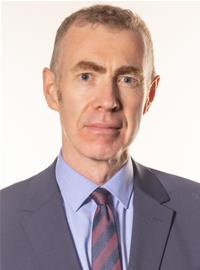
Adam Price
Tenures
- Fifth Senedd Sir Gaerfyrddin Plaid Cymru
- Sixth Senedd Sir Gaerfyrddin Plaid Cymru
- Seventh Senedd Sir Gaerfyrddin Plaid Cymru
Ministerial roles
- Cabinet Minister for Enterprise, Connectivity and Energy Y Gweinidog Cabinet dros Fenter, Cysylltedd ac Ynni
Contributions, by sitting day
148 contributions on record, newest first. Official verbatim record.
25
Open this sitting on the stage
1. Questions to the Cabinet Minister for Enterprise, Connectivity and Energy cy
Rydw i wedi trafod Twf Swyddi Cymru+ gyda'r Dirprwy Weinidog, gan gynnwys y pwysau y mae darparwyr yn ei reoli wrth iddyn nhw ymateb i'r galw parhaus am gymorth.
Official English translation
I have discussed Jobs Growth Wales+ with the Deputy Minister, including the pressures that some providers are managing as they respond to continued demand for support.
1. Questions to the Cabinet Minister for Enterprise, Connectivity and Energy en
I am grateful to the Member for her question, and, as I said just now, I have, obviously, had discussions already with Cabinet colleagues to see what more can be done within the resources that we have. I think it is certainly the case that we are seeing not just in Wales, but across the UK, a huge issue in terms of the labour market. It has, obviously, led to the Milburn review, and I agree, actually, with Alan Milburn that working on the supply side, working on employability support programmes, is not going to be enough to deal with the scale of the problem, because the problem is really on the demand side largely. That's where we also need to focus, and I think that, really, the scale of the problem means that we do need a scale of intervention on a similar level to the one that we saw back in 1997—the New Deal for the unemployed. So, we are looking forward to the final report of the Milburn review. We hope that the UK Government will inject the level of investment that is needed not just in Wales, but across the UK, to address the problem that young people and others are facing because of the nature of the labour market need at the moment.
1. Questions to the Cabinet Minister for Enterprise, Connectivity and Energy en
The Deputy Minister has been very clear in his view that apprenticeships are absolutely central to enabling young people to achieve their potential and also for us to drive the kind of economic development that we want to see across every sector and across every community. We'll certainly very much welcome those ideas and take them up in discussion with the Deputy Minister in the context of the work that is already ongoing through the skills audit and following the skills summit a few weeks ago.
1. Questions to the Cabinet Minister for Enterprise, Connectivity and Energy en
Where I agree with the Member is that the existing interventions in Wales were not working, and the actual outcomes were worse. As a result of that, we have commissioned, as a Government, work by Professor Melanie Jones, one of the leading figures in labour market economics, to understand, 'Well, let's look across the world at what does work in order to inform our own use of the policy levers that we do have.' But I should say that the consensus view, which is emerging through the work of the Milburn review and economists that are looking at this, is that the supply-side approach, which is basically saying, 'There's an unemployed person here and if we can make them employable, then they can get into the labour market', the increasing consensus view is that that's incorrect, largely. The problem is on the demand side. The jobs are not being generated to a sufficient degree to actually create those job opportunities, and there are particular structural problems in terms of entry-level jobs. That's why I think sector-led approaches, the likes of which we've begun to see, haven't we, in recent weeks and months—the retail sector, the construction sector, coming forward and making commitments to create those entry-level jobs—those kind of approaches are likely to have a better effect. The opportunity for us in Wales is to work with sectors—and we've just heard some specific examples in an earlier question as well—to provide those entry-level jobs, and, yes, make sure that our training skills system is working with employers for real job opportunities that are going to be created.
1. Questions to the Cabinet Minister for Enterprise, Connectivity and Energy cy
Mae'r Dirprwy Weinidog a minnau'n trafod yn rheolaidd sut y gall sgiliau, cymorth cyflogadwyedd a phrentisiaethau arfogi pobl ifanc ledled Cymru i lwyddo mewn economi sy'n newid yn gyflym. Roedd y materion hyn yn nodwedd o'n huwchgynhadledd sgiliau'r dyfodol hynod lwyddiannus yn gynharach y mis hwn ac maen nhw’n ganolog i'm cenhadaeth cynhyrchiant.
Official English translation
The Deputy Minister and I regularly discuss how skills, employability support and apprenticeships can equip young people across Wales to succeed in a rapidly changing economy. These issues were a feature of our highly successful future skills summit earlier this month and are central to my productivity mission.
1. Questions to the Cabinet Minister for Enterprise, Connectivity and Energy en
I am grateful to the Member for her question. I think that, certainly, we acknowledge the importance of programmes like Jobs Growth Wales. We've committed to continuing that next year, even, as I said, as we begin the work of understanding what more we can do and what we can do differently, because, even though these programmes have made a contribution, they have not solved the problem; the problem has got worse. And so, we need to find out what is missing, what additional can we do. As I was saying, I think the growing view among those who work in and analyse this field is that we need to work more on the demand side to generate the jobs, and also we need to have a place-based approach. So, I think you're absolutely right to focus on the specific needs, which will be different in Blaenau Gwent to other places. The opportunities will be different. The employers that we can work with to create particular sectoral opportunities will be different. So, it's that combination not just of the existing approaches, but blending them with new interventions that are demand led and placed based. That's the way, in a holistic fashion, I think that we can provide a durable and comprehensive solution that will deliver hope to young people and to communities across Wales.
1. Questions to the Cabinet Minister for Enterprise, Connectivity and Energy en
I'm really grateful to the Member for an absolutely vitally important question, which I think is at the forefront of all of our minds at the moment, isn't it? I think it's certainly true that AI is one of the factors that is driving this unique level of disruption that is going on in the labour market. I think that it is a complex picture, and it's fair to say that the evidence is still emerging. We were discussing this at the jobs summit, and we need to have a better understanding and better data. So, there is a live data set that actually looks at what is happening in the American labour market. Month by month, we can see what's happening, and we can see that, particularly, it's young people that are being disrupted most in terms of higher levels of unemployment. We can even be more specific: it's 22 to 25-year-olds who are facing a 20 per cent higher level of unemployment than was previously the case. Now, we need to get that kind of data here and we need to understand how this is playing out across different sectors and across different geographies. That work is ongoing, and I hope to be able to update Senedd Members more in this regard because I think it's one of the central challenges that we're facing at the moment.
1. Questions to the Cabinet Minister for Enterprise, Connectivity and Energy en
Clearly, this was very disappointing news to hear and, obviously, very worrying for the workers and their families involved. I've met with Admiral, and, indeed, with Legal & General as well, to see what we could do—first of all to understand what we could do in the context of those that are at risk of losing their jobs, and we obviously stand ready to do what we can in that regard, but also to understand more about the reasons for these decisions and what we could do, working with these companies and with their sectors, to create additional jobs as well. Now, Admiral have, in that conversation, confirmed to us that they are going to retain their Cardiff and Swansea offices. In my conversation with Legal & General—and, indeed, with Admiral as well—we did talk about what are the growth opportunities, where we as a Government can work with the companies and with the sectors in order to identify growth possibilities, because we retain important strengths in these sectors, and it's important not to lose sight of that, despite this obviously disappointing news.
1. Questions to the Cabinet Minister for Enterprise, Connectivity and Energy en
Look, the real opportunity for us—. If you want to talk about energy off our shores, the real opportunity for us in Wales, it's in our floating offshore wind sector, it's in our tidal stream and tidal lagoon industries. That's where the real opportunity, in terms of jobs, is. So, let's focus there, because there are important messages where it would be useful if we could speak with one voice to urge the UK Government, for example, to realise the strategic value of marine energy, of floating offshore wind, of tidal. We have some unique geographic assets. No, they don't involve fossil fuels, but they are definitely sectors of the future that not only will be important in energy terms, but, if we get this right, will create massive supply chain opportunities to build out manufacturing at our ports in Port Talbot and in ports across the whole of Wales. So, let's focus there, where the real opportunity is for Wales, rather than be distracted by issues and questions that are not our responsibility and won't directly benefit us.
1. Questions to the Cabinet Minister for Enterprise, Connectivity and Energy en
How this is relevant to these particular questions—. But, look, this is an attempt, once again, to use this platform to sow division. Speak to the shop workers' union—there's a very real issue in terms of the abuse that they face. Meet with the unions and understand the proposals that they are bringing forward to actually make a difference to those workers' lives, not constantly use this place as a platform just to play politics and sow division and hate.
1. Questions to the Cabinet Minister for Enterprise, Connectivity and Energy en
What I think that we've said is that we are bringing forward a general policy framework around data centres. I will leave it to the planning Minister to address the planning dimension of that. Technology changes all the time, and I think that, because of the number of dimensions involved in relation to data centres—their potential contribution to the economy, but also the need to make sure that legitimate questions around land use, around the use of water and the use of energy are addressed properly—it is sensible for us to have a framework, as most other countries are doing at the moment, to ensure that we maximise the benefits and the opportunities, but also mitigate against any potential downside were a framework of that nature not put in place.
1. Questions to the Cabinet Minister for Enterprise, Connectivity and Energy en
I totally accept the premise of the question, that this is vitally important for social and economic reasons. Of course, it's fundamentally a UK Government responsibility, and so one of the things that we absolutely need to do is to get them to deliver faster on the promises that they've made through Project Gigabit and others. In every infrastructure investment that the UK Government makes, it's always us in Wales that are at the wrong end of a very long line. And it shouldn't be the case, actually, because digital infrastructure, by its very nature, has the capacity to actually limit the costs of distance. But, unfortunately, the way that decisions have been made in the UK, it has had the opposite effect. We will do what we can within our resources to make up for the deficiencies of the decisions made by the UK Government. We will obviously put every pressure that we can to make sure that they live up to their responsibilities.
1. Questions to the Cabinet Minister for Enterprise, Connectivity and Energy en
Well, as I said, we will first of all hold the UK Government and the relevant stakeholders to the commitments that they have made. Where it's possible, within the resources that we have, and within the levers that we have, we will do everything that we can to mitigate any of the deficiencies from the lack of investment that flows from the UK Government. I've met with some of the key companies in the sector to see in which ways we can work smarter, develop innovative solutions, in order to make sure that no community or no individual, as far as is possible, is digitally left behind. But we do need the UK Government to put that investment in that was promised.
1. Questions to the Cabinet Minister for Enterprise, Connectivity and Energy cy
Mae swyddogion Llywodraeth Cymru yn cynnal cyfarfodydd rheolaidd gyda National Grid Electricity Transmission. Mae gwaith gosod ffwrnais arc drydan Tata Steel UK yn fater masnachol. Fodd bynnag, rydyn ni’n codi'r mater fel y bo'n briodol.
Official English translation
Welsh Government officials hold regular meetings with National Grid Electricity Transmission. Tata Steel UK’s electric arc furnace installation is a commercial matter. However, we do raise the matter as appropriate.
1. Questions to the Cabinet Minister for Enterprise, Connectivity and Energy en
Yes, I'm very grateful to the Member for his supplementary question. I met with Tata Steel UK's chief executive officer, Rajesh Nair, and the steel unions at Tata's Port Talbot site on 24 September to receive a further update on developments. We focused on a whole range of matters, including the issues around connectivity to the grid, which is at the heart of his question, but there were other matters as well around UK Government trade quotas and the effect that that was having on the domestic steel market. Following that meeting, I did meet with the UK Government's Minister for Reindustrialisation, Blair McDougall, together with the Secretary of State for Wales to discuss some of the matters that were raised. So, we are constantly engaging with the company, with the unions and also with the UK Government to ensure that Wales does—. I absolutely agree with him about the tragedy, really, of the loss of the blast furnaces, but we now need to make sure that we maximise the opportunity represented by the electric arc furnace. It will be the first or second-largest electric arc furnace anywhere in the world. There is the prospect for us to be producing more than 50 per cent of UK domestic steel capacity at a time when the UK Government has said that it wants to increase the level of domestic procurement. So, there is an opportunity there that is massive. We need to stay focused, I absolutely agree, in order to seize that opportunity.
1. Questions to the Cabinet Minister for Enterprise, Connectivity and Energy en
I think I will have to leave it to the company to share any information it would like to put in the public domain in relation to the current state of play. This is obviously market sensitive information. You can appreciate that it's most appropriate that that comes from the company, and I'm sure that they would want to allow the workforce to hear that information first. But I think that one of the positive things that I'm sure that Tata Steel would not in any way have a problem with me sharing was the very positive experience that they had with Neath Port Talbot Council. We often hear, don't we, in the context of economic development, concerns around planning delay. Well, the message that I very clearly heard from the company was that they were incredibly impressed by the way in which the planning officers of Neath Port Talbot Council had really worked at an incredible pace and shown some innovation in how to manage that process. And there may be wider lessons that can be shared with other major projects across Wales. And we talked a little bit about how we could share that best practice. As a result of this experience as well, we are very conscious of the importance of focusing in a very granular fashion on major developments and what that means for the grid. And we are, as I said, in discussion with National Grid Electricity Transmission and other relevant stakeholders to make sure that we learn from this experience and make sure that we identify areas where we can make progress in terms of the grid connection and its important role in our economy.
1. Questions to the Cabinet Minister for Enterprise, Connectivity and Energy cy
Mae'r rhaglen lywodraethu yn nodi'r ystod o fesurau y byddwn ni'n eu cymryd i wella cyfleoedd a chanlyniadau economaidd ar gyfer pob rhan o Gymru. Mae hyn yn cynnwys y genhadaeth genedlaethol ar gynhyrchiant, gan gefnogi busnesau bach a'r stryd fawr i ffynnu a sicrhau bod gan Gymru y sgiliau sydd eu hangen arni ar gyfer y dyfodol.
Official English translation
The programme for government sets out the range of measures that we will take to improve economic opportunities and outcomes for every part of Wales. This includes the national productivity mission, supporting small businesses and high streets to thrive and ensuring Wales has the skills it needs for the future.
1. Questions to the Cabinet Minister for Enterprise, Connectivity and Energy cy
Diolch yn fawr iawn i'r Aelod am y cwestiwn atodol. Mae'r cwestiwn yma yn greiddiol i'n strategaeth economaidd ni. Mi oeddwn i, y bore yma, wedi cwrdd, am y tro cyntaf, gyda'r panel sydd yn ein cynorthwyo ni i ddylunio'r asiantaeth ddatblygu, ac un o'r themâu roeddwn i wedi'u pwysleisio oedd yr angen i sicrhau ein bod ni'n cynhyrchu swyddi da ym mhobman. Dŷn ni ddim eisiau gweld sefyllfa lle mae Cymru yn efelychu yr hyn rŷn ni wedi gweld o ran datblygiad anwastad y Deyrnas Unedig, lle mae ffyniant ond yn cronni mewn un cornel o'n gwlad. Rŷn ni eisiau i dde-ddwyrain Cymru ffynnu, rŷn ni eisiau i ogledd-ddwyrain Cymru ffynnu, ac rŷn ni'n falch iawn o'r llwyddiant sydd yn digwydd yno, ond rŷn ni eisiau i hynny gael ei ledu drwy'r Cymoedd, drwy Flaenau'r Cymoedd, i'r gorllewin, mewn i Gymru wledig, i'r gogledd-orllewin. Mae'n rhaid codi Cymru oll i fyny, a dyna'r ffordd rŷn fel Llywodraeth am weithredu, a dyna'r nod a'r genhadaeth rŷn ni wedi'u rhoi yn barod i'r asiantaeth ddatblygu newydd.
Official English translation
I thank the Member for that supplementary question. This question is at the heart of our economic strategy. This morning, I met, for the first time, with the panel assisting us to design the new development agency, and one of the themes that I emphasised was the need to ensure that we do generate good jobs everywhere. We don't want to see a situation where Wales emulates what we've seen in terms of the uneven development across the United Kingdom, where prosperity only accrues in one corner of our nation. We want the south-east of Wales to prosper, we want the north-east of Wales to prosper, and we are very proud of the success that there has been there, but we also want that to permeate through the Valleys, the Heads of the Valleys, into the west, into rural Wales, and into the north-west of Wales. We must raise up the whole of Wales, and that is how we as a Government intend to operate, and that is the aim and the mission that we have already given to the new development agency.
1. Questions to the Cabinet Minister for Enterprise, Connectivity and Energy en
I think that's a really important question, and Governments, of course, at one level, have to create the broad conditions of economic success, but we also have to work in a very, very focused way, in the near term, which is about job creation in businesses. Ultimately, Governments can help create those conditions, but it's not Governments that regenerate communities; it's communities and businesses within them that regenerate communities and create those jobs. So, certainly, in looking at the role of inward investment, for example, I think it's critical that we think about the way in which we can make sure that there are opportunities for foreign direct investment in every part of Wales. And, interestingly, in a conversation I had with one of the leading firms in the compound semiconductor cluster, they brought many of their suppliers into Wales, they wanted to be close to the cluster, but those companies said, 'We don't want to be in Newport. We don't need to be in Newport. We want to be in the northern Valleys. We think that's a better fit for us. The skills are there. There are advantages for us.' And there are, of course, fantastic transport links. So, there are unique assets, both people based and also physical assets, that can be leveraged in every community. And we need to be thinking in that granular way to identify opportunities that fit, community by community, across Wales.
1. Questions to the Cabinet Minister for Enterprise, Connectivity and Energy cy
Rydyn ni'n benderfynol bod mwy o fusnesau yng Nghymru yn elwa ar gaffael cyhoeddus. Mae Busnes Cymru yn darparu cyngor wedi'i deilwra, tra bod Deddf Caffael 2023 yn ei gwneud hi'n ofynnol i awdurdodau, mewn caffaeliadau a gwmpesir, ystyried rhwystrau sy'n wynebu busnesau ac a ellir rhannu contractau yn lotiau priodol. Rydyn ni hefyd yn datblygu opsiynau polisi i gryfhau'r cymorth ymhellach.
Official English translation
We are determined that more Welsh businesses benefit from public procurement. Business Wales provides tailored advice, while the Procurement Act 2023 requires authorities, in covered procurements, to consider barriers facing businesses and whether contracts can appropriately be divided into lots. We are also developing policy options to strengthen support further.
1. Questions to the Cabinet Minister for Enterprise, Connectivity and Energy en
Yes, absolutely. The formal responsibility is with the finance Minister, but with this, it is very critically, as the Member says, a massive economic driver. It's one of the key tools of industrial policy, actually, public procurement. So, beyond the target, how are we going to achieve it then, getting up to that 70 per cent? We will be setting this out in more detail very shortly. But part of it is working through, as I said, the way in which procurement contracts are structured. So, traditionally, large-scale construction contracts, for example, tend to go to companies the other side of the border because of the scale and the risk involved. Well, just breaking those contracts up into smaller lots, it sounds very simple, but it has a huge impact, and it allows then companies, financially and practically, to get—. The same companies that often end up delivering the project anyway, but now you're taking out a tier and keeping all of that value in Wales. I think that part of it is also about training companies up, companies that possibly have not been involved in larger scale procurement exercises and might have some fear or inhibition about doing so, so working with them in a different context. I'm going to a procurement exercise in north Wales in relation to the Wylfa project. It's the same kind of approach: how to get Welsh SMEs, many of which have never thought of putting themselves forward, just to understand, 'Look, there's nothing to be worried about; it's a process. You've got the skills, you've got the capacity, you can deliver the product, in many cases at lower cost; you've just got to have the confidence to put your name forward.'
1. Questions to the Cabinet Minister for Enterprise, Connectivity and Energy cy
Rydym ni wedi ymrwymo i sicrhau bod cymorth i'r sector amddiffyn yn cael ei ystyried mewn ffordd amserol a chymesur. Tra bod y fframwaith buddsoddi moesegol mewn amddiffyn yn cael ei ddatblygu, mae trefniadau interim ar waith i alluogi penderfyniadau brys i gael eu gwneud pan fo angen.
Official English translation
We are committed to ensuring that support for the defence sector is considered in a timely and proportionate way. Whilst the defence ethical investment framework is being developed, interim arrangements are in place to enable urgent decisions to be taken where required.
1. Questions to the Cabinet Minister for Enterprise, Connectivity and Energy en
I'm grateful to the Member, not least for giving an example of the very phenomenon that I was referring to in response to a colleague earlier, that these high-tech companies can find very, very successful bases in all parts of Wales, including in the northern Valleys. We are committed to doing whatever we can in every sector, but in this sector as well, to support the creation of high-tech jobs. Where decisions are time critical, as I've said on a number of occasions, we've created a route for those decisions to be made exceptionally, before the framework is published and shared with the Senedd.
1. Questions to the Cabinet Minister for Enterprise, Connectivity and Energy cy
Rydyn ni’n gweithio ar draws y Llywodraeth a chyda gwasanaethau cyhoeddus, busnesau a phartneriaid i gefnogi'r broses o fabwysiadu AI yn ddiogel, yn dryloyw ac yn atebol. Mae hyn yn cynnwys cryfhau sgiliau, caffael cyfrifol, technoleg Gymraeg a'r sylfeini digidol ehangach sydd eu hangen i sicrhau bod AI yn darparu gwerth cyhoeddus ac o fudd i gymunedau ledled Cymru.
Official English translation
We are working across Government and with public services, businesses and partners to support the safe, transparent and accountable adoption of AI. This includes strengthening skills, responsible procurement, Welsh language technology and the wider digital foundations needed to ensure AI delivers public value and benefits communities across Wales.
1. Questions to the Cabinet Minister for Enterprise, Connectivity and Energy en
The Member raises a really important point. AI must be adopted, in our view, in a way that is fair, transparent and doesn't deepen inequalities. Our approach is rooted in social partnership. Guidance, which has been developed with trade unions and public sector employees, puts worker voice, fair work and human oversight at the heart of workplace AI. We're drawing up a national AI governance framework to provide clear guardrails around accountability, transparency, fairness and risk, and we're still working out, as I said earlier, what the full impacts are on overall employment. We recognise, though, that AI is changing the skills employers need, and the concerns that I referenced earlier in terms of entry-level roles and traditional routes into work. That's why we're working with employers, with trade unions, with education providers, first of all to understand how AI is changing recruitment, training and workplace learning, while investing, crucially, in digital and AI skills through personal learning accounts and our AI skills pilot.
10
Open this sitting on the stage
-
Diolch yn fawr, Ddirprwy Lywydd. Hoffwn i roi'r wybodaeth ddiweddaraf i'r Aelodau ynghylch y gwaith o ddatblygu strategaeth ynni genedlaethol i Gymru. Mae ynni yn hanfodol i fywyd modern. Mae'r newid i system ynni carbon isel yn ganolog i'n huchelgais i gyrraedd sero net erbyn 2040, gan wynebu'r argyfyngau hinsawdd a natur gyda'n gilydd wrth gryfhau ein diogelwch ynni, gwella cynhyrchiant a chreu manteision parhaol i Gymru. Mae ein huchelgais yn mynd y tu hwnt i gynhyrchu mwy o ynni. Mae angen i ni ddeall anghenion ynni'r presennol a'r dyfodol yng Nghymru a lle mae angen seilwaith, gan sicrhau'r defnydd gorau o'r hyn sydd gennym ni a sut y gellir cadw gwerth a grëwyd gan ein tir, gwynt, dŵr a moroedd mewn ffordd fwy teg i bobl a chymunedau Cymru. Asedau cenedlaethol yw adnoddau naturiol Cymru. Dylid cadw'r gwerth maen nhw'n ei greu fwyfwy yng Nghymru a'i ddefnyddio i gefnogi cymunedau a busnesau Cymreig a chenedlaethau’r dyfodol. Bydd y strategaeth yn darparu llwybr clir i gyflawni ein polisïau, a fydd, unwaith y cânt eu gosod, yn darparu mwy o sicrwydd i ddatblygwyr a chymunedau, gan nodi sut rŷn ni’n bwriadu cyflwyno system ynni sy’n lân, yn cael ei berchnogi yng Nghymru ac yn fwy fforddiadwy. Felly, bydd y strategaeth yn cael ei harwain gan weledigaeth i gyflwyno system ynni sy’n cydbwyso ac yn cyflawni ein hamcanion ar gyfer hinsawdd a natur, yn cadw gwerth yng Nghymru, ac yn fwy fforddiadwy a gwydn. Bydd ynni adnewyddadwy yn hollbwysig wrth i Gymru newid y mathau o ynni mae’n eu defnyddio, gan gynnwys technolegau arloesol fel ynni ffrwd llanw a morlynnoedd llanw. Ni all system ynni ddibynnu ar ynni anwadal yn unig. Mae arnom ni angen cynhyrchu ynni gwynt, ynni solar ac ynni morol sy’n cael eu hatgyfnerthu gan storio ynni, rhwydweithiau cryfach a chapasiti cadarn, carbon isel sydd ar gael yn ôl yr angen. Rhaid inni leihau dibynnu ar danwydd ffosil heb fesurau dal a storio carbon ynghlwm, wrth gynnal diogelwch cyflenwadau, gan gynnwys drwy dargedu rolau penodol ar gyfer storio a dal carbon, hydrogen carbon isel a bioynni lle maen nhw’n gwneud cyfraniad pendant a pharhaus. Yn ei hanfod, mae'r strategaeth hon yn ymwneud ag adeiladu system ynni sy'n fwy glân, mwy fforddiadwy ac yn cael ei pherchnogi fwyfwy gan Gymru—system ynni all yrru adnewyddiad economaidd, cefnogi adfer natur a chadw mwy o'r gwerth a grëir gan adnoddau Cymreig gan bobl Cymru. Bydd y seilwaith sydd ei angen ar gyfer y trawsnewid hwn yn arwain at newid, gan gynnwys effaith na ellir ei hosgoi bob amser. Ein cyfrifoldeb ni yw gwneud penderfyniadau ar sail tystiolaeth gadarn, yn unol â Deddf Llesiant Cenedlaethau’r Dyfodol (Cymru) 2015. Bydd ein strategaeth ynni genedlaethol newydd yn sefydlu cyfeiriad strategol ar ynni ar gyfer y Llywodraeth hon, gan nodi’n glir beth all Cymru ei gyflawni’n uniongyrchol, gyda fframwaith cyflawni ynni cenedlaethol yn darparu’r cyfeiriad hwnnw mewn rhaglen waith fanylach. Bydd yn nodi’r camau sydd eu hangen i gefnogi ein hamcanion ar gynhyrchiant a chyflawni ein cyllidebau carbon. Byddwn hefyd yn gwneud ein gofynion yn glir i Lywodraeth y Deyrnas Unedig, Ofgem, Gweithredwr y System Ynni Genedlaethol—NESO—ac eraill os yw’r penderfyniadau y tu hwnt i’n rheolaeth uniongyrchol ni. Mae yna raglen sylweddol o waith eisoes ar y gweill. Pwrpas y strategaeth yw gosod cyfeiriad clir ar gyfer y gwaith hwnnw, a sicrhau ei fod yn cyflawni blaenoriaethau'r Llywodraeth hon. Byddwn yn ymgysylltu ac yn ymgynghori wrth i bolisi gael ei ddatblygu. Rŷm ni'n cynnig ffordd ymlaen sydd wedi ei seilio ar dystiolaeth a gweledigaeth realistig i gynyddu’r defnydd cyfrifol o dechnolegau ynni carbon isel cynaliadwy. Bydd y dull ar sail cynllun yn ein helpu ni i osgoi effeithiau ar gynefinoedd unigryw nad oes modd eu creu eto a thir amaethyddol o ansawdd uchel, lleihau effeithiau ar safleoedd gwarchodedig a nodi cyfleoedd i brojectau ynni gefnogi adfer natur. I gefnogi hyn, bwriadwn ni newid y targed presennol, gan gyflwyno targed ynni sy’n seiliedig ar allyriadau. Bydd y targed diwygiedig hwn yn golygu na fydd ynni’n cael ei drin fel polisi trydan adnewyddadwy yn unig, neu fel polisi hinsawdd yn unig, a’i fod wedi’i osod o fewn gweledigaeth system gyfan. Bydd hyn yn darparu mesur mwy cyflawn o gynnydd tuag at ein cyllidebau carbon ac yn adlewyrchu’n well rôl ynni wrth ddatgarboneiddio adeiladau, gwres, trafnidiaeth a diwydiant. Yn ogystal â hyn, byddwn yn diwygio ein targed perchnogaeth leol fel ei fod yn cefnogi ein huchelgais i gadw mwy o’r gwerth wrth newid y mathau o ynni rŷn ni’n eu defnyddio yng Nghymru. Ni ddylid trin ynni fel mater hinsawdd yn unig. Mae’n seilwaith economaidd hanfodol ac yn ganolog i’n hamcanion i wella cynhyrchiant a hyrwyddo ailddiwydiannu yng Nghymru. Nid yw ein nod yn syml i ddatgarboneiddio’r economi, ond i ddefnyddio'r trawsnewid ynni i gryfhau sefyllfa gystadleuol Cymru, denu buddsoddiad, cefnogi diwydiannau strategol a chreu swyddi o ansawdd uchel. Dylid defnyddio ynni fel mantais gystadleuol i sicrhau bod busnesau Cymru'n ffynnu. Byddwn yn gosod camau gweithredu a fydd yn sicrhau ein bod yn cadw'r gwerth yng Nghymru. Gall system ynni garbon isel ddibynadwy roi hyder i fusnesau i fuddsoddi a thyfu, cefnogi ein sylfaen ddiwydiannol, denu buddsoddiad newydd a chreu cyflogaeth fedrus a hirdymor. Mae hynny'n golygu nodi prosiectau ynni strategol bwysig, cydgysylltu cyflenwadau â phrif ganolfannau galw a chlystyrau diwydiannol, a datblygu'r sgiliau a'r cadwyni cyflenwi sydd eu hangen i droi buddsoddi yn swyddi gwerth uchel a chymunedau cryfach. Mae'n rhaid datblygu ynni glân gyda phobl a chymunedau Cymru. Gall perchnogaeth leol gadw mwy o werth economaidd, cryfhau gwydnwch y gymuned a rhoi cyfran ystyrlon i bobl wrth drawsnewid. Nid cynnal seilwaith newydd yn unig y dylai cymunedau. Dylen nhw gael cyfleoedd gwirioneddol i siapio prosiectau a manteisio drwy berchnogaeth, buddsoddiadau, cyflogaeth a gwerth hirdymor i'r gymuned. Rydyn ni wedi dechrau casglu tystiolaeth ar berchenogaeth gymunedol drwy ein hymgynghoriad ar gynigion ar gyfer cwmni trydan cyhoeddus cenedlaethol sy’n eiddo i bobl Cymru, ac rŷn ni'n annog pobl Cymru, busnesau, sefydliadau cymunedol a phartïon eraill sydd â diddordeb i gymryd rhan yn hwn. Rydyn ni eisoes yn ystyried cyfleoedd eraill i ddatblygu’r polisi hwn o ran rhoi prosesau gorfodol ar waith, a byddwn yn ceisio tystiolaeth bellach ac yn ymgynghori ar faterion cysylltiedig unwaith y bydd gennyn ni eglurder ar dargedau. Byddwn yn cyhoeddi strategaeth ynni genedlaethol lefel uchel yn ystod mis Tachwedd. Bydd yn cael ei datblygu ochr yn ochr â chynllunio strategol gan Weithredwr y System Ynni Cenedlaethol—NESO—a bydd y dystiolaeth a blaenoriaethau Cymru yn ganolog iddi. Bydd cyflawni hyn yn gofyn am gydweithredu ar draws y Llywodraeth. Mae penderfyniadau am dai, trafnidiaeth, cynllunio, yr economi, amaethyddiaeth a diwydiant i gyd yn effeithio ar y galw am ynni yn y dyfodol, a bydd y strategaeth yn cysylltu’r penderfyniadau hynny yn hytrach na’u trin ar wahân. Mae’r trawsnewid yr ydym yn ei wynebu yn sylweddol, ond mae’r cyfle yr un mor sylweddol. Bydd strategaeth ynni genedlaethol yn darparu'r cyfeiriad a'r ddisgyblaeth sydd eu hangen i greu system ynni glanach a mwy diogel sy’n cefnogi cynhyrchiant, diwydiant cynaliadwy a swyddi da. Mae ein nod yn glir: ynni glân, fforddiadwy o dan berchnogaeth Cymru, sy’n cael ei ddarparu’n gyfrifol ac yn cael ei ddatblygu gyda phobl a chymunedau Cymru. Edrychaf ymlaen at weithio gyda’r Aelodau, cymunedau, diwydiant a phartneriaid ledled Cymru wrth inni symud y gwaith hwn yn ei flaen.
Official English translation
Thank you very much, Dirprwy Lywydd. I'd like to give an update to Members on the Government’s work on developing a national energy strategy for Wales. Energy is fundamental to modern life. The transition to a low-carbon energy system is central to our ambition to reach net zero by 2040, facing the climate and natural emergencies together while strengthening our energy security, improving productivity and creating lasting benefits for Wales. Our ambition goes beyond generating more energy. We need to understand Wales's current and future energy needs, as well as where infrastructure is required, ensuring the best use of what we have and how the value created by our land, wind, water and seas can be retained more fairly by the people and communities of Wales. Wales's natural resources are national assets. The value they create should increasingly be retained in Wales and used to support Welsh communities, Welsh businesses and future generations. The strategy will provide a clear path to delivering on our policies, which, once in place, will provide more certainty to developers and communities, identifying how we plan to deliver an energy system that is clean, owned in Wales and is more affordable. Therefore, the strategy will be guided by an overarching vision to deliver an energy system that delivers on our climate and nature goals, retains value within Wales, and is more affordable and resilient. Renewable energy will be crucial as the sources of energy that Wales uses change, including innovative technologies such as tidal stream and tidal lagoons. An energy system cannot depend on variable generation alone. We need wind, solar and marine generation supported by storage of energy, stronger networks and firm, flexible, low-carbon capacity that is responsive to demand. We must reduce reliance on unabated fossil fuels without related carbon capture and storage, while maintaining security of supply, including through targeted roles for carbon capture and storage, low-carbon hydrogen and bioenergy, where they make a clear and sustained contribution. At its heart, this strategy is about building an energy system that is cleaner, more affordable and is increasingly owned in Wales and by Wales—an energy system that can drive economic renewal, support nature recovery and retention of more of the value created by Welsh resources for the people of Wales. The infrastructure required for the transition will lead to change, including impacts that cannot always be avoided. Our responsibility is to take decisions based on robust evidence, consistent with the Well-being of Future Generations (Wales) Act 2015. Our new national energy strategy will set the strategic direction for this Government's approach to energy, making clear what Wales can deliver and achieve directly, with a national energy delivery framework turning that direction into a more detailed programme of work. It will set out the actions needed to support our productivity mission and to meet our carbon budgets. We'll also make clear our asks of the UK Government, of Ofgem, of the National Energy System Operator and of others if decisions are outside our direct control. There is already a substantial programme of work under way. The purpose of the strategy is to provide a clear direction for that work and to ensure it delivers on this Government's priorities. We will be engaging and consulting as policy is developed. We propose an evidence-based and pragmatic view to increase the responsible deployment of sustainable low-carbon energy technologies. A plan-led approach will help us to avoid impacts on irreplaceable unique habitats and high-quality agricultural land, mitigate effects on protected sites and identify opportunities for energy projects to support nature recovery. To support this, we intend to replace and change the present target with an emissions-based energy target. This revised target will mean that energy ceases to be treated as renewable electricity policy solely, or as climate policy alone, and will instead be set within a whole-system vision. This will provide a more complete measure of progress towards our carbon budgets and will better reflect the role of energy in decarbonising buildings, heat networks, transport and industry. Alongside this, we will revise our local ownership target so that it supports our ambition to retain more value from the energy transition within Wales. Energy should not be treated solely as a climate issue. It is essential economic infrastructure and is central to our ambition to improve productivity and drive reindustrialisation in Wales. Our objective is not simply to decarbonise the economy, but to use the energy transition to strengthen Wales's competitive position, to attract investment, to support strategic industries and to create high-quality jobs. Energy should be used as a competitive advantage to ensure that Welsh businesses prosper. We'll be setting out actions that will ensure that we retain that value in Wales. A reliable and increasingly low-carbon energy system can give businesses confidence to invest and grow, can support our industrial base, as well as attracting new investment and creating skilled long-term employment. That means identifying strategically important energy projects, aligning provision with major demand centres and industrial clusters, and developing the skills and supply chains needed to turn investment into high-value jobs and stronger communities. Clean energy must be developed with and for the people and communities of Wales. Local and shared ownership can retain more economic value, strengthen community resilience and give people a meaningful stake in that transition. Communities should not simply host new infrastructure. They should have genuine opportunities to shape projects and benefit through ownership, through investment, through employment and through long-term community value. We've started the process of gathering evidence on community ownership through our consultation on proposals for a single national public energy company owned by the people of Wales, and we encourage the people of Wales, businesses, community organisations and other interested parties to take part in that consultation. We are already considering other opportunities on how to develop this policy in terms of mandating processes, and we will be seeking further evidence and consulting on such matters once we have clarity on the targets. We will publish a high-level national energy strategy during November. It will be developed alongside strategic planning by the National Energy System Operator, and will be grounded in Wales's priorities and evidence. Delivery will require collaboration across the Government. Decisions related to housing, transport, planning, the economy, agriculture and industry all affect future energy demand, and the strategy will connect those decisions rather than treating them separately. The transition facing us is substantial, but so too is the opportunity. The national energy strategy will provide the direction and the discipline needed to create a cleaner, more secure energy system that supports productivity, sustainable industry and good quality jobs. Our objective is clear: clean energy, owned by Wales and more affordable, delivered responsibly and developed with the people and communities of Wales. I look forward to working with Members, communities, the industry and partners across Wales as we take this work forward.
-
I'm grateful to the Member for his questions. I think that he focused much of them on the proposal to create a single Welsh public energy company. That wasn't the main focus of my statement today, but I have to disagree with him, based on the evidence that actually demonstrates that public ownership of energy companies across Europe is a major factor in lowering energy costs. And that's also true not just in terms of national public ownership, but we have evidence even in Wales, where community ownership leads to direct benefit, including lower energy costs. So, I think that we just disagree on that, but I would urge him to look at the evidence. I think that we have to build a mixed economy in energy, and part of that is certainly ensuring that we have higher ownership in Wales. We've learned from our history in the past, haven't we, where we had an energy system, where we had the natural resource, but we didn't derive the benefit from it. Let's actually not make that mistake again and build up greater Welsh ownership in all its forms, including public ownership. In relation to working across Government, I specifically mentioned housing and the need for a cross-Government approach. Absolutely, there is a need to have that holistic approach because energy touches so many different parts of Government function and responsibilities, and I can assure you that that will be at the heart of the Government's approach as a whole and indeed the national energy strategy. In terms of technologies, I think we shouldn't just build a mixed economy with an important element of public ownership, but we need to have a mixed technology approach as well. And certainly, he's right to point to the importance of offshore wind. I think this week, Project Erebus, the first wave of this great potential that we have in floating offshore wind, is holding its community and business stakeholder event. There's a real opportunity there for Welsh businesses to benefit from that first of many projects, a 100 MW project, which is really significant, happening this week. But also, there is another stakeholder event for businesses at Wylfa, being held on Thursday, which I will be attending. There's a very important opportunity there as well in terms of the supply chain for Welsh businesses. And certainly, at the heart of our work on the national energy strategy is working out what the likely possible contribution of different technologies is. Obviously, we will be basing that analysis on the decision that has already been made in relation to the contract for the three small modular reactors at Wylfa. That will be part of working out what possible contribution will be made in terms of energy generation and how that fits then with the likely energy demand that we are going to be seeing in the course of the period between now and 2040.
-
I'm very grateful to the Member for her questions. In relation to the shift in the target, the previous target by the previous administration was based around 100 per cent of the—a notional figure for Welsh consumption coming from renewable sources. The problem with it is that it ignored those emissions that were produced beyond that by fossil fuel sources. And so, you could hit the target and still have completely unabated fossil fuel generation, which there is in Wales. So, from a decarbonisation perspective, it didn't make any sense, because it didn't actually decarbonise the actual energy system in Wales. So, by aligning the climate and energy policy, it makes more sense to deliver the benefits of decarbonisation because you're actually looking at the emissions produced by the energy system in Wales. I would say as well, if you look, most objective observers would say that the policy of the previous administration was not successful. For almost a decade before the last Senedd election, there was very, very little development. You might think, 'Well, relatively speaking, that's—.' I'm quoting what industry observers have told me, all right? So, it wasn't successful in its own terms, is the point that I would make, certainly relative to developments elsewhere in Europe. In relation to undergrounding, I think that that wasn't the main focus of this statement. We'll have more to say about that, but we've consistently set out our position, and we will have more detail to share on that in due course. Where we do absolutely agree is on the need for a just transition. Certainly, social partnership is right at the centre of the emphasis, which was the common thread through everything I said, which is about local ownership, about things being done with communities, not to communities—you know, a just transition, absolutely. The key thing as well is that you don't want to do just transition, okay? Because an energy transition also needs to be a means by which we can get to grips with social inequality, where we can get to grips with poverty, and also use it as a driver for closing the prosperity gap for Wales. It can be a vehicle for all these other important policy goals. As well as its important role in delivering decarbonisation, what we are saying through the energy policy is it needs also to deliver on those wider social and economic objectives, and we are in agreement on that.
-
I'm grateful to the Member for her comments. I would say that we're absolutely in agreement about the central importance of affordability, and I've mentioned that at several points during my opening remarks. I think that we have to start from a position of clarity that many of the levers and tools that are relevant when it comes to energy costs do lie with the Westminster Government, and so that is a limitation about our ability to affect energy prices in the broadest sense. But I think it's important that we do recognise, as I've done throughout my remarks, that addressing this issue of affordability, addressing the issue of energy costs, needs to be central to any energy strategy. It's relevant, obviously, to households the length and breadth of Wales. You're absolutely right that it's a strange situation, isn't it, where we are energy exporters, we have a latent renewable energy potential of very, very significant scale, and yet at the moment, actually, the UK faces higher energy costs than most European countries, but within the UK as well we face some of the highest energy costs overall. We have to address that. We have to find ways of addressing that within the limitations that I describe. And so we have to, I think, look creatively at different solutions: turnkey solutions that can help us, for instance, with businesses and industrial users, as we have discussed at previous sessions, looking at private wire solutions, behind-the-meter solutions, combinations of storage and on-site generation, possibly in conjunction with the public energy company that we've described, as well as with other investors where that is relevant. So, let's look at that while recognising that some of those levers and tools are not in our hands. Many things that I've described are a means by which we can address that very question of affordability that you stressed as central to your contribution. In terms of carbon capture and storage, I did mention that as an important element, not least in the context of our industrial base in Wales. We have engaged with the UK Government and other UK stakeholders to emphasise the importance of carbon capture and storage in enabling us to decarbonise our industrial base, but also to address some of the issues in terms of economic and financial sustainability, as well as environmental sustainability as well. I specifically mentioned the importance of protecting productive agricultural land in the balanced approach that is at the heart of our planning approach in this context.
-
I very much concur with the points made by the Member. Building on my earlier remarks, I think what we need to do in order to leverage that potential competitive advantage that we have in Wales, because of the renewable energy sources, both existing and nascent technologies that we have—. I think that it's a combination of approaches, some of which I've already described, in terms of planning industrial infrastructure with energy infrastructure, private wire arrangements, power purchase agreements, which can be done at a more attractive rate than the wholesale energy market, smart energy systems, using storage and flexibility, and as part of that, as you suggest, using public and community ownership. Putting all of that together in a package, in the way that you describe, is the way that we actually address the energy costs problem that we have at the moment and flip it. We could get to a place where we build energy as a source of competitive advantage for Wales, rather than what it is at the moment, which is a source of competitive disadvantage for too many businesses and industrial users.
-
As I said in my earlier remarks, I think we have to recognise the fact that many of the levers and tools are not in our hands. That's not what we want, and we want to have more of those energy powers in our hands so that we can make a bigger difference to the people of Wales. But does the fact that we are constrained mean that we should do nothing? No, absolutely not. We've got to get creative here. The Member asks what can we do. The PPAs that I mentioned are one way in which, for instance, a publicly owned energy company can actually set its own price with a target community, with industrial users and business users. Offtake agreements are standard practice in energy. Sometimes sleeved agreements. So, even though you're sending the electrons into the national grid, you as a generator can have an agreement with a customer or set of customers. We've got to get creative here. Within the constraints that we have, we believe that we can find ways in which we can ensure that our energy generation, owned by the people of Wales in myriad different forms—local community ownership, Welsh private sector ownership and indeed Welsh public ownership—can mean that we are not left as victims, if you like, of decisions that are made by companies or indeed Government bodies elsewhere.
-
As I said earlier, the motivation for the shift to a holistic target hopefully is one that the Member would be in sympathy with. Because it was a perverse situation where we weren't actually recognising the fact that we could hit the target because it was based on this notional consumption, whereas our energy generation system was creating masses of fossil fuel-based-emissions through fossil fuel generation. That makes no sense in environmental terms. And so, what we're saying is we want to decarbonise the energy system. The other point to make is that we're adopting a holistic view, not just in the terms that I've just described, but also recognising the importance of looking at the entire energy system. Energy is also in the form of heating, isn't it? It's also in the form of how we power our transport system. So, it's not just decarbonising the electricity generation system, but also electrifying the entire energy system and doing it on a low-carbon basis, which allows us to hit our more ambitious net zero target of 2040.
-
I'm grateful to the Member for her question. The Welsh Government, as I've said many times, is committed to delivering its manifesto pledge on electricity distribution infrastructure at 132 kV and below. I've put that on the record many times. I will have more to say on this matter in the very near future. We welcome continued engagement with Members, communities, local authorities and other interested partners as part of that process. We remain committed to our very clear manifesto commitment and I'll have more to say in due course. We've tried to, in everything that we've done—. This is an update on a strategy that will be published shortly, and, when it's published, I look forward to further engagement. I'm trying, in quite a complex but really important area, to be open and continuously engaged with Members. I look forward to continuing with that engagement on this matter, as on every other aspect of the policy.
9. Legislative Consent Motion: The Cyber Security and Resilience (Network Information Systems) Bill cy
Mwy ohonof i, mae arnaf i ofn. Mae'n bleser gen i godi i symud y cynnig yn fy enw i, neu yn enw'r Llywodraeth. Mae'r cynnig yn argymell bod y Senedd yn cydsynio i'r darpariaethau perthnasol ym Mil Seiberddiogelwch a Seiberwydnwch (Systemau Rhwydwaith a Gwybodaeth) 2026, sydd wedi'u nodi yn y cynnig cydsyniad deddfwriaethol. Bydd y Bil yn gwneud seilwaith cenedlaethol allweddol yn fwy gwydn drwy ddiwygio Rheoliadau Systemau Rhwydwaith a Gwybodaeth 2018. Mae'n ehangu'r gofynion o ran adrodd ar ddigwyddiadau, yn cryfhau pwerau rheoleiddwyr o ran casglu gwybodaeth a gorfodi, ac yn sicrhau bod cyflenwyr hanfodol wedi'u cynnwys. Bydd y mesurau hyn yn helpu i ddiogelu gwasanaethau hanfodol, gan gynnwys trafnidiaeth, ynni, dŵr yfed, iechyd a seilwaith digidol rhag bygythiadau seiber sy'n dod yn fwy cyffredin a mwy cymhleth. Gweinidogion Cymru yw'r awdurdod cymwys sy'n gyfrifol am wasanaethau iechyd ac am gyflenwi a dosbarthu dŵr yfed yng Nghymru. Yn y sector dŵr, mae'r Arolygiaeth Dŵr Yfed yn gweithredu ar ein rhan. Felly, mae nifer o ddarpariaethau yn rhoi, dileu neu addasu swyddogaethau mewn meysydd datganoledig, a gallen nhw effeithio ar gwmnïau dŵr sy'n gweithredu yn gyfan gwbl neu'n bennaf yng Nghymru. Er bod llawer o'r Bil yn ymwneud â materion sy'n gyfrifoldeb i San Steffan, mae hefyd yn berthnasol i gyfrifoldebau datganoledig. Fyddai'r Senedd ddim yn gallu deddfu ar gyfer y Bil cyfan, ac mae Bil i'r Deyrnas Unedig gyfan yn cynnig y ffordd fwyaf rhesymegol o ddiogelu rhwydweithiau a gwasanaethau rhyngysylltiedig, a hefyd gydnabod cyfrifoldebau Gweinidogion a rheoleiddwyr Cymru. Mae swyddogion Llywodraeth Cymru wedi cydweithio'n agos â Llywodraeth y Deyrnas Unedig wrth i'r Bil ddatblygu. Rwy'n fodlon ei fod yn darparu mesurau diogelu priodol. Mae'r angen am ymateb effeithiol a chydlynol i fygythiadau seiber ledled y Deyrnas Unedig yn cyfiawnhau'r pwerau sydd wedi'u datganoli yn y Bil. Yn yr amgylchiadau eithriadol hyn, maen nhw'n gymesur ac yn gyson â'n hegwyddorion ar ddeddfwriaeth y Deyrnas Unedig mewn meysydd datganoledig. Rwy'n ddiolchgar i'r Pwyllgor Deddfwriaeth a Phwyllgor yr Economi, Ynni a Chysylltedd am eu gwaith craffu. Mae'r Pwyllgor Deddfwriaeth wedi cytuno â'n hasesiad o'r darpariaethau sy'n gofyn am gydsyniad, ond doedd Pwyllgor yr Economi, Ynni a Chysylltedd ddim wedi gallu dod i benderfyniad ar y cynnig. Rŷn ni wedi ymateb i'r ddau bwyllgor ac wedi nodi pam mae Llywodraeth Cymru bellach yn argymell cydsynio. Doedd y memorandwm cydsyniad deddfwriaethol ddim yn cynnwys argymhelliad ar gydsyniad oherwydd iddo gael ei osod yn fuan ar ôl ffurfio Llywodraeth newydd Cymru. Roedd angen amser i asesu polisi'r Llywodraeth, goblygiadau trawsbynciol y Bil, a'r ffordd o gymhwyso ein hegwyddorion wrth drafod deddfwriaeth y Deyrnas Unedig. Rwyf hefyd yn cydnabod nad oedd y memorandwm wedi'i osod o fewn pythefnos. Rŷn ni'n cydnabod yr anawsterau mae hyn yn eu hachosi o ran craffu, ac rŷn ni'n dal i fod wedi ymrwymo i gyflawni proses y memorandwm cydsyniad deddfwriaethol yn effeithlon. Mae Aelodau wedi mynegi pryderon am bwerau dirprwyedig, gan gynnwys y rhai sy'n ymwneud â chodau ymarfer ac adrodd. Rwy'n cytuno bod ymgynghori priodol a chraffu seneddol yn hanfodol. Mae Llywodraeth y Deyrnas Unedig wedi cyflwyno consesiynau mewn ymateb i bryderon a godwyd yn Nhŷ'r Arglwyddi. Byddwn ni'n asesu'r gwelliannau terfynol ac yn gosod memorandwm cydsyniad deddfwriaethol os oes angen. Bydd llawer o'r manylion ymarferol yn dilyn wrth weithredu'r Bil a thrwy is-ddeddfwriaeth, felly dyw hi ddim yn bosibl asesu'r holl gostau posib eto, gan gynnwys y rhai ar gyfer cwmnïau dŵr a'r Arolygiaeth Dŵr Yfed. Byddwn ni'n parhau i weithio gyda Llywodraeth y Deyrnas Unedig, rheoleiddwyr a sectorau perthnasol ac yn rhoi'r wybodaeth ddiweddaraf i'r Senedd. Byddwn ni'n parhau i oruchwylio maes iechyd drwy rôl statudol Gweinidogion Cymru fel awdurdod cymwys ac yn cefnogi gweithredwyr drwy uned seiberwydnwch NHS Cymru. Yn y sector dŵr, byddwn ni'n gweithio gyda'r Arolygiaeth Dŵr Yfed a chwmnïau dŵr wrth i'r gofynion ychwanegol gael eu datblygu. Lywydd, dyw ymosodiadau seiber ddim yn parchu ffiniau sefydliadol na daearyddol—na hyd yn oed y terfyn amser ar gyfer fy araith i [Chwerthin.] Ond, beth bynnag, am y rhesymau hynny, rwy'n argymell bod y Senedd yn cefnogi'r cynnig ac yn rhoi ei chydsyniad i'r darpariaethau perthnasol yn y Bil.
Official English translation
More from me, I'm afraid. It's a pleasure for me to rise to my feet to move the motion in my name, I believe, or in the name of the Government. The motion recommends that the Senedd consents to the relevant provisions in the Cyber Security and Resilience (Network and Information Systems) Bill 2026 as set out in the legislative consent motion. The Bill will make critical national infrastructure more resilient by amending the Network and Information Systems Regulations 2018. It broadens incident reporting requirements, strengthens regulators' information gathering and enforcement powers, and ensures that critical suppliers are brought within scope. These measures will help to protect essential services, including transport, energy, drinking water, health and digital infrastructure from a growing and increasingly complex cyber threat. The Welsh Ministers are the designated competent authority for health services and for drinking water supply and distribution in Wales. In the water sector, the Drinking Water Inspectorate acts on our behalf. Therefore, a number of provisions confer, remove or modify functions exercised in devolved areas and may affect water companies operating wholly or mainly in Wales. Although much of the Bill concerns matters that are reserved to Westminster, it also interacts with devolved responsibilities. The Senedd could not legislate for the Bill as a whole, and a UK-wide Bill offers the most coherent way to protect interconnected networks and services while recognising the responsibilities of Welsh Ministers and Welsh regulators. Welsh Government officials have engaged closely with the UK Government as the Bill has developed. I am satisfied that it provides appropriate safeguards. The need for an effective and coherent response to cyber threats across the United Kingdom justifies the powers that are delegated by the Bill. In these exceptional circumstances, these powers are proportionate and consistent with our principles on UK legislation in devolved areas. I'm grateful to the Legislation Committee and the Economy, Energy and Connectivity Committee for their scrutiny. The Legislation Committee has agreed with our assessment of the provisions requiring consent, but the Economy, Energy and Connectivity Committee was unable to reach a position on the motion. We have responded to both committees and have set out why the Welsh Government now recommends consent. The legislative consent memorandum did not include a recommendation on consent because it was laid shortly after the formation of the new Welsh Government. Time was needed to assess the Government's policies, the Bill's cross-cutting implications, and the application of our principles on UK legislation. I also acknowledge that the memorandum was not laid within the two-week deadline. We recognise the difficulties that this causes in terms of scrutiny, and we remain committed to the efficient discharge of the LCM process. Members have raised concerns about delegated powers, including those relating to codes of practice and reporting. I agree that proper consultation and parliamentary scrutiny are essential. The UK Government has brought forward concessions in response to concerns raised in the House of Lords. We will assess the final amendments and will lay a supplementary legislative consent memorandum if required. Much of the operational and practical detail will follow through implementation and through secondary legislation, so it is not yet possible to assess all potential costs, including those for water companies and the Drinking Water Inspectorate. We will continue to work with UK Government, regulators and affected sectors and will keep the Senedd informed. We will also continue to provide oversight with regard to health matters through the Welsh Ministers' statutory role as the competent authority and will support operators through the NHS Wales cyber resilience unit. In the water sector, we will work with the Drinking Water Inspectorate and water companies as the enhanced requirements are developed. Llywydd, cyber attacks do not respect institutional or geographical boundaries—or even the deadline for me to complete my contribution [Laughter.] But, for those reasons, I recommend that the Senedd supports the motion and gives its consent to the relevant provisions in the Bill.
9. Legislative Consent Motion: The Cyber Security and Resilience (Network Information Systems) Bill en
I'm very grateful for the committee's scrutiny, as I said. I have very limited time, and so I think that what I will undertake to do is to give a full response, setting out the rationale as to a number of issues that were raised and why we do think, in this instance, our recommendation is consistent with the principles in relation to delegated powers. There were very particular circumstances, which I referred to in my opening remarks, in relation to the timing of this LCM that meant that we weren't able to bring forward our position on consent earlier. I am grateful for the recognition that, at least in response to the committee, we were timely in that response, but I will undertake to give a fuller response to the committee and Senedd Members in relation to all the matters that were raised.
1
Open this sitting on the stage
-
Come on, this is a serious statement. All the people are watching this. Please, come on.
13
Open this sitting on the stage
-
It's disappointing to hear that Admiral and Legal & General are making redundancies that could impact the Welsh workforce, and today's announcement in relation to Greggs and its plans to shut factories and the proposals that may also impact manufacturing operations at its Treforest site in Wales are concerning, as is the news in relation to the reported closure of Subzero as well. Our priority in all of these cases is supporting workers who may be affected by these proposed redundancies. We're engaging directly with the companies and workforce representatives to ensure employees have access to the information, advice and employment support that they need.
-
Thank you to the Member. I'm meeting with Admiral UK Insurance's chief executive officer tomorrow and I'll be meeting with senior representatives of Legal & General, and we've also reached out to arrange meetings with the unions and workforce representatives. We don't know currently how these redundancies will be apportioned across the individual sites, and I'll be seeking clarity in both of those meetings on that subject with both companies. And we'll be, obviously, working with the companies to understand how they intend to support the affected workers, what we can do more generally to work with the companies and with the workforce to ensure that we continue to support their contribution to the Welsh economy and to the communities in which they're based. And we'll work constructively, obviously, with companies and unions and delivery partners once we know exactly what the position is in relation to the job losses and how we can most usefully help the workers concerned.
-
Yes, certainly. We hold right at the forefront of our minds the very difficult position that many employees and families will be in at the moment, and we will be doing everything that we can to support them in every way possible. And once we have a clearer picture in terms of the potential impact, then, obviously, we can both structure our response, but also share information appropriately with the Senedd. As I said, both these companies continue to be very important employers and we will also want to talk with them, both as individual companies, but also as representatives of important sectors, about how we can work positively with them to continue to sustain, maintain and, hopefully, grow their workforce in other areas of their activity. And once we have more information in relation to this, then, obviously, we'll share it with the Senedd.
-
Thank you to the Member for his question. Yes, Admiral have said, in their reported comments in this case, that these changes, these workforce reductions, are not AI related. They relate to other factors. I'm not aware that Legal and General either have made the connection with AI, but have referred to wider restructuring across the whole of the group. Nevertheless, obviously we as a Government are very conscious of the way in which artificial intelligence is both bringing opportunities—economic opportunities, for example—and driving the growth of our compound semiconductor cluster in Newport, and indeed across the wider region of south-east Wales, and are aware that there are risks as well, in terms of its impact upon particular sectors and particular categories of employment. We are monitoring, as a Government, the emerging evidence not just in Wales, but across the world, as to the interrelationship between artificial intelligence and the labour market, and particular sectors of it. I have had discussions only yesterday with other Ministers across Government about how we can best respond, both to maximise the opportunities that undoubtedly there are, but also the risks and challenges that come with the technology, and how we can prevent the downside while maintaining the opportunities that are available to us.
-
Yes, I think the Member makes a very, very important point, that these companies are such significant employers, of course, that they employ constituents right across the wider south Wales region. Certainly, once we are able to understand more of what the impact will be in relation to the workforce, then I will be keen to share that information, particularly with Members that have large numbers of constituents that were employed in both cases. It's important to reiterate that these companies, but also these sectors, are important elements in the economy. While we are keen to understand in more depth the reasons for these particular proposals, we want to work with the companies, and with the sectors involved, in order to grow valuable employment in these areas, and that will also form an important part of our engagement with the companies involved.
-
The escalation of the middle east conflict in early 2026 continues to impact on households and businesses in Wales. While the issue of fuel pricing is non-devolved, we are working closely with the UK Government and our various delivery bodies to provide advice and support to customers, and to respond to any inappropriate price rises.
-
I'm grateful to the Member for raising this very important issue, which, as I said earlier, has been an issue, sadly, since the beginning of the year, has at various times worsened, and we are going through a period of great concern, particularly in relation to the issue of diesel prices, as she suggests. Fuel pricing is reserved to Westminster, and there's an important role for the UK Government here, and also the Competition and Markets Authority. I have raised the issue of fuel resilience, pricing and UK Government support with the UK energy Minister at a recent inter-ministerial meeting. I've called for appropriate UK Government support in situations where prices are escalating, and that remains our fundamental position. We recognise the impact that road fuel price increases are having on household budgets, particularly, of course, when it's combined with the high cost of heating oil and the significant increases expected in the domestic energy price cap in January. The Welsh Government recognises also that the sustained high fuel costs have consequences right across the Welsh economy. She mentioned the haulage sector and my colleague the Deputy Minister for Transport meets regularly with the haulage sector, has already discussed this issue earlier this year, and will continue to monitor the impact on that particular sector. It isn't, of course, limited to that sector. I'm conscious as well of the impact on bus operators, and I know that the Deputy Minister for Transport is meeting bus operators imminently, again to understand the particular problems that are arising now from the spike that the Member refers to. Across the wider economy, of course, these increases, they raise operating costs, they raise distribution costs for all fuel-dependent sectors directly and indirectly. In all of our engagement, therefore, with the UK Government and other UK stakeholders, we will continue to raise these important matters, ensure that contingencies, where necessary, are put in place, and that the UK Government uses the full range of intervention tools and levers that they have—I'm particularly thinking now in the context of the budget—so that both businesses and hard-pressed households receive the support that is necessary at this difficult time.
-
I'm grateful to the Member for his question. We are certainly very aware of the pressures in relation to the haulage sector and, as I said, we are engaging with the sector to make sure that we can support in the way that we can, but also that we can, in our representations to the UK Government, set out a very clear picture of the need for further intervention where necessary. We're maintaining regular engagement with the UK's fuel sector representatives and our UK Government counterparts to monitor prices, and we've made consistently clear to the UK Government the impact of higher fuel costs, particularly the pressures faced by fuel-dependent sectors like haulage. Road fuel pricing, as I said, fuel duty and market regulation are all reserved matters, but we've made clear to the UK Government the impact of sustained high prices on Welsh households and businesses, and we will continue to press for effective action by the UK Government through the levers available to it. We also support monitoring, as I mentioned, by the Competition and Markets Authority and the Fuel Finder scheme to strengthen transparency and competition, and we expect reductions in wholesale costs to be passed on promptly and fully where they are available.
-
I met with Valero recently in Pembroke to have a wide-ranging discussion with them. They are an important employer in that region, and, indeed, through the supply chain, to Wales as a whole. They are one of only four remaining refineries across the UK, and they represent a critically important bit of critical national infrastructure. If we were not previously aware of that, we've certainly been made aware of that by the geopolitical insecurity of the last nine months. I certainly will speak with them. I'm sure they have been in regular touch with the UK Government in terms of the contingency planning that I've referred to, and we engage with the UK Government on that front as well. But I certainly will want to know what the latest position is. Of course, it's a complicated situation there, where they are also an important exporter to the US, and, actually, there would be a knock-on effect to US oil supplies. There are complicated reasons as to why that historically is true. So, it certainly is an important area, where we will be engaging with the UK Government and with Valero. In relation to the broader points that Janet Finch-Saunders made, I think it certainly is an important factor that there is geographic variation across the UK in terms of fuel prices. There is some limited recognition through the UK Government of that in certain areas, but not to rural areas of Wales. I think that now is an important time to revisit that question in terms of equity and to see not just what the UK Government could do in terms of fuel prices in general, where it does need to act at this particular time, but also to recognise the particular impact in rural communities, which face even higher fuel prices than the average. We will certainly take those points forward in our discussions with the UK Government as well.
7. Welsh Conservatives Debate: The defence sector cy
Yn ffurfiol, Lywydd.
Official English translation
Formally, Llywydd.
7. Welsh Conservatives Debate: The defence sector cy
Lywydd, diolch yn fawr. Rwy'n croesawu'r cyfle i ymateb i'r cynnig hwn, oherwydd mae'n rhoi cyfle i mi eto, yn dilyn y datganiad llafar y gwnes i'r wythnos diwethaf, i roi ar y record yr hyn sy'n greiddiol i safbwynt y Llywodraeth, sef bod Cymru bob amser wedi ceisio bod yn genedl sy'n cyfuno uchelgais economaidd—ar hyn mae yna gonsensws, rwy'n credu, yn ein plith ni—gyda chyfrifoldeb cymdeithasol. Ar y sail hynny, wrth gwrs, rŷn ni'n datblygu'r fframwaith buddsoddi amddiffyn moesegol, oherwydd nad ŷm ni'n gweld y ddau beth yma—llwyddiant economaidd a gwerthoedd moesegol—mewn tensiwn, mewn croesddywediad; a dweud y gwir, rŷn ni'n eu gweld nhw'n plethu gyda'i gilydd ac yn cefnogi'i gilydd. Dwi'n deall bod yna anibynniaeth barn ynglyn â rhai elfennau rŷn ni wedi eu trafod heno, ond mae yna gydnabyddiaeth eang, rwy'n credu, o ran pwysigrwydd y sector. Rŷn ni i gyd wedi bod yn dechrau dyfynnu'r un ffigurau, onid ŷm ni? Mae'n bwysig i nodi nid yn unig maint y sector ond y sector cysylltiedig, achos mae'n fwy na jest y sector amddiffyn craidd. Dwi'n cytuno gyda'r pwynt ehangach mae Shavanah Taj newydd ei wneud. Mae angen meddwl am ddiogelwch yn yr ystyr eang, gan gynnwys gwydnwch ein seilwaith, ac yn y blaen; mae hynny'n rhan o ddiogelwch, ac mae yna gyfleoedd economaidd pwysig i ni i'r cyfeiriad hynny hefyd. Ond mae'r sector amddiffyn a'r sector cysylltiedig—awyrofod ac yn y blaen—nid yn unig eisoes yn sylweddol, maen nhw ar gynnydd yn sylweddol. Mae'n gwelliant ni, sydd yn dangos y ffigurau mwyaf diweddar, yn cyferbynnu gyda'r ffigwr a oedd yn cael ei ddyfynnu yn y cynnig gwreiddiol, yn dangos hynny—dim ond mewn ychydig amser, blwyddyn, mae yna gynnydd sylweddol wedi bod o ran cyflogaeth. Mae'n bwysig i nodi hefyd mai un ffigwr sydd werth ei ddyfynnu yw'r canran o gaffael y weinyddiaeth amddiffyn y mae Cymru, ar hyn o bryd, yn ei gael—3.6 y cant. Wel, 5 y cant o'r boblogaeth sydd gyda ni, felly mae'n llai na'n cyfran ni o'r boblogaeth. O ran ein sector gweithgynhyrchu ni, oherwydd ei fod e'n fwy o gymharu gyda gweddill ein heconomi ni, mae gyda ni yng Nghymru rhywbeth fel 6.5 y cant o holl sector gweithgynhyrchu Prydain. Hynny yw, 3.6 y cant o'r caffael amddiffyn, a 6.5 y cant o weithgynhyrchu. Mae dros 6 y cant o aelodau'r lluoedd arfog yma, ac rŷn ni fel Llywodraeth yn hollol ymrwymedig i'r cyfamod o ran aelodau'r lluoedd arfog sydd yn gwasanaethu nawr ac sydd wedi gwneud yn y gorffennol. Rŷn ni'n cyfrannu mwy na'n siâr poblogaeth o ran aelodau'r lluoedd arfog, ac eto, dim ond 3.6 y cant o'r gyllideb gaffael. Mae yna annhegwch sylfaenol yn fanna, sydd yn cael ei adlewyrchu mewn rhannau eraill o gaffael ar draws y Deyrnas Gyfunol o ran defnydd o arian y sector cyhoeddus. Mae yn rhywbeth, rwy'n credu, sydd yn ein huno ni, sef y dylai fod Cymru yn cael chwarae teg ac y dylai fod cwmnïau o Gymru yn cael chwarae teg o ran y cyfleon yma. Pam? Oherwydd mae'r sectorau hyn yn creu swyddi uchel eu gwerth: cyflog uchel, maen nhw'n cynnal cadwyni helaeth, yn creu cyfleoedd i bobl ledled Cymru i ddatblygu eu sgiliau uwch ac i gael gyrfa gwerth chweil. Mae gennym ni'r sylfaen gweithgynhyrchu yma, wrth gwrs: awyrofod, electroneg, seiberddiogelwch ac yn y blaen. Felly, rŷn ni mewn sefyllfa lle mae yna gyfleon. Mae yna botensial yna, a rŷn ni yn sicr eisiau sicrhau ein bod ni'n gwireddu'r potensial hynny. Wrth gwrs, mae'n bwysig nodi, gallwn ni ddim fel cenedl anwybyddu'r newidiadau i'r dirwedd geowleidyddol ar draws Ewrop a thu hwnt. Mae llywodraethau yn ystyried sut mae bod yn fwy gwydn a diogel a sut i gryfhau eu diwydiannau. A bydd angen i Gymru allu elwa ar y cyfleon economaidd a ddaw o fuddsoddi mwy yn y cyd-destun yma, ond gan gadw'r un pryd yn driw i'n gwerthoedd ni a'n cyfrifoldebau. A dyna lle mae yna rywfaint o anghytundeb rhyngom ni. Roedd yna gyfeiriad at y cytundeb twf amddiffyn. Mae hwn yn gyfraniad tuag at greu mwy o gyfleon i gwmnïau yng Nghymru. Bydd yn rhoi Cymru mewn sefyllfa i allu gwneud y gorau o'r cyfleoedd a ddaw ym meysydd gweithgynhyrchu, uwch-dechnolegau digidol, gallu seiber, systemau ymreolaethol ac arloesi dau ddiben. Ac wrth gwrs, bydd sgiliau yn hanfodol, fel rŷn ni wedi clywed, i'n llwyddiant yn y dyfodol. Dŷn ni, fel Llywodraeth, wrth gwrs, yn ymrwymedig i ddeall yr anghenion sgiliau yn gyffredinol. Dyna pam ŷn ni'n mynd trwy'r broses o'r archwiliad sgiliau cenedlaethol, ond mae e'n berthnasol yng nghyd-destun amddiffyn hefyd.
Official English translation
Thank you very much, Llywydd. I welcome the opportunity to respond to this motion, because it gives me an opportunity once again, following the oral statement I made last week, to place on the record what's at the heart of this Government's view, namely that Wales has always sought to be a nation that combines economic ambition—and I think there is consensus on that there—with social responsibility. On that basis, of course, we are developing the ethical defence investment framework, because we don't see these two things—economic ambition and ethical values—as being contrary to each other; we see them dovetailing together and supporting each other. I understand that there is a difference of opinion on some of the elements we've discussed this evening, but there is broad recognition on the importance of the sector. We've all been quoting the same figures, haven't we? What's important is not just the size of the sector but also the related sectors, because it's more than just the core defence sector. I agree with the broader point that Shavanah Taj has just made. We need to think about security in that broader sense, including the resilience of our infrastructure and so on; that is part of security, and there are important economic opportunities for us in that direction too. But the defence sector and related sectors—aerospace and so on—are not only important employers, but they are also growing significantly. Our amendment, which sets out the most recent figures, which contradict the figures in the original motion, shows that—in just a short period of time, just 12 months, there has been a significant increase in terms of employment in the sector. It's important to note also that one figure that is worth quoting is the percentage of MOD procurement that Wales gets at the moment—3.6 per cent. We have 5 per cent of the population, so it's less than the percentage share of the population. In terms of our manufacturing sector, because it is larger as compared to the rest of the economy, we in Wales have something like 6.5 per cent of the whole manufacturing sector of the UK. So, 3.6 per cent of defence procurement and 6.5 per cent of manufacturing. Over 6 per cent of members of the armed forces are here, and we as a Government are entirely committed to the armed forces covenant for those who are serving now, and for our veterans We have contributed more than our population share to the armed forces, and yet only 3.6 per cent of the procurement budget is coming to Wales. So, there is a fundamental unfairness there, which is reflected in other parts of public procurement across the UK in terms of the use of public money. I think it is something that unites us, namely that Wales should get fair play and that companies from Wales should have their fair share of those opportunities. Why? Well, because these sectors do create high-value employment: high salaries, they maintain wide supply chains and give people across Wales the opportunity to develop higher level skills and to have worthwhile careers. We do have the manufacturing base here, of course: aerospace, electronics, cyber security, and so on. So, we are in a position where there are opportunities. There is potential there, and we certainly want to ensure that we deliver that potential. Of course, it's important to note that we as a nation can't ignore changes to the geopolitical map across Europe and beyond. Governments are considering how they can be more resilient and safe and how to strengthen their industries. And Wales will need to be able to take advantage of those economic opportunities that will come from greater investment in that context, whilst also remaining true to our own values and responsibilities. And I think that is where there is perhaps some disagreement between us. There was reference to the defence growth plan. That is a contribution towards creating more opportunities for companies in Wales. That will place Wales in a position to make the most of the opportunities that will come in manufacturing, advanced digital technologies, cyber capability, autonomous systems and dual-use innovation. And of course, skills will be crucial, as we have heard, to our future success. We as a Government, of course, are committed to understanding the skills needs more generally. That's why we're going through the national skills audit, but it is pertinent in the context of defence too.
7. Welsh Conservatives Debate: The defence sector en
Yes.
7. Welsh Conservatives Debate: The defence sector cy
Diolch. Wel, fe wnes i ateb y cwestiynau yna i gyd yn y datganiad llafar wythnos diwethaf. Fe wnaethom ni ddweud ein bod ni'n mynd i gyhoeddi'r fframwaith yn yr hydref—[Torri ar draws.] Do. Mae'n cael ei ddatblygu, fel y dywedais i'r wythnos diwethaf, gan Lywodraeth Cymru mewn ymgysylltiad â'r sector amddiffyn—un o'ch cwestiynau chi—a gyda rhanddeiliaid eraill. Dyw e ddim yn golygu peidio â chefnogi'r sector; mae'n ymwneud â rhoi eglurder a sicrwydd a fframwaith clir, tryloyw. Fel y dywedais i'r wythnos diwethaf, mae'n unol â'r hyn sy'n digwydd ar draws y byd gyda llywodraethau. Roedd arweinydd y grŵp Llafur wedi cyfeirio at yr Alban. Mae gan yr Alban fframwaith moesegol ar gyfer y sector amddiffyn. Mae gan Lywodraeth Gogledd Iwerddon fframwaith moesegol ar gyfer y sector. Mae gan Lywodraeth y Deyrnas Gyfunol, fel y clywom ni gan Aelod o Reform, fframwaith. Ni oedd yr unig Lywodraeth yn y Deyrnas Gyfunol a oedd heb fframwaith. Rŷn ni'n gwneud yn iawn am hynny fel bod gennym ni fframwaith clir, fel ein bod ni, ie, yn gallu sicrhau bod cwmnïau o Gymru yn elwa ar y cyfleon sydd yna, ond ar sail gadarn sydd yn gyson â'r gwerthoedd sydd mor bwysig o ran ein democratiaeth ni yma yng Nghymru.
Official English translation
Thanks. Well, I answered all of those questions in the oral statement I made last week. We said that we would publish the framework in the autumn—[Interruption.] I did. It's being developed, as I said just last week, by the Welsh Government in engagement with the defence sector—which was one of your questions—and with other stakeholders too. It doesn't mean that we won't be supporting the sector; it relates to providing clarity and assurance and a clear, transparent framework. As I said last week, it aligns with what is happening globally with governments. The leader of the Labour group made reference to Scotland. Scotland has an ethical framework for the defence sector. The Northern Ireland Government has an ethical framework for the sector. The UK Government, as we heard from a Reform Member, has a framework. We were the only Government in the UK that didn't have a framework. We are putting that right so that we have a clear framework, so that, yes, we can ensure that Welsh companies benefit from the opportunities that exist, but on a firm foundation that is consistent with the values that are so important to our democracy here in Wales.
20
Open this sitting on the stage
1. Questions to the Cabinet Minister for Enterprise, Connectivity and Energy en
The Welsh Government’s national energy strategy will take a whole-systems approach, replacing the previous renewable electricity generation target with an emissions-based energy target. This will help identify where action delivers the greatest contribution to our ambition of achieving net zero by 2040.
1. Questions to the Cabinet Minister for Enterprise, Connectivity and Energy en
I just would point out to the Member that I think the context is key here, isn't it? So, the situation in Wales where we have unique assets—latent potential in many cases in terms of green energy—is that, actually, green energy is the means for our reindustrialisation, not our deindustrialisation. I'm specifically referring to, for example, our globally significant potential in terms of floating offshore wind, and the well-known, unique natural advantages we have in terms of tidal technologies, for example. We could, therefore, not just generate the electricity through those technologies, but also capture the supply chain and build up a manufacturing base on that level. In relation to his point about nuclear, I would just point out that, actually, the move towards an emissions-based target includes not just renewable sectors, but also other low-carbon technologies that include nuclear, alongside carbon capture and storage.
1. Questions to the Cabinet Minister for Enterprise, Connectivity and Energy cy
Rwy'n ddiolchgar i'r Aelod am ei gwestiwn. Mae yna nifer o elfennau yn fanna, ond, wrth gwrs, mae popeth yn gysylltiedig ar ddiwedd y dydd, onid ydy? Gyda'r strategaeth ynni genedlaethol, wrth gwrs, un o'r elfennau mawr fydd gosod mas y gwahanol gyfraniadau fydd yn cael eu gwneud fesul technoleg, a wedyn, wrth gwrs, ar lefel gofodol—so, bydd hwnna’n elfen—a gosod mas beth mae’r gwahanol elfennau yn cyfrannu. Mae’r penderfyniad gyda Gwyndod, i bob pwrpas, wedi’i wneud, a dyna’r sail y mae’r holl randdeiliaid ynni ar draws Prydain nawr yn cynllunio arni. Felly, mae’r elfen yna, wrth gwrs, yn gorfod bod yn rhan ohono fe, ond, yn sicr, rŷn ni’n derbyn bod cyfraniad gydag ynni gwyrdd ar y tir, ac mae yna oblygiadau wedyn o ran sicrhau bod y seilwaith o ran cysylltiadau grid yno i helpu hynny i ddigwydd yn y ffordd fwyaf effeithlon o ran ein systemau ni, a hefyd o ran ein economi, gan, wrth gwrs, gydnabod bod yna angen gydag unrhyw fframwaith cynllunio i gael y balans yn iawn o ran y llais a'r buddiannau cymunedol hefyd.
Official English translation
I'm grateful to the Member for his question. There are a number of elements to that question, but, of course, everything is connected at the end of the day, isn't it? With the national energy strategy, one of the major elements will be setting out the different contributions that will be made by each form of technology, and then, of course, at a spatial level—so, that's one aspect—and setting out what the different elements will contribute. The decision with regard to Gwyndod, to all intents and purposes, has already been made, and that's the basis on which all of the energy stakeholders across Britain are planning. That element has to be a part of the mix, but, certainly, we do accept that there is a contribution to be made by onshore green energy, and there are implications in terms of ensuring that the infrastructure with regard to grid connection is there to facilitate that to happen in the most efficient way with regard to our systems and our economy, recognising, of course, that there is a need in any planning framework to strike the right balance in terms of the interests and voice of the community.
1. Questions to the Cabinet Minister for Enterprise, Connectivity and Energy en
I'm grateful to the Member for her question, and she is absolutely right, of course, that our national energy strategy will be looking particularly at those technologies where Wales is well placed, in terms of its natural assets, in the way that I described, to develop. But we need to be mindful, of course, of nascent technologies, which are at different stages of maturity at any point. So, this area never stands still, and we need to be building the capacity for Wales to be a test bed for some of those technologies that are on the horizon as well. In relation to grid infrastructure, can I take the opportunity as well to say—I should be able to recite this without looking at my notes—that we are clearly committed to delivering our manifesto commitment in relation to the distribution network of 132 kV and below, which is in favour of undergrounding, with only exceptions in terms of overhead, through low wooden poles, or other similar, equally unintrusive infrastructure?
1. Questions to the Cabinet Minister for Enterprise, Connectivity and Energy en
I'm really grateful to the Member, not just for writing to me, as she's described, but also for raising this subject here in the Siambr, which gives me an opportunity to address some of the issues that are relevant to this area. As she's aware, we have commissioned work that is ongoing in this area. It's important to acknowledge that with the huge growth of data centres, related digital infrastructure and the wider context, of course, of AI, edge computing and related technologies, we do need to have a robust policy framework that is futureproofed and that also recognises the need to enable us to have the advantages that can flow from the investments that are happening in digital infrastructure across the world but to do so in a way that balances those with the legitimate concerns that people have at a community level and more broadly in terms of energy use, in terms of water, in terms of land use et cetera. So, we will be setting this out as soon as we can so that we can have that discussion across the Siambr and more widely across civil society in Wales.
1. Questions to the Cabinet Minister for Enterprise, Connectivity and Energy en
I'm grateful to the Member for that question as well. We were wondering whether we could do a little bit of choreography. But I think that the key here, and obviously we're aware of that specific opportunity, is we're keen to see investment in our railway infrastructure the length and breadth of Wales, including in Cardiff. The one thing that we need, and maybe we can work together on this, is to turn that £14 billion promise that, you know—. The promise was very welcome, but what we need now is to turn that into an action plan with budgetary commitments and a timetable. And then we'll not only be able to deliver Cardiff parkway and wider investment across Cardiff and south-east Wales, but the length and breadth of Wales. So, let's work together on that.
1. Questions to the Cabinet Minister for Enterprise, Connectivity and Energy en
I'm grateful; thank you for your birthday wishes. In relation to the specifics on GCRE, there were some specific questions, and, if the Member is happy, I would prefer to take those back so we can ensure that, whatever information we can, we provide accurately, because I don't have all of that at my fingertips here. But what I can say is that we as a Government reviewed the situation, we commissioned specialist advice in terms of where we are now, as the First Minister was saying, in terms of the opportunity. We've received that specialist advice, and we are now in the process of reviewing and discussing with other potential investors what the potential is. There is an incredibly important employment site here, and we're looking both at the Global Centre of Rail Excellence option, but looking at it in the round as well.
1. Questions to the Cabinet Minister for Enterprise, Connectivity and Energy en
Thank you for that further question in this area. There's not much, really, I can add usefully at this stage. I'm sure the Member will be mindful of the fact that we need to actually drill down into the detail, look at the potential interest that has been expressed by an investor, and then make a decision in the full possession of all of that information that delivers the best public value that we can, both in economic and employment terms, in a very, very important region of Wales, which is deserving of our support to the full extent that is possible. And once we have that information, we will make a decision and we will bring that decision, of course, back to the Siambr.
1. Questions to the Cabinet Minister for Enterprise, Connectivity and Energy cy
Bydd ein strategaeth ynni genedlaethol yn cydnabod rôl hanfodol ynni cymunedol wrth gyflawni sero net. Bydd cwmni ynni cyhoeddus Cymru yn helpu i gyflawni’r uchelgais honno, gan gynyddu nifer y prosiectau ynni cymunedol, gosod systemau ynni adnewyddadwy a chyfleusterau storio a'u defnyddio i ddarparu pŵer a gwres am gost is i bobl.
Official English translation
Our national energy strategy will recognise the vital role of community energy in achieving net zero. The Welsh public energy company will help unlock that ambition, scaling up the number of community energy projects, installing renewables and storage and using them to provide lower cost power and heat to people.
1. Questions to the Cabinet Minister for Enterprise, Connectivity and Energy cy
Dwi'n ddiolchgar i'r Aelod am y cwestiwn atodol. Rydych chi'n mynd, dwi'n credu, at hanfod egwyddorion ein polisi economaidd, hynny yw, fod datblygiadau o ran ein heconomi ni neu o ran ein system ynni ni yn gorfod cael eu cynllunio er budd pobl Cymru. Rydyn ni wedi gweld yn ein gorffennol fel cenedl, wrth gwrs, y gwrthwyneb yn digwydd, a datblygiadau'n digwydd ar draul buddiannau pobl leol. Dydyn ni ddim yn barod i weld yr un camgymeriad yn digwydd eto. Felly, dyna pam rydyn ni'n rhoi pwyslais ar ynni cymunedol. Rydyn ni'n rhoi ymrwymiad o ran sicrhau isafswm, o leiaf, mewn prosiectau mawr o ran perchnogaeth leol, ac yn y cyd-destun penodol y gwnaethoch chi gyfeirio ato fe o ran canolfannau data, os caf i ategu'r hyn a ddywedais i'n gynharach, mi fyddwn ni fel Llywodraeth yn dod â fframwaith polisi gerbron sy'n mynd i'r afael â'r ofnau digon dealladwy ar draws Cymru lle mae yna argymhellion o ran canolfannau data sydd ddim yn rhoi'r priod ystyriaeth i fuddiannau pobl leol na'r amgylchedd lleol.
Official English translation
I'm grateful to the Member for that supplementary question. I think that you get to the core of the principles of our economic policy, namely that developments in terms of our economy or our energy system have to be planned for the benefit of the people of Wales. We have seen in our past as a nation, of course, the opposite of that happening, and developments taking place at the expense of local interests. We're not willing to see the same mistakes being made again. So, that's why we put an emphasis on community energy. We have made a commitment in terms of ensuring a minimum, at least, in terms of the local ownership of major projects, and in the particular context you referred to in terms of data centres, if I could echo what I said earlier, we as a Government will be bringing a policy framework forward that will address the quite understandable fears that exist across Wales where there are recommendations made in terms of data centres that don't give due consideration to the interests of local people or the local environment.
1. Questions to the Cabinet Minister for Enterprise, Connectivity and Energy en
I'm grateful to the Member for his question. As I said a moment ago, I think that building, financing and facilitating community energy that is 100 per cent community owned is an important element of our policy. For larger schemes, we have said that we are committed to mandating a minimum level of community ownership of those schemes. I would say, more broadly, as well, a key principle of our national energy strategy will be taking an approach that I would characterise as more planned in relation to the spatial development of energy, rather than what we've had previously, which is, essentially, a market-led approach, which has led to concerns in communities, legitimate questions, like whether cumulative impact is properly being addressed. So, I think, by taking a planned approach, and getting the balance right between the necessity for decarbonising our energy system, recognising the range of technologies, including onshore renewables and their role in that, but giving confidence to communities as well that this is being done in a planned way, with them, and is not being imposed upon them with little benefit accruing to communities and to the people of Wales.
1. Questions to the Cabinet Minister for Enterprise, Connectivity and Energy en
Improving economic outcomes in Ceredigion Penfro means backing local businesses, strengthening rural economies, and creating better paid jobs. We're delivering our commitment to support Welsh firms, align skills with employer needs, invest in infrastructure and procurement, and ensure communities across west Wales share in economic growth.
1. Questions to the Cabinet Minister for Enterprise, Connectivity and Energy en
I'm grateful to the Member for his question. I think I set it out clearly yesterday that we, obviously, are working at pace on the framework. The framework, actually, is a solid foundation for us to work with the sector in Wales, and we'll be working with companies in the sector as part of the process of developing it. Where there are decisions that—. We are trying—. Obviously, where it's possible to defer, partly out of respect for this Senedd, really—. But where it's not possible, in situations where decisions, for practical reasons, have to be made before the framework is finalised, we have allowed that exceptional flexibility, partly for the reasons that the Member describes, that we do not want to lose opportunities in cases that, actually, would be well within the framework. So, we have that flexibility, and I can assure him, as the economy Minister, I will be mindful of the need to use that flexibility where necessary.
1. Questions to the Cabinet Minister for Enterprise, Connectivity and Energy en
We are determined that the communities hosting energy developments are genuine beneficiaries. The national energy strategy will identify the clean energy that Wales needs and how more of this can be owned through minimum community ownership requirements and investment from the new Welsh public energy company.
1. Questions to the Cabinet Minister for Enterprise, Connectivity and Energy en
I'm really grateful for the question—part of an emerging theme this afternoon. It's such an important opportunity for us nationally and locally to make sure that we create an energy system where we benefit from the energy resources that we have. We can do that at different scales; we can do it through the Welsh public energy company at a larger scale, publicly owned, delivering benefit across the whole of Wales, for the people of Wales; we can do it through supporting community ownership, of which there are some good examples in the Member's constituency already. One of the reasons for doing that is precisely to get to grips with the energy costs problem that we face. Wales has some of the highest energy costs relatively compared to other parts of the UK. The UK has some of the highest energy costs in Europe. There's good evidence that community ownership actually is a means by which you can begin to deliver lower costs to households. And similarly, a publicly owned energy company, which is free not to follow the market price in energy, but to say, 'Let's actually engage in contracts with large-scale industrial users in Wales to create a Welsh energy advantage using our renewable energy resources, but for the benefit of our economy', that's precisely why we're creating a Welsh public energy company, and we're supporting public ownership and local ownership in a variety of ways at different scales.
1. Questions to the Cabinet Minister for Enterprise, Connectivity and Energy en
I'm really grateful to the Member for his question. He's absolutely right: I think that private-wire, behind-the-meter opportunities are actually one of the ways in which we can do what I just described, really, which is to create that energy advantage, particularly in the context of businesses. Because it can be done, there is a means to do it, but we've got to get organised to see where we can build that out at scale to facilitate businesses, because if they can avoid the network costs—. Although there's been some movement from the UK Government on network costs to large industrial users, by and large, there's still a huge network cost element. If we can devise different ways, it could be on-site microgeneration in some circumstances; in larger scales, there could be local energy systems, which are behind the wire, which could actually provide low-cost energy for a wide range of businesses. There's some work we've got to do with some of the stakeholders in order to ensure that the arrangement that you just described in terms of connection, maybe with the grid, can be part of it. So, we're working on it. It's absolutely one of the areas where, if we work smart, we could build that Welsh energy advantage, which will be such a critical determinant of our economic success.
1. Questions to the Cabinet Minister for Enterprise, Connectivity and Energy en
The Development Bank of Wales continues to deliver finance and investment support to businesses across Wales. The bank has reported strong performance during the year and remains a key economic development partner. Its 2025-26 annual report will be published later this month, setting out its full performance and economic impact.
1. Questions to the Cabinet Minister for Enterprise, Connectivity and Energy en
I intend to issue the bank's remit letter in the coming weeks, which will set out clear priorities for the bank, supporting this Government's ambitions for investment, productivity and growth. That's a standard approach that every Government uses. There's nothing to see there. It's how every Government relates to arm's-length bodies, setting out the way in which the arm's-length body can deliver to the wider ambitions of the Government, particularly in the economic sphere. Of course, we would expect the ethical framework that we are setting out in the defence sector to be cross-Government. It's there to govern the use of public money, including by the development bank, and it will also govern the development agency. Again, it's fairly normal. There are policies around fair work, for example. You would expect these to be reflected across the whole range of agencies. I was at the launch of the development bank's Economic Intelligence Wales 'Productivity Heroes' report, and there's fantastic news here; let's remind ourselves of that. Over 1,700 high-growth firms are delivering higher productivity, higher employment and higher profits for those businesses so that they can continue to reinvest in their future trajectory of growth. I recognise scrutiny is an important part of our work here, but also let's not lose the opportunity to celebrate Welsh economic success. Because there are great things happening in Wales, and some of it is down to the work of the development bank.
1. Questions to the Cabinet Minister for Enterprise, Connectivity and Energy cy
Mae Llywodraeth Cymru yn cydweithio'n agos gyda Great British Energy—Nuclear a Rolls-Royce SMR i sicrhau'r manteision mwyaf posibl i'r gymuned leol o Gwyndod. Rydym yn cefnogi busnesau Cymru i ddefnyddio cyfleoedd y gadwyn gyflenwi ac yn gweithio gyda phartneriaid addysg i alluogi pobl leol i ddatblygu'r sgiliau sydd eu hangen ar gyfer y prosiect.
Official English translation
The Welsh Government is working closely with Great British Energy—Nuclear and Rolls-Royce SMR to maximise local benefits from Gwyndod. We are helping Welsh businesses to access supply chain opportunities and working with education partners to enable local people to develop the required skills that will be required for the project.
1. Questions to the Cabinet Minister for Enterprise, Connectivity and Energy cy
Yn sicr, mae hwn yn gyfle euraid o ran economi Cymru gyfan, a hefyd yn rhanbarthol ac yn lleol. Rydym ni eisiau gwneud y mwyaf o'r cyfle hwnnw ar draws yr amrediad o ddimensiynau o ran sgiliau. Mae'r Sefydliad Dysgu a Gwaith wedi cael ei gomisiynu i wneud archwiliad sgiliau cenedlaethol ar gyfer Cymru. Yn y cyd-destun yma, mae GBE-N wedi cael ei wahodd i gyfrannu at y galw am dystiolaeth, fel y gall gyfynion y gweithlu penodol ar gyfer Gwyndod fod yn ganolog i'r strategaeth a ddaw yn ei sgil. Mae canolfan sgiliau niwclear Cymru a grŵp llywio wedi'u sefydlu i ddod â diwydiant, Llywodraeth Cymru, llywodraeth leol, darparwyr a chymunedau ynghyd o amgylch dull cydlynol, i sicrhau bod gyda ni y system sydd ei hangen er mwyn sicrhau bod pobl leol yn cael y mwyaf o'r cyfle sydd yno. O ran y gadwyn gyflenwi ar gyfer busnesau lleol, bydd swyddogion Llywodraeth Cymru yn chwarae rôl ganolog mewn digwyddiad cyflenwyr Gwyndod—mae'n falch gen i geisio hysbysu hynny yn fwy eang—a fydd yn digwydd dros ddau ddiwrnod yng Ngholeg Menai yn Llangefni ar 22 a 23 Hydref, ochr yn ochr â GBE-N a Rolls-Royce SMR. Felly, mae yna lot mwy yn digwydd, ond dyma ryw fraslun o'r hyn sy'n bosib. Mae'n enghraifft arall, gan fod y penderfyniad wedi cael ei wneud, o sut mae Cymru yn bwysig nid yn unig o ran ynni adnewyddol—ac mae yna lot o gyfleoedd fanna yng ngogledd Cymru—ond ein bod ni hefyd yno ar ddechrau technoleg newydd o ran SMR ym Mhrydain, ac mae Cymru mewn safle arbennig o dda i elwa yn economaidd o hynny am genedlaethau i ddod.
Official English translation
Certainly, this is a golden opportunity in terms of the economy of the whole of Wales, and also regionally and locally. We want to maximise the benefits of that opportunity across the range of dimensions in terms of skills. The Learning and Work Institute has been commissioned to carry out a skills review for Wales. In this context, Great British Energy—Nuclear has been invited to contribute to the call for evidence, so that the needs of the specific workforce for Gwyndod can be at the heart of the strategy that will emerge. The nuclear skills centre and a working group has been drawn together to bring together industry, the Welsh Government, local government and community representatives around a co-ordinated approach, to ensure that we have the system that we need in place to ensure that local people can derive the maximum benefit from the opportunities available. In terms of the supply chain for local businesses, Welsh Government officials will be playing a central role in the Gwyndod suppliers event—and I'm pleased to publicise this more widely—that will be held over two days in Coleg Menai in Llangefni, on 22 and 23 October, alongside GBE-N and Rolls-Royce SMR. So, there is a great deal of work being done, but that's an overview of what's possible. It's another example, because the decision has already been made, of Wales's importance not just in terms of renewable energy—there are many opportunities in that regard in north Wales—but that we are also there at the beginning of this new technology of SMRs in the United Kingdom, and Wales is in a very good position to benefit economically from these for generations to come.
11
Open this sitting on the stage
-
Diolch, Lywydd. Heddiw rwy'n rhoi'r wybodaeth ddiweddaraf i'r Aelodau am waith Llywodraeth Cymru i ddatblygu fframwaith buddsoddi moesegol mewn amddiffyn i Gymru. Mae'r Llywodraeth hon wedi ymrwymo i drefn y gyfraith ryngwladol, i barchu hawliau dynol ac i gydsefyll gyda gwledydd eraill. Rydyn ni yr un mor bendant bod gan gymdeithasau democrataidd hawl gyfreithlon i amddiffyn eu hunain, a bod y sectorau amddiffyn, diogelwch a gwydnwch yn chwarae rhan bwysig wrth amddiffyn y rhyddid a'r gwerthoedd sy'n bwysig i ni. Mae'r byd yn mynd yn fwy ansicr. Rydyn ni'n gweld gwrthdaro parhaus, gan gynnwys yn Ewrop ei hun, ansefydlogrwydd byd-eang ehangach, a mwy o fygythiadau i ddiogelwch cenedlaethol. Mae gan Gymru sector awyrofod, amddiffyn a diogelwch sylweddol. Mae'r sector yn cefnogi miloedd o swyddi medrus iawn, yn cynnal cadwyni cyflenwi pwysig ac yn cyfrannu at ymchwil, arloesi a thwf economaidd. Mae diwydiannau fel seiberddiogelwch, lled-ddargludyddion, gweithgynhyrchu uwch ac awyrofod, systemau awtonomaidd a deallusrwydd artiffisial i gyd yn rhan o'r amgylchedd economaidd ehangach. Dylai busnesau a gweithwyr o Gymru allu elwa ar fuddsoddiad, arloesi a thwf, gan gynnwys o'r fargen twf amddiffyn.
Official English translation
Thank you, Llywydd. Today I'm updating Members on the Welsh Government's work to develop an ethical defence investment framework for Wales. This Government is committed to international solidarity, respect for human rights and the rule of international law. We are equally clear that democratic societies have a legitimate right to defend themselves and that the defence, security and resilience sectors play an important role in protecting the freedoms and values that we hold dear. The world is becoming more uncertain. We are seeing ongoing conflict, including within Europe itself, as well as wider geopolitical instability and increased threats to national security. Wales has a significant aerospace, defence and security sector. The sector supports thousands of highly skilled jobs, sustains important supply chains and contributes to research, innovation and economic growth. Industries such as cyber security, semiconductors, aerospace and advanced manufacturing, autonomous systems and artificial intelligence are all part of the wider economic environment. Welsh businesses and workers should be able to benefit from investment, innovation and growth, including from the defence growth deal.
-
However, public support for the sector cannot be unconditional. Where the Welsh Government provides support through grants, investment assistance, trade promotion or wider economic development activity, people in Wales rightly expect that support to reflect our values and responsibilities. It's important that we recognise legitimate ethical concerns while supporting a focus on high-quality jobs that the sector sustains in communities across all parts of Wales. It's therefore essential that Welsh Government support is guided by a clear and consistent ethical framework. While decisions on arms exports remain reserved to the UK Government, it is right that the Welsh Government is clear about the principles that guide our own engagement with the sector. We recognise the need for greater clarity in how these decisions are made. That is why we are developing an ethical defence investment framework for Wales. The purpose of the framework is not to exclude the defence sector from engagement with the Welsh Government, nor to duplicate UK export controls or licensing arrangements. Rather, it is to provide a consistent basis for Welsh Government decision making where devolved support is being considered. In developing the framework, officials are engaging with stakeholders and learning from approaches being taken elsewhere in the UK. The framework will recognise the legitimate role of the defence sector in supporting national security, democratic resilience and economic prosperity, while ensuring Welsh Government decisions are informed by appropriate ethical considerations, including respect for human rights and international humanitarian law. Our approach will be based on enhanced ethical due diligence. In practice, this means retaining the existing UK legal and regulatory framework while introducing additional ethical considerations to support Welsh Government decision making in the areas mentioned earlier. This will be a proportionate approach designed to provide greater transparency and assurance without creating unnecessary barriers for businesses operating responsibly, legally and in support of our economy and security. The framework will focus on activity taking place in Wales and on the specific projects, products, services or technologies seeking Welsh Government support. This will help ensure that decisions are informed by a clear understanding of the activity being supported, its intended purpose and, where appropriate, its known end users. We're also considering the introduction of a proportionate self-declaration process for businesses seeking particular forms of Welsh Government support. This will provide additional transparency and assurance while avoiding unnecessary burdens on businesses operating responsibly and within the law. This framework will also inform Welsh Government participation in defence-related trade missions, exhibitions and business-to-business events, helping ensure a consistent approach across relevant areas of activity. As part of this work, we will also consider how the framework can support innovation and dual-use technologies, recognising that many of the technologies driving economic growth, including cyber, artificial intelligence, semiconductors and advanced manufacturing, have both civilian and defence applications. Given the significance of this work, and to ensure a consistent approach, I have asked that, where legally and practically possible, any decisions relating to new Welsh Government investment support for defence sector activity are not finalised until the framework is published and implementation arrangements have been fully considered. Should a decision on Welsh Government support be required before publication of the framework, it will be taken by the Prif Weinidog, taking account of relevant considerations. This is a temporary and precautionary measure to ensure that future decisions are considered against the framework from the outset. I want to be clear that this does not represent a withdrawal of support for the sector, nor does it affect existing contractual commitments or the day-to-day relationship between the Welsh Government and defence-related businesses operating in Wales. It does not prevent ongoing engagement, discussions, due diligence or exploratory work with businesses where no investment decision has been taken.
-
Mae gan Gymru draddodiad balch o hyrwyddo hawliau dynol, undod rhyngwladol a rheolaeth y gyfraith. Rydym yn cydnabod ac yn gwerthfawrogi cyfraniad y gweithwyr, busnesau, ymchwilwyr a phrentisiaid ledled Cymru y mae eu sgiliau, eu harbenigedd a'u harloesedd yn cryfhau ein diogelwch, ein gwytnwch a'n ffyniant economaidd. Rydym yn gwrthod y dewis ffug rhwng cyfrifoldeb moesegol a chyfle economaidd. Ar adeg o fygythiadau cynyddol i ddiogelwch Cymru a thu hwnt, gall Cymru gefnogi sector amddiffyn cryf, arloesol a chyfrifol tra'n aros yn driw i'r gwerthoedd sy'n ein diffinio fel cenedl. Gallwn gymryd ymagwedd foesegol gytbwys a chymesur sy'n adlewyrchu'r gwerthoedd hynny, tra'n parhau i gefnogi swyddi, buddsoddiad ac arloesedd o ansawdd uchel ledled Cymru. Bydd y fframwaith rydym ni'n ei ddatblygu yn darparu sylfaen glir a thryloyw i Lywodraeth Cymru allu gwneud penderfyniadau. Bydd yn sicrhau bod egwyddorion cyson yn arwain y gefnogaeth i'r sector a bod ystyriaethau moesegol priodol yn eu llywio. Bydd cyhoeddi'r fframwaith yn rhoi mwy o sicrwydd i fusnesau, buddsoddwyr, prifysgolion a gweithwyr ar draws y sector, gan eu helpu i ddeall yn glir sut y bydd Llywodraeth Cymru yn mynd i'r afael â gweithgarwch sy'n gysylltiedig ag amddiffyn ac yn ei gefnogi yn y blynyddoedd i ddod. Dydyn ni ddim eisiau oedi nac ychwanegu ansicrwydd, a dyna pam rwyf wedi gofyn i swyddogion gyflwyno'r fframwaith terfynol i'w gyhoeddi yn ystod yr hydref hwn. O ystyried pa mor gyflym mae'r sefyllfa fyd-eang yn newid, bydd y fframwaith yn cael ei adolygu'n ffurfiol ar ôl 12 mis ac yn rheolaidd ar ôl hynny i wneud yn siŵr ei fod yn dal i fod yn berthnasol, yn gymesur ac yn effeithiol. Dyna'r cydbwysedd rydyn ni'n ceisio ei sicrhau, ac rwy'n edrych ymlaen at roi diweddariad i'r Aelodau pan fydd y fframwaith yn cael ei gyhoeddi cyn bo hir.
Official English translation
Wales has a proud tradition of championing human rights, international solidarity and the rule of law. We recognise and value the contribution of the workers, businesses, researchers and apprentices across Wales whose skills, expertise and innovation strengthen our security, resilience and economic prosperity. We reject the false choice between ethical responsibility and economic opportunity. At a time of increasing threats to security in Wales and beyond, Wales can support a strong, innovative and responsible defence sector whilst remaining true to the values that define us as a nation. We can take a balanced and proportionate ethical approach that reflects those values, while continuing to support high-quality jobs, investment and innovation across Wales. The framework we are developing will provide a clear and transparent basis for Welsh Government decision making. It will ensure that support for the sector is guided by consistent principles and informed by appropriate ethical considerations. Publication of the framework will provide greater certainty for businesses, investors, universities and workers across the sector, helping to give them a clear understanding of how the Welsh Government will engage with and support defence-related activity in the years ahead. We don't want to delay or add uncertainty, and that's why I've asked officials to bring forward the final framework for publication this autumn. Given the pace of geopolitical and economic change, the framework will be formally reviewed after 12 months and kept under regular review thereafter to ensure it remains relevant, proportionate and effective. That is the balance that we are seeking to achieve, and I look forward to providing further updates to Members when the framework is published in due course.
-
I thank the spokesperson for his contribution and his questions. First of all, I'd just like to point out that it is normal, given the specifics and nature of this sector; most democratic Governments around the world recognise that through having a specific legal and, often, ethical framework as well governing this sector. Scotland, the Scottish Government, has an ethical framework governing this sector. The Northern Irish Government has an ethical framework. Effectively, the UK Government has an ethical framework in its export arms licensing policy. So, what we are simply seeking to do is to bring the Welsh Government in line with all of those other responsible democratic Governments across the world that recognise, when it comes to this sector, because of its sensitive nature, you need to have a proper framework in place. Indeed, I have to say, the representatives of the defence sector that I've engaged with have indicated a willingness to engage positively with the development of this framework, because they regard themselves, as individual businesses and a sector, as being ethical. They see nothing to fear here, they want to engage with us in the process of its development. The framework is not finalised yet, so I can't give all the detail. I'm trying to update Members as much as I can through an interim written statement that I gave, through an oral statement, and I will return to the Senedd once we have the framework in place, because I think, in this area, because of the legitimate interest that Members have, it's important that you are involved at every stage in the development of the process. In terms of the interim decisions, in my interim written statement, I made it absolutely clear that we would defer where it was practically and legally possible, and I've reiterated that today in the statement that I've made.
-
Yes, I'm really—
-
I'm really grateful—. If the Member has concluded—
-
I'm really grateful for those comments, questions and suggestions, and also the spirit in which they were made as well. The last point that you were making—I think it’s absolutely important that we will involve trade union partners in the development of the framework. The defence sector, actually, is a highly unionised sector, and I think that ensuring that we have trade union and worker voice in the development of the framework—. And we have to be mindful, absolutely, of our responsibilities to the workforce in this sector. The defence sector and the related sectors employ, already, over 16,000. There's been substantial employment growth, even in the last 12 months, and these are, by and large, high-paid, higher than average, jobs in the advanced manufacturing sector, which is a sector that we want Wales to build even further on its strengths. We have a higher manufacturing base than other parts of the UK. We've managed to maintain that in the UK. We don't want to stay there. We want Wales to re-industrialise even further, and those advanced manufacturing skills are highly relevant to the context that we're describing here. And there are further opportunities that we want to explore. In terms of timing—. And, yes, what we're trying to do with the framework is get the balance right between these two really important and legitimate aims of public policy and of society. We want to see the economy thrive and generate the high-paid jobs, good jobs, everywhere, to coin a phrase. We want that, and we want it to be done in a way that's consistent with our values. I think it's really important, not just in this context, but in every context. It's not business over here and ethics over there. Many successful businesses and founders will say, actually, the most successful businesses in the world are the ones that marry those two together, so that, actually, you're in a situation then where you can be proud to go to work. You can be proud of the work that you do. If you know the ethical framework is there for what you do, then that is the way to actually motivate, not just yourself, but the workforce et cetera, and the communities that depend on these businesses. That's true in every sector, and that's why, as I said, nobody that I've spoken to in the defence sector has said, 'We don't want an ethical framework.' Many of them said, 'Look, we want to behave in the most responsible way that we can, and we want to engage on that basis.' The issue of timing—yes, I think that you're right. Obviously, we want, for the reasons that I think will be well understood as we're developing the framework, where we can, to defer decisions until after the framework has been published, and after you, as a Senedd, and civil society and everyone else, and the sector have been able to see it. We will. But, obviously, there may be some time-critical situations where it is not practically possible or legally possible for us to defer, and that's why I set out again in the statement today that there are exceptional circumstances that every Government has to allow some flexibility in relation to, and it's true in this case as well. But I've set out in this oral statement how we will deal with those, if they arise.
-
I'm always disappointed when you're disappointed, Janet, and there were so many strands to that, I could be tempted to disappear down a few rabbit holes. But, look, let me just say this: surely there should be some agreement between us that there should be an ethical framework for business in general that should be applied. I'll give you an example: when the UN guiding principles on global business and human rights was agreed at the UN, who was the first Government in the world not just to endorse it, but actually to produce a national implementation plan that created an ethical framework for every sector of business? Well, I'll give you the answer: it was the UK Conservative Government in 2013. So, look, you can judge us on the framework when it's published, okay. I'm giving you an update on where we are in the process. So, by all means, hold us to account in terms of the content of that when that is ready. I think you do mischaracterise our position in so many different ways. I don't have time to respond to all of them. But I was absolutely clear in my statement that we're creating an ethical framework that we believe is a solid foundation for the sector because it gives transparency. There is nothing to fear here for the sector. It's not a prohibition of the defence sector. I recognised in my statement that there is an important and legitimate role for the defence sector in the defence of democracy, not least in the uncertain times that we're living in, but it needs to be done in an ethical way. And I would have hoped that that would have been the basis for consensus across the Chamber, because, ultimately, the way we defend democracy in all ways is ensuring that we can actually point to the values that we are, ultimately, trying to defend.
-
I'm grateful to the Member for her contribution and for reminding us, in the world that we live in, why this is so important, of course. When we have—. We have, in the case of Israel, of course, and in the case of Myanmar, two states where United Nations commissions have found that they have been guilty of being in breach of the genocide convention, the most serious and egregious breach of international humanitarian law that is imaginable. The framework will help ensure, first of all, that our decisions as a Government—. Because the UN principles that I referred to place a responsibility on us, as a state actor, as a Government, to ensure that, in our engagement with business, we are doing so in a way that is consistent with those principles and with the wider framework of international humanitarian law. So it gives us the framework whereby we can hold ourselves accountable in relation to the decisions that we make, basing them, in an accountable and transparent way, on ethical principles, and in a consistent way. In terms of companies themselves, as I said, the framework is still in development, but in essence, of course, we will expect the companies involved to confirm that their operations in Wales that we are supporting are in line with the framework that we have agreed. So, at both levels, it gives us that transparency, that consistency and that assurance that what we are doing is consistent with our values, which is what you would want in any context.
-
We will, obviously, in developing the detail of the framework, be engaging with companies of all sizes within the sector in order to ensure that, as I said in my statement, the process that we design is proportionate. We recognise the reasonable point that the Member makes, that we cannot apply the same expectations to large multinational corporations to small and medium-sized businesses, and that will be a factor in the design of the process in this case, as it is, of course, in already current frameworks. In any situation currently where we give money in relation to projects, there is a process to go through in terms of fair work and other considerations. But the point in terms of SMEs is well made and it certainly will be a matter that we will give due consideration to.
-
Thanks to the Member for his question and for the knowledge that he was able to bring to it. As I said, I think, in the statement, where possible we will seek to build on the existing UK framework, where that has a tier of knowledge and information that is relevant. I think it is fair to say, absolutely, that the global context in terms of supply chains is complex here. We have to be mindful of our ability to fully audit, and some of this will be context specific. So, in designing the framework, we will have to focus very much on the activity in Wales of the entities in question, being mindful of our own resources and the information available to us.
6
Open this sitting on the stage
6. Member Debate under Standing Order 11.21(iv): Young people and employment cy
Diolch, Lywydd. Rwy'n croesawu'r ddadl bwysig hon ac yn diolch i'r Aelod dros Gaerdydd Ffynnon Taf am ei chyflwyno. Meddyliwch am ferch 19 oed yn y Rhyl a adawodd yr ysgol dair blynedd yn ôl ac sydd heb weithio ers hynny. Mae'r ymchwil ar yr hyn sy'n digwydd nesaf yn glir. Heb gymorth, gall y person ifanc yma gario craith gyflog rhwng 10 y cant a 15 y cant, sydd yn dal i'w gweld pan yn 42 oed, yn ddyfnach fyth ar ôl pob cyfnod pellach mas o waith. O ran dim ond yr allbwn economaidd, mae eithrio un person ifanc yn costio tua £100,000 gydol oes i'r gymdeithas gyfan. Yng Nghymru, fel rŷn ni wedi ei glywed, rŷn ni'n amcangyfrif bod tua 50,000 o bobl ifanc rhwng 16 a 24 oed sydd ddim mewn addysg, cyflogaeth na hyfforddiant. Mae hynny'n fethiant cymdeithasol ac yn un economaidd: 50,000 dyfodol yn culhau, a Chymru gyfan yn ysgwyddo'r gost. Dylem fod yn fanwl gywir pwy ydyn nhw, gan fod y diagnosis yn penderfynu beth yw'r driniaeth. Dydyn nhw ddim yn un grŵp. Mae tua thraean yn ddi-waith yn yr ystyr gonfensiynol, yn chwilio am waith ond yn methu â dod o hyd iddo. Mae tua dwy ran o dair yn economaidd anweithgar, ddim yn chwilio am waith neu ddim yn gallu ei wneud, ac yma mae afiechyd, yn anad dim afiechyd meddwl, wedi dod yn un o'r gyrwyr sy'n tyfu gyflymaf. Y rhai a adawodd addysg gynharaf yw'r rhai mwyaf tebygol o aros ar wahân i’r farchnad lafur hiraf. Bydd system a adeiladwyd ar gyfer y rhai sydd yn ceisio gwaith yn unig yn parhau i golli'r grŵp mwy. Bydd system wedi'i hadeiladu o amgylch rhwystrau iechyd yn unig yn colli'r gweddill. Ac oherwydd bod y ffordd yn agor neu yn cau cyn i berson ifanc gyrraedd y farchnad lafur, mae ysgolion a cholegau yn rhan o'r ateb hefyd. Felly, mae angen ateb cyfansawdd sydd yn mynd i'r afael â'r holl ffactorau yma.
Official English translation
Thank you, Llywydd. I welcome this important debate, and I thank the Member for Caerdydd Ffynnon Taf for bringing it forward. Think of a 19-year-old young woman in Rhyl who left school three years ago and who hasn't worked since. The research on what happens next is clear. Without support, that young person can carry a wage scar of 10 per cent to 15 per cent, which is still visible at the age of 42, running deeper after each further period spent out of work. In terms of just the economic output, the exclusion of one young person costs about £100,000 over a lifetime to the entire society. In Wales, we estimate that about 50,000 young people aged between 16 and 24 are not in education, employment or training. That is a social failure and an economic failure, too: 50,000 futures narrowed, with the whole of Wales bearing the cost. We should be precise about who these people are, because the diagnosis determines what the treatment should be. They are not from a single group. Around a third are unemployed in the conventional sense, looking for work but unable to find it. Around two thirds are economically inactive, not looking for work or unable to work. And in this context, illness, and above all mental illness, has become one of the fastest growing drivers. Those who left education the earliest are the most likely to remain disengaged from the labour market the longest. A system built only for jobseekers will continue to miss the larger group. A system built only around health barriers will miss the remainder. And because the routes open or close before a young person reaches the labour market, schools and colleges are part of the solution too. So, we need a comprehensive solution that tackles all of these factors.
6. Member Debate under Standing Order 11.21(iv): Young people and employment en
It is right that, at the beginning of this new administration and this new Senedd, we ask some hard questions of the system we've inherited. This Government took office with spending on employability support marginally higher per head than other parts of the UK, and with the proportion of young people who are NEET rising sharply on the most recent survey data. So, higher spending in Wales, yet more young people currently adrift. I don't think anybody in the Siambr would find that acceptable, and the Government doesn't either. One of the key questions for me is how long after disengaging does the system first reach a young person. Actually, is it the system that's disengaged from them, rather than the young people from the system? I've asked my officials to establish that number precisely. In designing any policy, of course investment matters, but as the Member for Caerdydd Ffynnon Taf said, outcomes matter more. The measure of success is not the number of job starts or the people on a programme that we can count, but whether a young person is still in good work or learning six months on, and 12 months on. And that's the standard I want applied to every programme in my portfolio. The young person's guarantee was designed by the previous administration. Governments change but the commitment to young people should not and does not. Under this Government, under this Minister, I want it to grow even stronger. That's why we're proud to support the motion today. No young person in Wales should be left without a route into education, training or work. Our task is not to do less for young people, it's to do better by them, and doing better also demands honesty. Existing policies—UK and Welsh alike—under Governments of every colour have not been sufficient to the task. We need better. We're not starting from a blank sheet of paper. Some of the most promising results internationally come from approaches that join up employment and health support together, and from guarantees that put a firm time limit on how long a young person waits for an offer. When I meet with Alan Milburn soon, I will discuss these ideas and how we can work as two Governments together. I want to work as a Minister with everyone in this Chamber, and with the cross-party group on youth employment—there's no monopoly on good ideas—and I want our work to be evidence led. I have to say that I haven't seen any convincing evidence myself that immigration is a major contributory factor for youth unemployment. We do know some things about what works, and we can draw upon the experience of the New Deal for the unemployed, 25 years ago—one of the most successful interventions ever in terms of active labour market policy. We know that tens of thousands of young people are outside work and learning now, while Welsh employers still report vacancies they struggle to fill. What that tells me is that this isn't only about job preparation; it's structural. It's no good if a job exists but you never hear about it, or you haven't heard about the young person's guarantee, or you can't afford the bus to reach it, or the bus route doesn't even exist to help you get there. Support on its own is not enough because you cannot train a young person into a job that does not exist. So, you need work on the demand side as well as on the supply side. The work of our new development agency in helping to scale Welsh firms, in building the sectors of the future, and in helping some of our traditional sectors like tourism and food and drink to provide those first jobs, is critical. And we will be asking more of employers. To echo the point that was made by one of the Members here, Governments can do so much, but Governments on their own cannot do everything, and in creating first jobs, we need employers to do more as well. There's a harder challenge that has been on the horizon and has now arrived. Artificial intelligence, on the early evidence, is not abolishing occupations, but it is stripping out the routine tasks from which entry levels were traditionally built in administration, in customer service, in junior professional work. If firms do not redesign the first rung, it will simply disappear. Our responsibility as a Government is to help make sure that technological change expands opportunity rather than narrows it, and we need the skills system to enable us to do that. Our support right across Government must answer the labour market of tomorrow, not the one of 10 or 15 years ago. None of this works if a young person cannot find the way in. Too often, we ask the young people that are furthest away from the labour market to navigate the most fragmented part of our public services. Trusted relationships help a young person back into the system: youth services, councils, employers, colleges, trade unions, community organisations. Our job is to make those connections simpler and stronger so that no young person has to tell their story twice. Llywydd, fair work gives more than a wage; it gives purpose, routine, a place amongst others, community. We'll keep testing what works. We'll ground that in the evidence and the lived experience of young people. We'll be honest about what does not. We'll change course where the evidence demands it. Our focus will be relentlessly on outcomes, not just activity, and the test of everything is simple: whether we reach that 19-year-old in Rhyl sooner, offer them something worth taking, and build a first rung that holds. Diolch.
10. Short Debate: Improving access to local economic opportunities in Casnewydd Islwyn cy
Ddirprwy Lywydd, hoffwn ddiolch i'r Aelod dros Gasnewydd Islwyn am ddod â'r ddadl hon gerbron, y ddadl olaf yn ystod y sesiwn yma, ac ar bwnc mor bwysig. Dwi'n ddiolchgar hefyd am y cyfraniadau gan Aelodau eraill. Mae hon yn drafodaeth werthfawr, nid yn unig am ddyfodol economaidd un etholaeth, ond am y rôl ehangach y gall de-ddwyrain Cymru ei chwarae wrth sicrhau ffyniant i Gymru gyfan. Mae'r etholaeth yma'n unigryw. Mewn un daith fer, gallwch fynd o Gaerllion, lle cadwai Rhufain ei llengoedd, drwy Gasnewydd, dinas y Siartwyr, ac i fyny'r cwm, drwy Risga, Trecelyn ac Abercarn, i'r Coed-duon—cymunedau a gododd diwydiant Cymru â'u dwylo eu hunain. Ychydig iawn o etholaethau sy'n dal cymaint o hanes Cymru mewn cyn lleied o filltiroedd, ac ychydig iawn sy'n dal cymaint o'i dyfodol: gweithgynhyrchu uwch, arloesedd sydd yn arwain y byd, gwasanaethau cyhoeddus cryf, gweithwyr medrus, diwydiannau digidol sydd yn tyfu, a sefydliadau addysgol arbennig. Pan fyddwn yn siarad am dwf economaidd, nid maint y twf yw'r unig beth sy'n cyfrif; y cwestiwn go iawn yw a yw'r twf hwnnw yn codi safonau byw, yn creu swyddi gwell eu cyflog ac yn cryfhau cymunedau. Dyna pam mae'r Llywodraeth hon wedi gosod amcan uchelgeisiol iddi hi ei hun ac i Gymru i haneru'r bwlch cynhyrchiant rhwng Cymru a'r Deyrnas Unedig. Dydy 'cynhyrchiant' ddim yn air sy'n cynhesu’r galon, efallai. Hyd y gwn i, does neb erioed wedi ysgrifennu cerdd amdano—hyd yma, efallai. Talwrn y Beirdd nesaf, efallai. Rwyf wedi chwilio. Ond mae ei arwyddocâd yn syml ac yn drawiadol, onid yw e? Economïau mwy cynhyrchiol sy'n talu cyflogau uwch, yn denu mwy o fuddsoddiad ac yn creu mwy o gyfleoedd i genedlaethau'r dyfodol. Os ydyn ni o ddifri ynglŷn â ffyniant Cymru gyfan, yn enwedig yn y cymunedau hynny sydd wedi teimlo'n rhy aml eu bod nhw wedi cael eu hanwybyddu, mae'n rhaid i ni fynd i'r afael â chynhyrchiant Cymru. Nid jargon mohono; cyflog dydd Gwener yw e yn y pen draw, cynhaliaeth teuluoedd a chymunedau.
Official English translation
Dirprwy Lywydd, I would like to thank the Member for Casnewydd Islwyn for bringing this debate before us this afternoon, the final debate of this session, on such an important topic. I'm also grateful for the contributions from other Members. This is a valuable debate, not only about the economic future of one constituency, but about the broader role that the south-east of Wales can play in ensuring prosperity for the whole of Wales. This constituency is unique. In one brief journey, you can go from Caerleon, where the Roman legion dwelt, through Newport, the city of the Chartists, and up the valley, through Risca, Newbridge and Abercarn, to Blackwood—communities that built Welsh industry with their own hands. There are very few constituencies that capture so much of Welsh history in so few miles, and there are few that hold so much of its future: advanced manufacturing, world-leading innovation, public services that are strong, a skilled workforce, digital industries that are growing, and excellent educational institutions. When we talk about economic growth, it's not the scale of the growth that matters alone; the real question is whether that growth actually increases living standards, creates better paid jobs and strengthens communities. That's why this Government has set an ambitious objective for itself and for Wales to halve the productivity gap between Wales and the UK. 'Productivity' isn't a word that warms the cockles of one's heart, perhaps. As far as I know, nobody's written a poem about it—to date, at least. Perhaps at the next Talwrn y Beirdd, we will see that. But its significance is simple and striking. More productive economies pay higher salaries, they attract more investment and create greater opportunities for future generations. If we are serious about the prosperity of the whole of Wales, particularly in those communities that have too often felt that they have been ignored, then we must tackle Welsh productivity. It's not jargon; it's a salary on a Friday, ultimately, it is sustenance for families and for communities.
10. Short Debate: Improving access to local economic opportunities in Casnewydd Islwyn en
The good news is that Casnewydd Islwyn already holds many of the key ingredients for Wales's economic success. Start with Newport—a city with a habit of arriving early at the future. In 1839, thousands marched down Stow Hill to demand a vote a generation or more before the rest of Britain caught up with them. Newport is early again today. It has become one of Wales's most important economic centres. It is home, as we've heard, to globally significant semiconductor and advanced manufacturing businesses. The modern world runs on slivers of silicon thinner than a human hair—in our phones, our hospitals, our electric vehicles, in our artificial intelligence—and a remarkable share of that capability globally sits within a few miles of the communities we are discussing this afternoon. Isn't that an exciting thing to say? We were at the heart of an industrial revolution in the past and we are there, right at the centre, at the leading edge today. The growth of the semiconductor cluster in south-east Wales settles an old argument. Wales can compete internationally in high-value, knowledge-intensive industries. Not in theory, but in practice, now. These are precisely the sectors that drive productivity and create the highly skilled, well-paid jobs our communities deserve. Alongside that industrial strength stands another major asset, the University of South Wales and its Newport campus, of course. A university is not simply a place young people pass through for three years. As an anchor institution, it is part of the economic machinery of the region. Its work in engineering, digital technology, cyber security, business innovation and workforce development helps ensure that local employers can find the skills they need. It provides a vital bridge between research, innovation and commercial opportunity. If Wales is to attract and keep high-value industries, institutions like this one will be central to the mission. The same is true for Coleg Gwent and further education. FE and higher education together, working as a regional version of the team Wales approach, is going to be so central to our economic success.
10. Short Debate: Improving access to local economic opportunities in Casnewydd Islwyn en
Newport's strengths reach well beyond manufacturing and higher education. This is now the city where the United Kingdom counts itself and registers its ideas. The Office for National Statistics keeps the nation's numbers—this nation, and the one next door, and the one up north as well. The Intellectual Property Office guards its inventions here. There's something quietly satisfying about a city that for too long has been undercounted, I think, in the national story, being the place that does the counting in so many contexts. More practically, perhaps, these organisations have made Newport a hub for highly skilled employment, drawing talented people into the city and creating room for the private sector to grow around them. Add excellent connectivity through the M4 corridor, the rail network, which we are seeking to build out and build upon, and access to wider regional markets, and Newport has become a nexus, a driver of economic activity, not just for itself, but for the wider region and for the nation as a whole. The same is true of the Valleys communities that give this constituency its unique character. When Victorian engineers wanted to build the tallest railway viaduct in Britain, where did they choose but Crumlin? Blackwood, Newbridge, Risca and Abercarn carry a proud industrial heritage and a workforce with deep experience in engineering, manufacturing and the skilled trades. These communities built the Welsh economy once, but they're not museum pieces; they have an equally important part to play in building the next Welsh economy too. Now, our challenge is to make sure that investment reaches every part of Wales and every part of this constituency, and, as you've said, that local people can reach the opportunities being created. That means investing in skills, creating, as the Deputy Minister is now doing, and fashioning a skills system that actually delivers the needs of our employers, but crucially as well allows our young people to achieve their true potential, backing local businesses, improving transport, digital connectivity, enabling people to find quality work close to home. It also means learning from our own history, and few places teach the lesson better than this constituency. For generations, coal came down these valleys to be burned at Uskmouth and exported out of the port, and too much of the wealth it created went elsewhere. For too long, Wales has hosted energy projects without keeping enough of the value they generate. That must now be reversed. If Welsh land, wind, water and sea bed create wealth, the people of Wales should see more of the value of it. The energy story of Casnewydd Islwyn is already turning. At Uskmouth, the old coal-fired power station is being transformed into one of the largest battery storage hubs in the United Kingdom, storing clean power on the very site that once burned Valleys coal. Beside the steelworks at Llanwern sits one of the largest solar developments in Britain. The uplands above the Sirhowy and Ebbw valleys have the wind, and beneath them, the flooded workings of the old collieries hold warm water that mine water schemes elsewhere are already putting into homes. Even our newest industries point the same way, because a semiconductor cluster is a hungry customer for clean, reliable, affordable power. So, the question for this constituency and for Cymru, for Wales as a whole, is no longer whether the energy transition will happen here, it's who will own it, who will drive it and who will benefit from it. That's the question my work on behalf of the Government on a national energy strategy is designed to answer, and we will explore the levers we can use in Wales to build a strategy that benefits the people of Wales and Casnewydd Islwyn economically and socially, to ensure that we maximise that prize. The strategy will set an ambitious yet reachable energy target, including targets for local community and Welsh public-owned energy. The Basques have done it. Iberdrola, a Basque company, is one of the biggest giants across Europe now, because they designed their manufacturing system, but also their energy system, around ensuring that the benefit was kept. We can do that in Wales as well. I think crucial to this, of course—. Private development and private capital, in any economy, will always play a central role, and we want to attract that capital to invest in Wales to enable us to achieve our potential, but we cannot do it alone through private development. That's why developing our own public energy company, as I said, but also co-ordinating across the different parts of Government, across the different organisations—that's going to be essential to ensuring that we achieve the potential in Casnewydd Islwyn and across Wales. That's why the creation of a new national development agency matters so much. On this very point about the confusing landscape that we have at the moment, we want to actually have a single front door. If I am a business owner or an investor or a founder and I want to know where to go, then we need to simplify and streamline that, because we want to work faster and further with those companies to ensure that we maximise the opportunity, not just for them, but for Wales as a whole. Our vision of a development agency reflects our determination to be more ambitious, more strategic, more proactive. It will work to attract inward investment, but crucially as well develop our own businesses to scale up, to strengthen local and regional economies and deliver the high-value jobs that we need. Crucially, we understand that there's an important role here for transport; it's not a separate issue from economic growth. That's why we're joined at the hip, myself and the Deputy Minister for Transport, because infrastructure is a key part of how we deliver socially and economically for our nation, and for every part of our nation. The south-east Wales regional transport plan gives us a platform to connect communities in Casnewydd Islwyn and across the wider region. We're building further on that plan. We have an ambitious vision in terms of how transport can contribute to ensuring that we have the potential there.
10. Short Debate: Improving access to local economic opportunities in Casnewydd Islwyn cy
Mae metro de Cymru yn ganolog i'r uchelgais honno o hyd. Rhaid iddo olygu gwell cysylltiadau rhwng trenau, bysiau a chyfnewidfeydd, a rhwng y rheini a phobl, wrth iddynt gerdded, olwynio a beicio, gan ei gwneud hi'n haws cyrraedd gwaith, hyfforddiant ac addysg, heb orfod dibynnu ar gar ar gyfer pob taith. I gymunedau Casnewydd Islwyn, mae'r prawf yn un syml: a yw'r buddsoddiad yn gwella mynediad go iawn at gyfleoedd ar draws Casnewydd Islwyn, ar draws rhanbarth ehangach y Cymoedd a phrifddinas-ranbarth Caerdydd, ac ar draws Cymru? Ddirprwy Lywydd, nid stori am botensial yn unig yw stori economaidd Casnewydd Islwyn. Mae eisoes yn lle o gryfderau sylweddol, capasiti gweithgynhyrchu uwch a gydnabyddir yn rhyngwladol, sydd ag economi ddigidol ac arloesedd sy'n tyfu, cyflogwyr mawr yn y sector cyhoeddus, prifysgol flaenllaw a chymunedau â thraddodiad balch o sgiliau, gwydnwch a menter. Mae'r cryfderau hynny'n sylfeini cadarn at y dyfodol. Wrth inni anelu at haneru'r bwlch cynhyrchiant rhwng Cymru a'r Deyrnas Unedig, adeiladu diwydiannau'r dyfodol a sefydlu asiantaeth ddatblygu newydd i ysgogi buddsoddiad a thwf, bydd etholaethau fel Casnewydd Islwyn yn ganolog i'n llwyddiant ni. Ac nid damwain yw bod yr etholaeth hon yn cario enw bardd—Islwyn. Mae yna thema yn fan hyn, onid oes? Y bardd Islwyn o Ynys-ddu yng nghwm Sirhywi a ddysgodd inni fod yr oll yn gysegredig. Roedd e'n iawn. Nid oes dim byd cyffredin am y cymunedau hyn, nac am eu pobl, nac am eu dyfodol, ac mae'r gwaith o adeiladu'r dyfodol hwnnw eisoes ar y gweill. Mae ein nod ni yn glir. Mae'r weledigaeth yn gyffrous. Rŷn ni'n gallu cymryd ysbrydoliaeth o'r rhagoriaeth rŷn ni'n ei weld, fel gwnes i ei weld pan oeddwn i'n mynd o gwmpas KLA a gweld dyfodol Cymru o fy mlaen i—pobl ifanc gyda sgiliau ar eu huchaf, a chwmni sydd wedi rhoi lawr gwreiddiau mewn clystyrau ehangach mewn meicrocosm o Gymru rŷn ni eisiau ei chreu. Diolch yn fawr.
Official English translation
The south Wales metro is central to that ambition still. It must mean better connectivity between trains, buses and exchanges, and between those and people, as they walk, cycle and scoot, making it easier to reach work, training and education, without having to rely on a car for every journey. For the communities of Casnewydd Islwyn, the test is simple: is the investment increasing real access to opportunities across Casnewydd Islwyn, across the wider region in the Valleys and the Cardiff capital region, and across Wales? Dirprwy Lywydd, the economic story of Casnewydd Islwyn isn't just a story of potential. It's already a place of significant strengths, higher manufacturing capacity that is internationally recognised, with a digital economy and innovation that is developing, major employers in the public sector, a prominent university and communities with a proud history of skills, resilience and enterprise. Those strengths are firm foundations for the future. As we aim towards halving that productivity gap between Wales and the UK, building the industries of the future and establishing a new development agency to encourage growth and investment, constituencies like Casnewydd Islwyn will be at the heart of our success. And it's no accident that this constituency carries the name of a poet—Islwyn. There is a theme developing here, isn't there? The poet Islwyn from Ynys-ddu in the Sirhowy valley taught us that all is sacred. He was right. There is nothing ordinary about these communities, or the people, or their future, and the work of building that future is already there. Our aim is clear. The vision is an exciting one. We can take inspiration from the excellence that we see, as I saw when I visited KLA and saw the future of Wales before my very eyes—young people with the highest level of skills, and a company that has laid down roots in broader clusters in a microcosm of the Wales that we want to create. Thank you.
2
Open this sitting on the stage
8. Legislative Consent Motion: Steel Industry (Nationalisation) Bill en
Lywydd, diolch yn fawr. I move the motion and recommend that the Senedd gives its consent to the relevant provisions in the Steel Industry (Nationalisation) Bill as set out in the legislative consent memorandum. Steel is no abstraction to Wales, it is in our bridges and our railways, in the turbines that will power our future and in the history of generations of families from Shotton to Llanwern, from Trostre to Cardiff. It's a strategic national asset, and a country that cannot make its own steel is a country living at the mercy of others. That is why this Bill matters. It builds on the UK Government's steel strategy and it provides the power to transfer the shares or property of a steel undertaking into public ownership where a public interest test is met: in simple terms, a safety net beneath an industry too important to lose. The need is real and urgent. Energy costs are among the highest in Europe, global overcapacity is squeezing prices, trade barriers are closing markets and the short-term cost of the transition to the low-carbon steel of the future weighs heavily on the industry of today. But I must also be honest with the Senedd: welcoming this Bill is a bittersweet experience. When the blast furnaces at Port Talbot hung in the balance in 2024, we were told by one Government in Westminster and then the next that nationalisation was not on the table. Roughly 2,600 people lost their livelihoods. A year later, when Scunthorpe's furnaces came under the same threat, Parliament was recalled on a Saturday to keep them burning. Suddenly, every option was on the table. That was the difference, and Wales felt it keenly. I deeply regret that the purpose at the heart of this legislation before us today was not embraced in time to save the blast furnaces at Port Talbot. The belief is wide and deep in Wales that our steel industry was not treated equally. We do not ask for preferential treatment for Wales, but we do expect to be treated with the same fairness and the same dignity. Even so, yesterday's regret must not stop us from protecting tomorrow. I welcome the fact that this tool will now be firmly in the toolbox for Wales, as for every other part of the United Kingdom. And let's also be clear about what this Bill does not do. It does not guarantee the future of the Welsh steel industry. No statute can do that. What it guarantees is that, if the hour of danger comes again, Government can act within days rather than despair for months, so long as these powers remain on the statute book where they're needed. We will oppose any attempt to let them quietly slip from it. A sunset clause on these powers contained in the Bill must never become the sunset of an industry. We also must be equally clear about something else: a safety net for one producer must not pull the floor from under the others. If British Steel in Scunthorpe is nationalised, a state-owned undertaking must not undermine the commercial position of 7 Steel or Tata Steel. A company relying on the public purse should not price below other producers, nor enjoy an unfair advantage in public procurement, nor draw investment and energy support away from Welsh sites. The Welsh Government will hold the UK Government to this principle at every stage. The Bill deals with both reserved and devolved matters, and it will affect all four nations of the United Kingdom. I told the UK Government clearly that the lack of time given to this Government and to the Senedd to scrutinise the Bill was unacceptable. Urgency is never an excuse for disregarding devolution. We did insist on clear commitments to protect Welsh interests and we secured important undertakings as a result, and I will return to them in closing. While there is currently no intention or need to use these powers in Wales, it is right that they exist, and it is the UK Government that holds the resources to act at this scale. Let's remind ourselves what is at stake. Once the electric arc furnace at Port Talbot is operational—the second largest anywhere in the world—nearly half of the UK's steel-making capacity will be here in Wales. The future of steel in these islands is a Welsh future. The Bill does not secure that future by itself, but it ensures that no Government can ever again claim that the means to defend it, if necessary, is missing. It's on this basis, clear-eyed and with our expectations on the record, that I recommend the Senedd gives its consent.
8. Legislative Consent Motion: Steel Industry (Nationalisation) Bill en
Diolch, Lywydd. I'd like to thank all the Members who contributed to this evening's debate. Let me begin with a concern that is widely shared across the Siambr: the way that this Bill was handled, which did curtail our ability to scrutinise it. The preceding legislation that led to the Scunthorpe operations being effectively put into Government control and then nationalised, of course, was an England-only Bill and it was passed, as I said earlier, in a day. This was a four-nation Bill. It relates not just to a potential move in relation to that one site, but it's a piece of legislation that could be applied to steel operations anywhere in the United Kingdom. Given that, I think the approach should have reflected the devolution settlement. There was no prior engagement with the Welsh Government. The reason that has been given, I understand, is one of it being commercially confidential. Well, with something that is as strategically important to the future of the Welsh economy and the UK economy, then I don't think that stands up to scrutiny, to be perfectly frank. We were put in a difficult position, as were the other devolved legislatures. The Northern Ireland Assembly hasn't been able to arrive at a position because there's been simply no time because of the compressed timetable. We, as we always will, will reflect on what we could have done differently, but, in essence, we were put in a very, very difficult position. What we tried to do was, given that suboptimal position, we tried to get the best result for Wales. Yes, the commitments that we sought in relation to Wales's legitimate interests on behalf of our steel communities—we wanted that in statute, that those are our principles. I think they're principles that will, I think, probably be widely shared right across this Siambr. Now, we were able, because we held out, to get those commitments, at least on the record, and we were successful at least in getting a commitment from the current UK Government. But if they were prepared to make that promise at the despatch box, why weren't they prepared to put it in statute? Because the promise doesn't change, the commitment doesn't change, but, of course, a statutory commitment is always better because you can hold not just this Government to account, but, of course, it stands, then, in the legislation governing future administrations as well, and I simply don't understand the resistance to putting it on a statutory basis. People have spoken rightly with feeling about Port Talbot, and I will not add further to what I said in opening, except this: we cannot restore what that community lost, but we can make certain that the option to nationalise is firmly available to future Governments if necessary, and that's what consent today achieves, and it's why, in all conscience, we could not do anything other than recommend to the Senedd that we support it. Of course, any policy in relation to nationalisation or wider steel strategy has to be fair, and we have to have fair competition, and I think we were right and other Members are right to raise that. Public ownership exists to rescue an industry, not to distort a market, and if these powers are used in Scunthorpe or anywhere else, we will measure the consequences against the interests of our Welsh steel industry, our Welsh steel companies and communities that depend on that sector, and we'll not stay silent if Wales is made to pay the price of an intervention elsewhere. But our message today is simple: we consent to this Bill, or we urge the Senedd to do so, because Wales must never again be told that the tools to save our steel do not exist. We consent to this legislation with our eyes open and with our conditions on the record: equal treatment, fair competition and a full Welsh voice whenever these powers touch the interests of our people. Thank you.
4
Open this sitting on the stage
7. Reform UK Debate: The tourism sector cy
Yn ffurfiol.
Official English translation
Formally.
7. Reform UK Debate: The tourism sector cy
Diolch, Lywydd. Hoffwn ddiolch ar y dechrau i Llŷr Powell am gyflwyno'r ddadl hon, a Louise Emery am agor ac am wneud hynny mewn ffordd gytbwys oedd yn cynnwys anghytundeb diffuant a chraffu, ond hefyd yn cynnig syniadau adeiladol, a dwi'n credu bod hynny bob amser yn adlewyrchu'n dda ar ein democratiaeth ni, ein bod ni'n cael y cyfuniad yna. A byddaf i'n dychwelyd at rai o'r prif bwyntiau o anghytundeb rhyngom ni yng nghanol fy araith, ond hoffwn ymateb i rai o'r syniadau diddorol mae Louise wedi eu cynnig, ac yn sicr byddwn i yn barod iawn i edrych ar sut i gryfhau yr hyfforddiant lletygarwch sydd yn digwydd, a dysgu oddi wrth y Swistir yn hynny o beth, a'r cysylltiadau mae eisoes wedi eu hadeiladu, hefyd y syniadau ynglŷn â'r pasys bws a hefyd y pasys Cadw. Ac rwy'n gwybod, o siarad gyda Louise, fod yna doreth o syniadau eraill gyda hi, ac rŷn ni'n barod iawn bob amser i edrych ar y rheini yn adeiladol bob tro. Mae hynny'n wir, wrth gwrs, ar draws y Senedd. Gadewch i mi droi yn gyntaf at yr uchelgais: economi ymwelwyr sy'n gweithio dros Gymru, dros ein cymunedau, dros y busnesau sy'n dibynnu arni a dros y bobl sy'n byw yn y llefydd y mae'r byd am ddod i'w gweld. Mae rhan gyntaf y cynnig yn galw arnom i gydnabod cyfraniad y sector, ac rwy'n gwneud hynny yn llawen ar ran y Llywodraeth. Mae tua un o bob wyth o weithwyr Cymru yn gweithio ym meysydd twristiaeth a lletygarwch, ac, yn wahanol i sawl sector arall, mae'r gwaith hwnnw wedi ei wasgaru ar hyd a lled y wlad, yn cynnal incwm mewn cymunedau gwledig ac arfordirol lle mae cyfleoedd eraill yn brin. Nid ffigurau mewn taenlen yw hynny, bywoliaethau ydyn nhw. Ac rwy'n cytuno'n llwyr ag ail ran y cynnig: mae Cymru yn gyrchfan ymwelwyr o'r radd flaenaf ac mae hynny'n destun dathlu. Fe gawsom ni lwc ryfeddol, byw mewn gwlad o olygfeydd syfrdanol, arfordir godidog, anturiaethau awyr agored heb eu hail, bwyd a diod rhagorol, a chroeso cynnes Cymreig. Ein gwaith ni yw gwneud y mwyaf o'r lwc hwnnw; dyna beth mae Croeso Cymru yn ei wneud, yn cryfhau ein proffil rhyngwladol trwy weithgarwch yn Ewrop, yr Unol Daleithiau a thu hwnt, gan ddod â gwarant ymwelwyr a manteision i bob rhan o Gymru.
Official English translation
Thank you, Llywydd. I'd first of all like to thank Llŷr Powell for tabling this debate, and to Louise Emery for opening the debate and doing so in a balanced way that included some sincerely held disagreements and scrutiny, but also offered constructive ideas, and I think that that always reflects well on our democracy, that we have that combination of factors. And I will return to some of the main points of disagreement between us as I move through my speech, but I'd like to respond to some of the ideas that Louise put forward, which are interesting, and certainly I would be more than willing to look at how we can strengthen hospitality training and to learn from Switzerland in that regard and the connections that she's already built, and also those ideas on the travel passes as well as the Cadw pass that she mentioned. And I know, having spoken to Louise, that there is a whole host of ideas that she also has, and we are always willing, of course, to look at those in a constructive manner. That is true, of course, across the Senedd. Let me first of all turn to the ambition: a visitor economy that works for Wales, works for our communities, for the businesses that rely on that economy, and for the people who live in those areas where the world wishes to visit. The first part of the motion calls on us to recognise the contribution of the sector, and I do that gladly on behalf of the Government. Around one in eight workers in Wales work in tourism and hospitality, and, unlike many other sectors, that work is distributed the length and breadth of the country, maintaining incomes in rural and coastal communities where other opportunities are scarce. Those aren't figures in a spreadsheet, they are livelihoods. And I agree entirely with the second part of the motion: Wales is a world-class destination, and that is a cause of celebration. We've been very lucky to live in a country with glorious views, glorious coastline, outdoor activities that are unsurpassed, excellent food and drink, and a warm Welsh welcome. Our work is to make the most of that good luck; that's what Visit Wales does, strengthening our international profile through activities in Europe, the United States and beyond, bringing visitor expenditure and benefits to all parts of Wales.
7. Reform UK Debate: The tourism sector en
Llywydd, next year, that international profile takes on a new dimension. Wales steps on to one of the biggest sporting stages on earth as we welcome hundreds of thousands of Tour de France fans, and there's a certain justice in it—for decades we've been apologising to cyclists for our gradients, and now the greatest race on earth is coming precisely because of them. It turns out we were sitting on a world-class asset all along. But a great event that leaves nothing behind is just a party. Our ambition is a legacy, so I'm proud to announce today a £4.5 million investment over 2026 and 2027 in tourism-related cycling infrastructure. The peloton will pass through Wales in a matter of hours. What it leaves behind must last for decades. This is about converting a moment of global attention into a permanent national asset—routes, facilities and businesses that serve visitors and communities long after the last rider has crossed the line. And if we're inviting the world in, the welcome must be real for everyone. A quarter of all visitors to Wales are disabled; if Wales says 'croeso' to the world, that word cannot come with small print. It must hold true for disabled visitors, neurodivergent visitors and people with hidden conditions and barriers. That's why I'm launching Croeso i Bawb, £2 million in grant funding to help tourism and hospitality businesses open their doors wider still. Accessibility is good business, but, more than that, it is simply what 'hospitality' means. Let me turn now to the two questions at the heart of this debate. Firstly, the visitor levy. Where tourism happens, there are impacts on the local area. That's not a criticism of the sector, it's a facet of success. Visitor levies are neither unusual nor untested. They operate successfully in destinations across Europe and the world, providing resources for the very infrastructure and services that make places worth visiting in the first place. It's, rightly, for each local authority to consult and decide, but, where a levy is introduced, it's an opportunity to make the visitor economy work both for the sector and for the communities that host it, and this Government supports that model. Second, the 182-day letting threshold. Tourism matters to our economy; so do homes for local people. Those two truths must be held in balance. And where the balance is wrong, we will act. That's why our manifesto committed to reviewing the threshold and creating clear, reasonable exemptions where self-catering accommodation would not qualify as a private home. The Cabinet Minister for Finance is considering these matters as an early priority and will set out our proposals in due course. Llywydd, the First Minister has said that he is committed to learning at all times, and that will be my approach too. I meet the chairs of the regional tourism forums later this month, and over the summer I'll continue taking evidence directly from sector representatives across Wales, but I do want to go further. Over the course of this term, we are committed to examining whether the form and function of Visit Wales is right for the sector it serves. I believe the moment has come for a proper stocktake, a reset moment between Government and the sector, leading to a shared vision and action plan, a new deal for the visitor economy. I want the sector to help shape it, and I want the Senedd to help shape it too—the cross-party group, Members on all sides, including the parties opposite and the party behind me—for the whole of Wales, built by the whole of Wales. And in that spirit, let me turn now to the contributions Members have made this afternoon. Anna Nicholl shared some of her constituents' experiences, and I think that, in listening and learning, we need to hold those experiences right at the heart of everything that we do. Steven Rodaway asked us to look at the evidence base, and we certainly will be committed in this and in everything we do to ground everything in the evidence base. We urge Members that want to bring data to our attention to do so, and we will do so ourselves in a transparent manner. I welcome the positive contribution from Shavanah Taj. The levy used well, in partnership with the sector, as we know from across Europe and the world, can actually be an engine of growth and development for the sector. And I know that's the kind of approach that's been taken by the sector in Cardiff. There could be lessons elsewhere in Wales. I am out of time at this point. The flesh was willing, but the spirit was weak. [Laughter.] All I would say in closing is: look, every nation tells the world a story about itself, and tourism is how the world comes to hear ours. Let's make sure that story is worthy of the country and the country worthy of the welcome.
7. Reform UK Debate: The tourism sector cy
'Croeso' yw'r gair cyntaf mae Cymru yn ei ddweud wrth y byd; gadewch i ni wneud yn siŵr ein bod ni'n ei ddweud e bob tro o waelod calon. Diolch.
Official English translation
'Welcome' is the first word that Wales says to the world; let's make sure that we always say it from the bottom of our hearts. Thank you.
13
Open this sitting on the stage
-
Diolch yn fawr, Ddirprwy Lywydd. Pan sefais i yn y Siambr i amlinelli ein cenhadaeth economaidd newydd i gau'r bwlch cynhyrchiant, fe wnes i ymrwymo i roi'r wybodaeth ddiweddaraf i'r Senedd am y camau nesaf ar gyfer sefydlu asiantaeth ddatblygu genedlaethol newydd i Gymru. Lai na thair wythnos ers dechrau'r weinyddiaeth hon, fe wnaethon ni gyhoeddi'r nod economaidd mwyaf uchelgeisiol yng Nghymru ers dau ddegawd, sef haneru'r gwahaniaeth yng nghynhyrchiant Cymru a'r Deyrnas Unedig cyn pen 10 mlynedd. Os ydyn ni'n mynd i gyflawni'r nod hwnnw, mae angen newid sylfaenol yn y ffordd yr ydym ni'n datblygu'r economi yng Nghymru. Bydd yr asiantaeth newydd sy'n cael ei chynnig yn sbardun allweddol er mwyn cyflawni'r newid hwnnw. Mae gen i weledigaeth glir ar gyfer yr asiantaeth: bydd yn gwella cynhyrchiant yng Nghymru, yn creu swyddi gwell i bobl ac yn rhoi arian yn eu pocedi, gan godi safonau byw. Rwyf am i'r asiantaeth ganolbwyntio ar gadw perchnogaeth a gwerth economaidd yng Nghymru drwy ddarparu canolbwynt cenedlaethol amlwg i fusnesau sydd â'r uchelgais a'r potensial i ehangu. Rwyf am iddi roi cymorth, cyngor ac arweiniad i helpu'r busnesau hyn i ymdopi â'r sefyllfa ariannol, bod yn barod i dderbyn buddsoddiad a datgloi cyfleoedd iddynt dyfu. Bydd cefnogi mwy o gwmnïau o Gymru i dyfu ac ehangu i fod yn fusnesau gwydn, cynhyrchiol a chystadleuol yn allweddol. Rydym yn falch o'r sylfaen gref o ficrofusnesau a chwmnïau mwy o faint sydd gan Gymru, ond mae'n rhaid i ni fynd i'r afael â'r heriau y mae busnesau bach a chanolig yn eu hwynebu ers tro wrth ehangu. Y busnesau sy'n ehangu yw'r rhai sy'n arloesi, sy'n allforio, sy'n defnyddio ein sylfaen sgiliau yng Nghymru, ac sy'n manteisio ar yr ymchwil a datblygu a hybir yn ein prifysgolion. Ac maen nhw'n fusnesau sy'n gallu defnyddio cyllid gan fuddsoddwyr i wireddu eu gweledigaeth. Mentrau a ysgogir gan arloesedd yw'r rhain.
Official English translation
Thank you very much, Dirprwy Lywydd. When I stood in the Siambr to set out our national productivity mission, I committed to updating the Senedd on next steps in establishing a new national development agency for Wales. Less than three weeks into this administration, we announced the most ambitious economic goal in Wales in two decades; namely, halving Wales’s productivity gap with the UK within 10 years. If we are going to achieve that goal, we need a fundamental change in how we approach economic development in Wales. The proposed new agency will be a key driver in achieving that change. I have a clear vision for the agency: it will improve productivity in Wales, create better jobs for people and put money in their pockets, thereby raising living standards. I want the agency to focus on retaining ownership and economic value in Wales by delivering a clear national focal point for businesses that have the ambition and potential to scale up. I want it to provide support, advice and guidance to help these businesses navigate the finance landscape, strengthening investment readiness and unlocking growth opportunities. Supporting more Welsh-owned firms to grow and scale into resilient, productive and competitive businesses will be crucial. We are proud of Wales's strong base of microbusinesses and larger firms, but we have to address the long-standing challenges small to medium-sized businesses face in scaling up. Scaling businesses are those that innovate, that export, that utilise our Welsh skill base and that take advantage of the research and development being driven in our universities. And they're also businesses that can mobilise investor finance to realise their vision. These are innovation-driven enterprises.
-
I want the new agency to lead a proactive and highly targeted approach to attracting inward investment into Wales, building on established strengths while sharpening focus and promoting Wales's competitive strengths internationally. Innovation is central to our economic development strategy and to closing the productivity gap. I see the development agency as a body with innovation at its core. Innovation is so much more than new product development; it ensures the spread, diffusion and adoption of new technology and helps drive economic competitiveness and productivity improvements. Research tells us that much of the growth in productivity comes from innovation and new ideas, rather than simply increasing labour or capital. In simple terms, innovation matters because it helps the economy grow, makes businesses more competitive, and improves people's standard of living over time. As set out in our 100-day plan, we're establishing an expert panel to advise us on the design of the new agency. The panel will not operate in isolation; rather, they will engage widely and be outward looking and collaborative in taking forward their work. The panel will be independent of Government and look to international best practice in economic development, as well as tapping into the knowledge and practical experience of businesses in Wales, to make sure their operating environment is fit for the future. We have set out the headline vision. The panel will help us deliver that vision, providing advice, recommendations and challenge about the form and functions of the agency. They will bring their expertise to help us develop the detailed remit and functions of the agency, helping us design and establish an organisation that swiftly supports the growth of the economy. They will provide advice on how the agency can best fit into the wider economic development landscape in Wales, working in collaboration to deliver for our country. And, crucially, they will advise on how the agency can best support productivity improvement, overcoming structural frictions around scaling, to turn opportunities into investable propositions. This new institution must be built on the Wales of today, and of tomorrow, and be able to stand out globally and connect effectively with our businesses across Wales—connecting bro and byd. And let me be clear at the outset that the Government is not looking to re-create the previous WDA. I want the new agency to be a more agile and dynamic arm's-length body with innovation at its heart, delivering on the strategic direction set by Welsh Ministers. It will draw on best practice and the best advice from around the world, and, in turn, become an international exemplar in its own right. Creating a new development agency is a crucial part of driving the positive changes in productivity that we need. But it needs to be a much wider, collective effort across Wales. We need, collectively and collaboratively, to look at the current landscape and work with local and regional partners to create an economic development system where roles are clear and we're all working together as one team for the people of Wales. As part of that team Wales approach, engagement with Members of the Senedd, political parties and social partners such as trade unions is key. Further discussions will take place on the best way to ensure engagement and input over the period the expert panel undertakes its work, and I hope Members across the Chamber will be willing engage positively, collaboratively and creatively with that work.
-
Mae'r wybodaeth sydd ei hangen arnom i lunio'r asiantaeth eisoes yn bodoli mewn busnesau ledled Cymru ac yn y cysylltiadau cryf sydd gan Gymru tu hwnt i'r ffin. Dyna pam y bydd y panel cynghori'n cynnwys grŵp craidd o unigolion sydd â phrofiad busnes helaeth. Mae'n bleser gen i gyhoeddi heddiw y bydd Jonathan Lewis, ar ôl i'r Prif Weinidog ei benodi, yn cadeirio'r panel cynghori arbenigol. Mae gan Jonathan brofiad busnes helaeth, a bydd yn arwain trafodaethau'r panel dros y misoedd nesaf. Rwy'n ddiolchgar i Jonathan am gytuno i roi o'i amser i gyfrannu ei graffter a'i gyngor i'r Llywodraeth fel rhan o'r gwaith hanfodol hwn, ac rwy'n edrych ymlaen at weithio gydag ef. Byddwn nawr yn gweithio gyda'n gilydd i recriwtio rhagor o aelodau i'r panel, er mwyn i'w waith allu dechrau o ddifrif, yn seiliedig ar waith ymchwil perthnasol sydd eisoes ar y gweill. Byddaf i'n paratoi datganiad ysgrifenedig sy'n rhestru aelodaeth lawn y panel cynghori yn ystod yr wythnosau nesaf. Ddirprwy Lywydd, mae penodi cadeirydd i'r panel i gynghori ar gylch gwaith a model gweithredu'r asiantaeth newydd yn gam allweddol ar y daith i sicrhau mai Cymru fydd y lle gorau yn y Deyrnas Unedig i ddechrau busnes, i dyfu busnes, ac i fuddsoddi mewn busnes. Dewch inni fwrw ati gyda'n gilydd. Rwy'n edrych ymlaen at roi'r wybodaeth ddiweddaraf i'r Senedd ar hynt y gwaith.
Official English translation
The knowledge that we need to inform the design phase of the agency already exists in businesses right across Wales and in the strong connections that Wales has further afield. That's why the advisory panel will be comprised of a core group of individuals with a wealth of business experience. I’m pleased today to announce today that Jonathan Lewis, following appointment by the First Minister, will chair the expert advisory panel. Jonathan brings a wealth of business experience and will lead the panel’s deliberations over the coming months. I'm grateful to Jonathan for agreeing to give up his time to provide insight and advice to the Government in this crucial endeavour, and I look forward to working with him. We will now work together to recruit further members of the panel, so that its work can start fully, underpinned by relevant research that is already under way. I will provide a written statement setting out the full membership of the advisory panel in the coming weeks. Dirprwy Lywydd, the appointment of the chair of the panel to advise on the remit and operating model of the new agency is a key stepping stone in the journey towards making Wales the best place in the United Kingdom to start a business, to grow a business, and to invest in a business. Let the work begin together. I look forward to updating the Senedd on further progress in due course.
-
I thank the Member for his response. I'd just like to focus a little bit on some of the areas where I think there is common ground between us. In 'Making Wales Work', which was the larger policy document that was the basis for our economic policy set out in the manifesto, we did ourselves, of course, set out the way in which the agency can be a means of ensuring, as we described it, that there is a single front door for business. So, I think we're on the same side and on the same page on that one. The precise sequencing in terms of when you take different functions into the agency, that's a matter of detail that we're working through. But, absolutely, we want to make sure that businesses have a streamlined level of support. Of course, there will always be the need for specialist support in different areas—finance, as he described, and also exports. And, by the way, in relation to his last point, we don't just wait for the agency to come along and solve our economic problems. I was speaking to a business last week about an investment project. I'll be doing it again, and I'm doing it all the time—talking to our teams that work in the different areas of business support. So, the existing business support is there, is ongoing. What we're trying to do is to improve the system for the future. In relation to his point that he made about inward investment, I agree with him. Look, as I set out in my statement, we have to be strategic about inward investment. Foreign direct investment has a role in any economy, but we need to actually focus it on those areas that will be more embedded—through supply chains, as he suggests—in the Welsh economy, that actually build on our existing and possible future strengths. And that is exactly—he's right—what the Irish have done. Through a development agency called the IDA, they have emphasised aftercare, as they call it, because the majority of foreign direct investment is further investment by companies that have already come here. And that's the approach that the IDA have adopted, and it's definitely one that we would want to see at the heart of the strategy of the development agency here.
-
I'm very grateful to the Member for the spirit of her remarks and the way in which she's engaged as well with me outside of the Siambr. I think these are good questions to ask, and some of them are very much at the core of the process that we're going to go through now. And I do ask Members across the Chamber to engage with that process. Leadership is a combination, you know? It's a combination of having clarity about the goal—and we've set that goal, haven't we? Yes. But also humility to accept that you don't have all the answers. Any politician who says they've got all the answers is misconceived, all right? Some of the best answers will be out there. They will be in the collective intelligence of the nation as a whole. They'll be in people with business experience, some of whom will be involved in this process. They'll be in the trade unions and the social partners. That's why it's important that they have a role here as well. We want to move at pace. That's one of the clear directions that we will give to the group: that we want to get to a minimal viable proposition in terms of the agency as soon as possible. The agency in year 1 of its operations will look different to the agency in year 4, so let's get there and build the future as fast as we can. All I would say in terms of development agencies is that they have played a central role in virtually anywhere that you can think about in the nations and regions that have closed an economic gap. Few of those nations or regions that have had one have got rid of them. We're one of the few exceptions. There may be a reason for that. They are an incredibly valuable tool. Do you need to get the design right? Absolutely. Getting the right relationship in terms of how arm’s length it is from Government but how close it is to a Government is important. It's one of the key questions that we've already done a lot of thinking on, and we will continue as we go through the design process. I would just urge her and other honourable Members to come with their ideas about how we can get this right for Wales. Because there is a great opportunity here for us to give ourselves an additional lever that we have lacked now for 20 years in order to close the gap, and that's the intention of the Government.
-
I am trying to keep my answers short, but let me answer one of the questions. In terms of governance, yes, we do think this should be a statutory body, so our plan is to bring forward legislation fairly soon, as soon as we can. I can't give you a specific date, to be frank with the Member, but we want it to be operational as soon as possible, so not the third or fourth year. I referred to the fact that the agency in its first year of operation will look different to its third year of operation. There will be an evolution over the course of this term. But we want to get to an operational agency as soon as we can during this term. In relation to its budget, yes, we have looked across the world at development agencies. Substantial work has already been done. Part of that work is very much looking at budgetary scope. We have got some indicative figures that we will be sharing with the group. We have draft answers in many of these areas, but you will appreciate that the whole point of setting up the group is to share some of our thinking on what we have been able to set out already and stress-test that with some leading thinkers and people with operational experience, who are able to test the outline model that we have. I want this to be as open and collaborative as possible, genuinely. When we have more of an outline and we have formed the group and we have something further to share, we will do that—on a bilateral basis, meeting with Members, but also through written statements at the appropriate point.
-
Rwy'n ddiolchgar iawn i'r Aelod am y cwestiwn. Yn fras iawn, rŷn ni wedi adnabod yn barod mai prif ffocws yr asiantaeth fydd galluogi busnesau sydd â'r potensial i ehangu i dyfu. Mae hynny'n golygu cefnogaeth wedi'i theilwra, gan adnabod beth yw union rwystrau pob busnes. Mi fydd sefyllfa pob busnes sydd â'r potensial i dyfu yn wahanol. Mewn rhai enghreifftiau, mi fydd hyn yn golygu mynediad i gyfalaf; mewn cyd-destunau eraill, help gydag allforio, ac efallai help gyda'r sylfaen sgiliau, ac yn y blaen. Mae defnyddio dull sydd ar sail rhyw fath o reolydd cyfrif yn sicrhau bod y busnesau hynny yn mynd i gael y gefnogaeth sydd ei hangen. I ateb i un o'r pwyntiau a gafodd eu gwneud yn gynharach, mae'n bwysig iawn bod yr asiantaeth yn ffocysu. Mi oedd yna elfen o mission creep yn yr hen awdurdod datblygu. Felly mae ffocysu yn benodol ar gefnogi gallu busnesau Cymru i ehangu yn mynd i fod yn ganolbwynt i'r asiantaeth.
Official English translation
I'm extremely grateful to the Member for that question. Very broadly, we've already identified that the main focus of the agency will be to enable businesses that have the potential to scale up to do that. That means tailored support, identifying the exact barriers facing every business. The position of every business that has the potential to scale up will be different. In some examples, it will mean access to capital; in other contexts, it may need assistance with exports or help with the skills base. Using an account manager approach will ensure that those businesses will receive the support that they need. To respond to one of the points that was made earlier, it's very important that the agency is focused. There was an element of mission creep in the old WDA. So, focusing specifically on supporting the ability of Welsh businesses to scale up is going to be at the heart of this agency's mission.
-
I was pleased to be able to address the board of the development bank last week, and we had an extensive discussion as well with senior executives prior to that meeting. I think that the development bank is an important element within our economic landscape; we're not about having a mini bonfire of the quangos here and then creating something else somewhere else in the landscape. It's about understanding the different roles that the different parts of the landscape can play and how they can work together. We have a vacuum at the moment that needs to be plugged in terms of a development agency. There are bits of economic development and business support that are not directly to do with access to capital at all, and those are the elements that we need a development agency to focus on. On the specific question in relation to equity investments, there is a variety of possibilities there. It's the kind of question that I've been discussing with the development bank very productively. That will continue as we map out the interrelationship between the different elements within the landscape that we're seeking to create.
-
When the Labour Government was elected in 1974 with the promise to create a development agency, when did they create the development agency? In 1977—three years. Here I am, six weeks in. Maybe I could be accused of being too open. I'm telling you about every step of the way. There's no Government in the world that would create a development agency without gathering together the best knowledge that they can gather. That's how you do good policy. I urge the Member, who can often be more thoughtful than he has been today—[Interruption.] I just think that in any policy development, you have to go through a period where you are understanding the strategy that you're trying to set out. That's true of any organisation. That's true of anything that you're trying to create. Because the mistakes that are made in institutional design—and there are many in state capability across the world—are because at the outset people are not clear about what they're going to achieve. We will not make that mistake. That is why we are going to root our development agency in the leading edge of thinking and practice across the world, in Wales, people from our diaspora, people with business experience in Wales. Because we cannot afford to get this wrong. That is my commitment to the people of Wales. We have to get this right; we cannot get it wrong.
-
It's certainly absolutely key that our national productivity mission and closing the productivity gap is translated into real outcomes in terms of people's lives, which is why, as I set out in my statement, this ultimately is about raising living standards. It is about raising the level of wages. And I think that, in addition to the agency, of course, making sure that we are understanding both our success in achieving our productivity mission, but also how this is translated into outcomes, real outcomes, for people across Wales, is critical, which is why we have said and committed to creating an economic commission alongside the agency. This is what the Basque Country did in creating its agency, modelled on the WDA, 40 years ago. They also created an economic institute, in order to make sure, in their case, that the pathway that they adopted was one that was fair and inclusive as well.
-
Well, I think that it certainly would help us greatly as a nation, I think, if we were able to achieve multi-year budgetary cycles, and that is something that the Westminster Government, I think, should agree to. Because in all of the many important things that we need to achieve for our people, having that sort of multi-year certainty at every level would be the case, and it's certainly the case for the private sector, and private sector businesses as well. We want to create an agency and an economic landscape that will deliver for Wales for the long term, in order to create that level of certainty, and positivity as well. And that has to be rooted as much as possible in a team Wales approach. That's not to say—. Look, there will always be disagreements, as there should be, in a democracy, around this Chamber, but if—. All the evidence suggests that if we're able to at least create some degree of common ground, that gives us a solid foundation as a nation. There are certain things where, actually, what unites us in terms of what we're trying to achieve economically for our people should be more important than what divides us. That's the approach that I want to take with the development agency. I don't have all the answers. Some of the best ideas will be around this Chamber and outside of this room. And to the extent that it's possible, even at the outset, if we can try and capture that knowledge, those best ideas, then that's the way that we create the sure foundation and certainty for the businesses that need to make their own investment decisions that he describes.
-
Well, those are exactly the questions that we have some answers to ourselves, but we're testing them against the best in the world. So, we are talking to people about which are the best start-up and scale-up ecosystems in the world—what can we learn from them? Some of it has to be adapted and translated to our own context—we can't all become Silicon Valleys—but there are other places in the world that are similar to us, which have created the kind of environment that he describes, which is more successful at scaling up but also retaining ownership. Part of it is about looking at things like venture capital, for example, and the different stages of venture capital that are necessary. I think that we need to set some targets, clear targets. Wales needs to have a unicorn; it's not the only target, but it's an important one. The centaurs, the level below that—that's an important element within a healthy business environment. But you need scaling density, as it's called, at every level—even small businesses, if we can help them grow. There are tried-and-tested tools and techniques that we know have worked in other places. What we're trying to do, as quickly as we can, is marshal that evidence and turn it into a plan of action for Wales, and I urge, again, everyone in this room, and beyond it, to get involved in that process.
-
I'm very grateful to the Member. We were looking, really, for a very senior business leader with experience, really, of running large commercial organisations, somebody that had strong Welsh links and a shrewd understanding of the interrelationship between different sectors. Jonathan Lewis has all of these attributes in abundance: incredible experience in business, top leadership roles in major infrastructure and service sectors across the world, particularly energy, engineering, construction and technology. He's currently chair of the UK's largest port operator, Associated British Ports. Throughout his career in the energy sector, he's engaged with national development agencies around the world. He will bring, really, I think, the strategic vision and practical experience to this role in chairing the advisory group. And crucially of all, of course, he's passionate about Wales and he wants to help us set up a development agency that can help us realise our economic potential. I want to place on the record that I have a distant family relationship with Mr Lewis by marriage. This is a small nation, but to avoid any risk of a perceived conflict, that's why I asked the Prif Weinidog to make the decision about the identification and appointment of the panel's chair. And, of course, any potential or perceived conflict of interest will be managed as they would be for any other advisory group of this kind. I'm delighted that an individual of Jon Lewis's calibre has accepted the Prif Weinidog's invitation to chair this panel. I look forward to working with him and the rest of the panel that we're putting together to design a development agency that is capable of matching our shared ambition for Wales.
25
Open this sitting on the stage
1. Questions to the Cabinet Minister for Enterprise, Connectivity and Energy en
This Government is committed to building a fairer, more ambitious Welsh economy rooted in our communities. We will strengthen support for co-operatives and employee-owned businesses, helping them create secure jobs, retain wealth locally, grow Welsh ownership and ensure communities share directly in Wales's future economic success.
1. Questions to the Cabinet Minister for Enterprise, Connectivity and Energy en
Thank you. I'm really grateful for the question, the supplementary. Indeed, it's fascinating, actually, the research that you quoted. I quoted it myself at the employee-owned business association's conference, and you are absolutely right that there's very strong evidence that employee ownership, co-operative ownership—these models—can help us achieve that ambitious national productivity mission goal. So absolutely, we should be creating the best possible environment and support to ensure that we maximise that opportunity. So, we're committed as a Government to supporting and expanding co-operative businesses, employee-owned businesses, providing them with the specialist support that they need, including finance from the Development Bank of Wales. I'd ask as well, perhaps, if she could ask if the constituent can contact me directly, because we're keen to know how we can get this right, because there is a huge prize there. Wales gave the world, through Robert Owen, the co-operative as an idea. Let's build on that heritage for the twenty-first century, and where we want to get to with our national productivity mission goal, and let's make sure that we maximise the opportunity.
1. Questions to the Cabinet Minister for Enterprise, Connectivity and Energy en
I've said that we want to make Wales the best environment, the easiest place to start a business, grow a business and invest in a business. As part of that, obviously, we need to look at all of the policy levers, including our business rates policy. We are already committed—it is a manifesto commitment—to revising and reforming the business rates system, so that we do, I think, square the balance, get the balance right, in terms of making sure that our small companies, and particularly our high-street companies, particular sectors in our town centres that have been under particular pressure—. So, we have begun that work. We'll probably need to do it in phases, but we are certainly very, very committed to using all the levers, including the reform of business rates, to create the best possible business environment for our small businesses.
1. Questions to the Cabinet Minister for Enterprise, Connectivity and Energy en
Yes, at the employee-owned business conference, actually, I was able to point out that the targets in terms of the employee-owned sector had been exceeded, and I think there are about 113 employee-owned businesses in Wales, but as we say in Welsh, 'nid da lle gellir gwell', so let's exceed further our ambition. The Member will know that I do love a good target—it keeps you accountable. So, we are working below that headline, North Star national productivity mission. Work has been going on in detail at the next tier of targets. And, certainly, I will take back his suggestion about having a particular target for this vitally important sector as well.
1. Questions to the Cabinet Minister for Enterprise, Connectivity and Energy cy
Fel rhan o’n cynllun 100 diwrnod, rydym yn datblygu’r strategaeth genedlaethol ynni. Bydd yn egluro sut y byddwn yn cwrdd â'n hanghenion ynni gan greu manteision i gymunedau ac yn lleihau effeithiau negyddol. Byddwn yn egluro sut y caiff perchenogaeth gymunedol ei chyflawni a rôl ehangach ein cwmni ynni cyhoeddus Cymreig.
Official English translation
The national energy strategy is progressing as a priority of our 100-day plan. It will set out how we will meet our energy needs by benefiting communities and minimises negative impacts. We will set out how community ownership will be achieved and the expanded role of our Welsh public energy company.
1. Questions to the Cabinet Minister for Enterprise, Connectivity and Energy cy
Wel, mae sicrhau bod Cymru'n cael y budd o'r potensial ynni adnewyddol glân sydd gyda ni yn greiddiol bwysig i'n polisi ynni ni. Ni oedd wedi, trwy'r cytundeb cydweithio a oedd yn bodoli'n gynt wrth gwrs, creu'r sail ar gyfer creu Ynni Cymru, sydd yn helpu cymunedau i wneud yn union yr hyn rŷn ni'n sôn amdano, sef sicrhau eu bod nhw'n berchen ar adnoddau ynni cymunedol. Dŷn ni wedi gweld yn y gorffennol, wrth gwrs, yn ein hanes ni, sefyllfa lle'r oedd gyda ni gyfoeth mewn ynni o ran glo a wedyn y budd, wrth gwrs, yn cael ei golli o ran yr elw. Dŷn ni ddim eisiau gwneud y camgymeriad yna eto. Felly, mae'r sylfaen wedi cael ei osod yna gydag Ynni Cymru. Beth rŷn ni am ei wneud nawr, wrth gwrs, ydy adeiladu ar y seiliau hynny trwy greu cwmni ynni cyhoeddus sydd yn dod â'r elfennau gwahanol at ei gilydd. Mae gyda ni Ynni Cymru, sydd yn edrych ar yr haenen gymunedol, ac wedyn mae gyda ni Trydan Gwyrdd Cymru, sydd yn berchen i bobl Cymru ar lefel uwch o ran maint prosiectau, ac wedyn y gwasanaeth ynni. Rŷn ni'n dod â'r rheini i gyd at ei gilydd o dan un ymbarél, fel ein bod ni'n sicrhau bod gyda ni'r capasiti ar bob lefel i weld bod Cymru a phobl Cymru, ar lefel gymunedol, ar lefel genedlaethol, yn cael y budd o'u potensial ynni.
Official English translation
Well, ensuring that Wales gets the benefit from the clean renewable energy potential that we have is crucial to our energy policy. It was us, through the co-operation agreement that existed in the previous Senedd, who created the basis for the creation of Ynni Cymru, which helps communities to do exactly what we're talking about here, namely ensuring that they own community energy facilities. We've seen in our past a situation where we had wealth in terms of energy arising from coal but where the benefits were lost, and we don't want to make that mistake again. So, the foundation has been laid with Ynni Cymru. What we want to do now, of course, is build on those foundations by creating a public energy company that brings the various elements together. We have Ynni Cymru, which looks at the community element, and then we have Trydan Gwyrdd Cymru, which is owned by the people of Wales at a higher level in terms of the scale of projects, and then the energy service. We are bringing all of those together under one umbrella, so that we ensure that we have the capacity at all levels to see that Wales and the people of Wales, at a community level and a national level, get the benefit from their energy potential.
1. Questions to the Cabinet Minister for Enterprise, Connectivity and Energy en
I'm grateful to the Member for his question. I've not seen the report to which he refers, but what I will do, therefore, is ask my officials to provide me and him—and we'll make sure, of course, that other Senedd Members get a copy of the response—a detailed assessment along the lines that he is asking for.
1. Questions to the Cabinet Minister for Enterprise, Connectivity and Energy cy
Rwy'n ddiolchgar iawn am y cwestiwn, a dwi'n gyfarwydd gyda'r adroddiad gafodd ei gyhoeddi, oedd yn arbennig o ddiddorol. Yn sicr, mae'r Llywodraeth yn gefnogol iawn i ni yng Nghymru unwaith eto wneud y budd o'r potensial unigryw sydd gyda ni—yr ail fwyaf, wrth gwrs, yn y byd o ran y potensial. Rŷn ni am wneud y gorau o'r potensial hynny, a byddwn i'n falch iawn o gwrdd â'r rhai oedd wrthi gyda gwaith y comisiwn er mwyn i ni sicrhau ein bod ni'n symud ymlaen cyn gynted ag sy'n bosib gyda'r sector.
Official English translation
Thank you for that question, and I am familiar with the report that was published, which was particularly interesting. Certainly, the Government is very supportive of Wales making the most of the unique potential that we have. It's the second highest tidal range in the world, and we want to make the most of that potential. And I would be delighted to meet with some of those who were involved in the commission's work in order to ensure that we make progress as soon as possible in that sector.
1. Questions to the Cabinet Minister for Enterprise, Connectivity and Energy en
I've already met with the team in NESO that was responsible for the transitional report to which the Member refers. We will have further discussions with them over the course of the six-month period in which they will be inviting responses to the transitional plan. Obviously, we don't have direct responsibility for the transmission network; that is reserved at Westminster. But, obviously, we will be taking a view in light of the national energy strategy, which will be setting out Wales's energy needs, and it's in that context that we will respond in due course.
1. Questions to the Cabinet Minister for Enterprise, Connectivity and Energy en
I'm very grateful to the Member for that question. And, yes, can I place it once more on the record that, as to the distribution network, which, in contrast to the transmission network, as I referred in my earlier response, is devolved—therefore, 132 kV and below—our policy is very clear, in that we believe that that should be undergrounded. We will not allow pylons on new lines. The only exceptions would involve wooden poles or similarly unobtrusive infrastructure. We'll be setting that out in the first instance through the means of a ministerial statement. I'm conscious that this, actually, as we're discussing planning, although there is an energy policy context, is actually within the area of responsibility of my colleague the Cabinet Minister for Local Government, Housing and Planning—I'm sorry if I've got them the wrong way round. But that would be the first step, and then, obviously, that will be further iterated through the changes in planning. But I want to be absolutely clear: our policy is clear on this—we do not see a role for pylons on new lines in the distribution network.
1. Questions to the Cabinet Minister for Enterprise, Connectivity and Energy en
I'm very grateful to the Member for his question. I think at the heart of his question is a really centrally important challenge, really—that, even as we try and progress as fast as we can along this pathway to halving the productivity gap between Wales as a whole and the rest of the UK, we have to make sure that we do that in a way that is spatially fair. We cannot have Wales reproducing, if you like, in our context, the problem of the wider UK economy, where we've had wealth and opportunity concentrated in a certain corner. So, in everything that we do, we must make sure that, when we are achieving our economic potential for the nation as a whole, we are seeking to do that for every part of the nation as a whole, and every region and every community. I think that, as he raises the issue of the agency, that needs to be at the heart of the remit letter for the agency. Part of that is where you locate. Well, part of that is creating strong regional divisions who are given that active responsibility on the ground, and then making sure that there are teams located in every part of Wales. And yes, there are benefits to that in terms of football—footfall—but also—. That was a Freudian slip; I wish we were in the World Cup, but there we are. [Laughter.] But yes, look, 'every which way we can', is the short answer. I'm interested in any idea that closes the gap. There are other things that we want to do. My colleague, the Member for, the Minister for rural—
1. Questions to the Cabinet Minister for Enterprise, Connectivity and Energy en
—rural resilience and climate change—. It's like Cabinet bingo, isn't it? 'I got that one right.' [Laughter.] We will be working together, ensuring that rural Wales and all the sectors that are particularly important in rural Wales, critically, the Valleys as well—. I'm from the anthracite coalfield. The Valleys have not had the platform that they deserve. We will change that as part of our overarching economic strategy, through the development agency, but through policies of the Government as a whole as well.
1. Questions to the Cabinet Minister for Enterprise, Connectivity and Energy en
Well, I preferred the second half of the question, which was: what are we going to do? Look, I agree that there's a massive opportunity there. Already, there is an important cluster. We have an aerospace cluster. We also have a wider aviation MRO cluster. I'm interested in getting around the table with anyone and everyone who wants to work to ensure that we make the most of those assets that are there. Some of them are physical assets. Some of them are human capital assets—the skills of our people. I want us to build further on those skills. Certainly, we see this sector, including the cluster around St Athan and the airport, as one of the strategically important clusters for Wales. It's a growth platform. Has it been fully maximised in its potential? No, absolutely not. There's a new Government here. Look, if the Member has ideas, practicable ideas—short, medium, and long term—my door is open. Let's get around the table, even, sometimes, Government and opposition, working together. There's no monopoly on good ideas. It is a strategically important cluster for us, we've already identified that, and we will work with the cluster and with everyone else to ensure that it maximises its potential.
1. Questions to the Cabinet Minister for Enterprise, Connectivity and Energy en
I'm always trying to find common ground, so let's start where there is some agreement. I think it is indefensible that the extra defence expenditure is being found by raiding the budget for vitally important social infrastructure. It's an incredibly unfair and short-termist policy when other options are available. Now, here comes the disagreement: in one of Europe's most unequal countries, is the fairest thing to do, then, to raid the welfare budget, which is there at least to provide some amelioration against the massive poverty that we have in our society, when, instead of that, you could be looking at the other end of the income scale, couldn't you, at wealth, and introducing a wealth tax in this country? So, if there is a deficit to be filled, why don't we actually ask for the money to come from some of the richest pockets and the broadest shoulders, rather than balancing the budget on the backs of the poor?
1. Questions to the Cabinet Minister for Enterprise, Connectivity and Energy en
You were doing so well. No, look, to be honest with you, I understand where the Member's coming from, and I don't want to waste time or energy in waging the battles of the past, I'm more interested in winning the prize of the future. And at the heart of your question, there is a massive prize. We have one of the best places in the world—in fact, one of only three where you can build a mega-scale floating offshore wind field. And so the race is between us, the Koreans and the Norwegians to get there first. Let's get that early mover advantage, and not just in building out the floating offshore wind turbines themselves, let's build the turbines, and let's build the turbines in Welsh ports. What we can do, I think, is turn those Welsh ports, if you like, into massive-scale green industrial parks, because where we land the energy, we can actually then create an energy system that will allow our large industrial users, in Tata, Port Talbot, but in the other ports as well, to create a competitive advantage because we have this unique asset of abundant clean energy. Let's use it for Welsh benefit.
1. Questions to the Cabinet Minister for Enterprise, Connectivity and Energy en
Janet, I know you are one of my biggest fans, but I think you've gone too far. [Laughter.] So, I'm going to have to leave you at the altar here. I won't be joining the Conservative Party any time soon. But look, we have free ports, we have enterprise zones, we have investment zones, et cetera, et cetera, et cetera. I'm less interested in what we call these things. I'm more interested in what they can do. And if any lever or tool allows us to build faster, to get further to where we want to get to in terms of our productivity goal, then hallelujah. And I'll happily thank anyone that was responsible for helping us along that journey. Let's not get stuck in the politics of this, and let's try and actually raise our sights a little bit and aim at the goal.
1. Questions to the Cabinet Minister for Enterprise, Connectivity and Energy en
Diolch. As part of the investment zone, we are working with the Cardiff capital region, Newport City Council and CSconnected to develop a skills delivery plan to meet the cluster’s needs and develop future talent. Officials are also included in discussions around creating a dedicated skills centre for the cluster.
1. Questions to the Cabinet Minister for Enterprise, Connectivity and Energy en
Well, I also had the privilege of visiting KLA last week and I would urge all Members to take up that opportunity. It is so incredible what you see there because this is a full-spectrum cluster. We're not only producing the compound semiconductors, we're producing the machines in KLA that make them. And, for me, it was quite emotional, thinking we've gone from coal mining to data mining, and to see these young people there, in probably the world's leading high-tech cluster in this area, world-leading companies. I was told as well that in that company—KLA, SPTS previously—people go in as apprentices, they end up 25, 30 years later as senior managers. It's a fantastic example of what we can do. So, yes, we're in discussion, as I said, in terms of building the skills centre. But also I know that Newport council is proposing a school's science, technology, engineering and mathematics programme as well, so that we're also switching on the light bulb in young people's minds to imagine what they could be. And that, at the individual level, is really what we're trying to do at the level of the nation as a whole. So, we will absolutely do our part in making sure that this fantastic jewel in the crown delivers the real potential. We ain't seen nothing yet, I think.
1. Questions to the Cabinet Minister for Enterprise, Connectivity and Energy en
Well, I personally as a Minister and we as a Government will do everything that we can to support the growth of that company, and indeed these growth sectors and clusters. We're fortunate in Wales that we've maintained our advanced manufacturing base. Manufacturing is still 16 to 17 per cent of our economy as a whole, whereas in the UK it's half of that. But we shouldn't actually just stay there. We should re-industrialise. We should drive, as the European Union has talked about, driving up to 20 per cent, we should get back up there as well. We have the foundations to do that. We need to invest in our skill base, we need to invest in our innovation system, we need to invest in the individual companies. At the heart of the development agency is creating a mechanism, a means, of working at greater velocity, in an agile and dynamic way, so that we can support companies like this. We're living through a massive age of disruption, through AI and other related technologies, but, in that, there is opportunity as well, and we are well placed to grasp those opportunities. We have two AI growth zones, we have much of the hard infrastructure through the data centres that are going in, but we don't just want to host hard infrastructure, in the same way that we don't just want to host energy infrastructure; we want to get the benefit of it. That's the kind of strategy that will be the driving force for our Government.
1. Questions to the Cabinet Minister for Enterprise, Connectivity and Energy en
It's great to hear that the Dragons are involved. And that's precisely the way, I think, in which you maximise the potential for a cluster, when it puts down deep roots across society and when everyone feels that they're part of it. So, it's really great to hear that. We'll do everything that we can, certainly in the skills audit that we have already announced, and certainly with the skills summit, I'm sure that the sector's needs and opportunities will be at the core of that. We're seeing growth, as has already been referred to, because of what's happening with AI, and, of course, quantum computing is not that far away now and quantum computing itself will drive demand for the products of this industry. So, we are in a really strong position here, but we should not rest on our laurels on the pipeline of talent and getting people excited and positive. We are good story-tellers as a nation, but sometimes our natural humility gets in the way of shouting about the fact that we have the world's leading cluster in compound semiconductors. That's a massive thing for a country of 3.1 million people. We're in pole position in a sector that is going to be critically important to the future, so we stand ready to do everything that we can as a Government.
1. Questions to the Cabinet Minister for Enterprise, Connectivity and Energy en
The Welsh Government is determined to make the most of opportunities that arise from tourism and to do so in a sustainable way. We support tourism businesses in Sir Gaerfyrddin through Visit Wales activity, including marketing campaigns, funding and support to businesses and support for skills initiatives.
1. Questions to the Cabinet Minister for Enterprise, Connectivity and Energy en
I'm grateful for the opportunity to give that reassurance. We want to work as closely as we can with the tourism and wider hospitality sectors. They are vitally important sectors for us nationally, and in many key localities in Wales, including Sir Gaerfyrddin. I will be meeting with representatives of the tourism and hospitality sectors to talk about practical ways—short, medium and long term—that we can help them to realise their undoubted potential. In relation to the individual business concerned, if the Member can share with me the details, if they are agreeable to that, I will ask officials to see if there are any other means by which the issues that they have raised with you can be addressed.
1. Questions to the Cabinet Minister for Enterprise, Connectivity and Energy en
We will prioritise areas with the greatest potential. Work is under way to establish an economic and fiscal commission to strengthen granular economic analysis, alongside developing a national development agency. This will help to better align investment, skills and innovation, supporting sustainable growth and high-quality job creation across Wales.
1. Questions to the Cabinet Minister for Enterprise, Connectivity and Energy en
At the broad level, I think that many of the sectors that he refers to are clearly ones where there is huge economic potential globally and, indeed, for Wales. The point of my initial response was that I think we have to take it to a more specific level, because under renewable industries or green industries, et cetera, there are the subsegments. Wales will have a potential comparative competitive advantage in some of them—not in all—and we need to be focusing our efforts on growing those areas where we have an existing base or we can grow into the adjacent possible. It's the same with AI as well. We're probably not going to be competing with the hyperscalers or the frontier large language model firms like Anthropic, but in terms of the application of AI, there is great opportunity for us in developing through our AI growth zones and based on our existing area of specialisation. The role of universities is critical here in terms of spin-out firms. Certainly, our independent review of the sector, I'm sure, will be looking at the role of universities in our knowledge base and in terms of the wider economy.
1. Questions to the Cabinet Minister for Enterprise, Connectivity and Energy en
Diolch, Gareth. We are supporting businesses in Carmarthenshire through investment in skills, town centres and major projects like Pentre Awel, alongside direct support for small firms. Our focus is on creating well-paid jobs, strengthening supply chains and ensuring that growth benefits communities across Llanelli and the wider county.
5
Open this sitting on the stage
-
I received a report on the impact of the fire when I spoke with the company's chief executive officer this week. All personnel were accounted for and evacuated from the area safely. The company is surveying the damage and considering next steps in partnership with the trade unions. I will receive a further update when I visit the site tomorrow.
-
I would also like to put on record our thanks to the emergency services—the mid and west Wales fire service—who attended the fire at around 8 p.m. on 3 June. The fire crews left the site on Friday 5 June. It's certainly something that Tata obviously wanted to stress: that their priority always is the safety of their employees and the wider community, as well as the safe and stable operation of the site, which, as the Member would agree, is such an important economic asset, not just in terms of its local and regional importance, but to Wales as a whole. The company, in the discussions that I've already had, have said that they're obviously surveying the damage and have begun the work of making the sites safe. They have actively implemented, or have begun implementing, mitigation plans, including providing alternative processing for the cold mill and the pickle line, which is being transferred to Llanwern, in order to maintain supply to customers, and they've been working with the workforce to enable that to happen. The hot mill, of course, will remain at Port Talbot. As I said, I'll be meeting the CEO and the wider senior project team leading on the electric arc furnace programme tomorrow, and that will be an opportunity to discuss any of the live issues related to the fire damage and the mitigation measures, but also to discuss the wider project. And Tata reiterated very, very clearly to me how committed they are to ensuring that that project is delivered to the wider benefit of the community and, indeed, Wales as a whole.
-
We will, obviously, do everything that we can to support the project, which, as I said, is of such strategic importance to Wales. I've already had an initial discussion with the CEO on Monday, not just to discuss the fire, but also the reports in relation to the delay. I'll have a further opportunity tomorrow, when I visit Tata, to discuss these matters in greater detail. To deliver the connection, National Grid Electricity Transmission is expanding the existing Margam site with a new 275 kV substation, and delivering a second 275 kV substation at Tata Steel's Port Talbot site, both of which require the procurement and installation of new supergrid transformers, as well as a 2 km underground cable connecting the two substations. Now, we've engaged not just with Tata, but, obviously, with National Grid Electricity Transmission. They've indicated that the delay is down to several issues, not just the fault of one single party or issue. There's a range of factors. We're seeking to understand that in greater detail. Obviously, many of the levers here and powers are reserved, but to the extent that we can, either through making representations in order to influence policy or delivery, we stand ready to do everything that we can as a Government to ensure that this vitally important project is delivered as quickly as possible to ensure the economic benefit to the community and to Wales.
-
I thank the Member for her contribution. I think it's important that we provide reassurance and we don't add to any uncertainty in this regard. What she's referring to there simply isn't relevant in this case, because the voltage involved is at the extra high voltage of 275 kV or above—those are matters that are entirely reserved to Westminster. That's the transmission network, not the distribution network. So, it isn't actually, in any way, relevant to this case, and it's important that we provide that clear reassurance. And as I was referring to earlier, the 2 km of cable is actually undergrounded in this case, but that was a decision made based on a reserved basis, not a matter for us.
-
I thank the Member. She raised a number of issues, which I think, in order to respond fully and accurately to, I will have to write to her, because, as I said earlier, I think it's important, as she will fully understand, in terms of the reassurance that we want to provide to the workforce always, that we want to make sure that she gets accurate information and that that is also provided to the workforce and to the wider public. In terms of when did I know, then, I found out on Monday, and we were able to speak on Monday morning with the CEO and have a detailed conversation with him at that stage in relation to what had happened in terms of the fire, but also the reports in relation to the delay. Some of this information is commercially sensitive, so—. Well, there is market-sensitive information about a company that is regulated like this that they can only, under law, provide through appropriate channels. Ultimately, in a commercially led project like this, it's for those commercial parties to decide when that information is released and where, but I found out on Monday. We acted very quickly to ensure that we had as much information as we could from Tata. As I said, we will be seeking to see what we can do as a Government directly, but also what influence we can bring to bear on all of the other stakeholders in order to ensure that this delay is minimised, that we achieve progress in an accelerated way, because that's how, of course, we can maximise the benefit to the workforce, to the community and to Wales. [Interruption.] Of course.
13
Open this sitting on the stage
-
Diolch yn fawr, Lywydd. Mae Cymru ar agor ar gyfer busnes. Rydyn ni’n genedl â chryfderau economaidd sylweddol. Ledled ein gwlad, rydyn ni’n gweld mentrau ffyniannus, diwydiannau sy’n gystadleuol yn fyd-eang, prifysgolion cryf, gweithlu medrus iawn, a chyfleoedd go iawn mewn sectorau fel gweithgynhyrchu uwch ac ynni glân. Mae'r rhain yn asedau y byddai llawer o wledydd yn eiddigeddus ohonynt. Ac eto, ers gormod o amser, nid ydym wedi llwyddo i elwa ar y cryfderau hynny er mwyn cyflawni'r lefel o berfformiad economaidd y dylem ei disgwyl. Nid diffyg potensial yw'r her ganolog sy'n ein hwynebu; mae'n fethiant i'w wireddu’n llawn. Yn rhy aml, nid yw'r gwahanol rannau o'n system economaidd—buddsoddiad, seilwaith, y byd academaidd, sgiliau, allforio, cynllunio ac arloesi—wedi cyd-fynd â’i gilydd. Pan fydd yr elfennau hyn ar draws y sector preifat a’r sector cyhoeddus yn cysylltu ac yn atgyfnerthu ei gilydd, mae twf yn dilyn. Pan nad ydyn nhw'n gwneud hynny, mae cyfle yn cael ei golli.
Official English translation
Thank you very much, Llywydd. Wales is open for business. We are a nation with considerable economic strengths. Across our country, we see thriving enterprises, globally competitive industries, strong universities, a highly skilled workforce, and real opportunities in sectors such as advanced manufacturing and clean energy. These are assets that many nations would envy. And yet, for too long, we have not translated those strengths into the level of economic performance we should expect. It's not a lack of potential that's the central challenge we face, it's a failure to fully realise it. Too often, the different parts of our economic system—investment, infrastructure, academia, skills, export, planning and innovation—have not worked in alignment. When these elements across the private and public sectors connect and reinforce one another, growth follows. And when they do not, opportunity is lost.
-
That's why this Government is placing productivity at the heart of its approach. Productivity is the foundation of long-term prosperity. It underpins wages, living standards and competitiveness. Today, Wales continues to lag behind, with productivity around 15 per cent lower than the UK average. But productivity is not an abstract measure; it's about raising incomes, creating better jobs, and ensuring prosperity is shared all across Wales. At its heart, productivity depends on two things: the capabilities of our people and the performance of our firms. It is shaped by whether businesses can innovate, scale, adopt new technologies and compete in higher-value markets, and by whether people have the skills to contribute, adapt and progress. That's why we are adopting a new approach, a mission to tackle productivity and a target to reduce Wales’s productivity gap by half with the UK within 10 years. And now the work begins to realise that ambition. We're moving towards a whole-system model. Our mission is clear: to strengthen productivity, enabling firms to grow, invest and innovate, supported by a skills system that equips people not just for work, but for progression. Entrepreneurs, education, finance, innovators and businesses are the engine of economic growth. Our responsibility is to create the conditions in which businesses can succeed. That means removing the blockers they face—whether in planning, access to energy, access to finance, or infrastructure. It also means ensuring that the support around them—skills, research and innovation—actively supports their development and growth. We will make Wales the easiest place in the United Kingdom to start, grow and invest in a business.
-
Nid yw hyn yn ymwneud â gostwng safonau, mae'n ymwneud â gwella sut mae'r Llywodraeth a'i phartneriaid yn gweithio, bod yn gliriach am flaenoriaethau ac yn gyflymach wrth wneud penderfyniadau i gydgysylltu'r systemau y mae busnesau'n dibynnu arnynt. Her allweddol y mae'n rhaid inni fynd i'r afael â hi yw maint busnesau. Ychydig iawn o fusnesau yng Nghymru sy'n tyfu i'r maint lle gallant fuddsoddi yn hyderus mewn arloesi, gwneud defnydd llawn o'r sgiliau sydd ar gael a chystadlu mewn marchnadoedd gwerth uwch. Felly, byddwn ni’n canolbwyntio ar gefnogi cwmnïau i dyfu, gan gryfhau'r sylfeini sy'n galluogi'r twf hwnnw. Mae diwygio ein system sgiliau yn ganolog i hyn. Byddwn ni’n sicrhau bod y ddarpariaeth sgiliau yn cyd-fynd yn agosach ag anghenion economaidd, gan sicrhau ei bod yn cefnogi gweithgarwch gwerth uwch ac yn galluogi unigolion i symud i rolau â chyflogau gwell. Byddwn ni’n cryfhau cysylltiadau rhwng addysg, cyflogwyr a sefydliadau ymchwil, fel bod gwybodaeth yn llifo'n fwy effeithiol i'r economi. Ochr yn ochr â hyn, byddwn ni’n adeiladu system arloesi gryfach, gan gefnogi cwmnïau i fabwysiadu technolegau newydd, buddsoddi mewn ymchwil a datblygu ac elwa yn llawn ar gryfderau ymchwil sylweddol Cymru. Rydyn ni’n cydnabod hefyd fod rhai o'r ffactorau sy'n llywio ein heconomi y tu hwnt i reolaeth ddatganoledig. Dyna pam y byddwn ni’n gweithio'n adeiladol gyda Llywodraeth y Deyrnas Gyfunol, gan alinio polisi a buddsoddiad lle bynnag y mae er budd Cymru i wneud hynny.
Official English translation
This is not about lowering standards, it's about improving how the Government and its partners work, being clearer about priorities and faster in decision making to join up the systems on which businesses depend. A key challenge we must address is business scale. Too few Welsh businesses grow to the size where they can invest confidently in innovation, make full use of available skills and compete in higher value markets. So, we will focus on supporting firms to grow, to scale up, while strengthening the foundations that enable that growth. Reform of our skills system is central to this. We will align skills provision more closely with economic need, ensuring it supports higher value activity and enables individuals to move into better paid roles. We will strengthen links between education, employers and research institutions, so that knowledge flows more effectively into the economy. Alongside this, we will build a stronger innovation system, supporting firms to adopt new technologies, invest in research and development and benefit fully from Wales’s significant research strengths. We recognise too that some of the factors shaping our economy lie beyond devolved control. That's why we will work constructively with the UK Government, aligning policy and investment wherever it is in Wales’s interests to do so.
-
Partnership will be critical at every level. We will work closely with businesses, who understand the barriers to growth in real time. We will identify the barriers firms face, assign clear responsibility for resolving them, and ensure that they are addressed quickly and effectively. When a business in Wales wants to grow, innovate or invest in its workforce, it should know exactly where to go. And when something stands in its way, it should know exactly who is responsible for fixing it. Likewise, we will work with trade unions, who bring essential insight into workforce conditions, skills needs and the lived experience of workers across our economy. Their combined perspectives will help ensure our policies are effective, inclusive and grounded in reality. But delivering this agenda also requires change in how we operate as a Government. A key step will be the establishment of a new national development agency. This will be a modern, agile organisation operating at arm’s length from Government and drawing, crucially, on private sector expertise. Its purpose will be clear: to support growth of Welsh-owned businesses, attract inward investment and strengthen innovation and capability across sectors. This new agency will provide focus, connecting businesses with finance, investment-ready sites and premises, advice, skills, innovation, research and export markets. I look forward to announcing the next steps, including the establishment group, in the coming weeks. Llywydd, This is a moment of opportunity. Wales has the assets, the talent, and potential to succeed. What is now needed is leadership and delivery. It requires focus and a relentless emphasis on delivery. It requires a Government prepared to make choices and act with pace. And it requires a clear mission, one that puts productivity, people and firms at its core. That is our mission. Diolch yn fawr.
-
Well, could I first of all congratulate the Member on his appointment to this important opposition position? I look forward to engaging with him, both in the course of scrutiny in this Chamber, but also more widely as well. There is no monopoly on good ideas, and I think it's important that we engage to the extent that is possible, in a constructive way, to try and collectively help Wales achieve its economic potential. I'll start with—in that spirit—there were some elements in there where there was common ground, and we're keen to build up the common ground, ultimately. As a nation, this is a collective endeavour. We all have a role to play. Opposition parties—I know; I've occupied that position—also have an important role to play, not only in contributing ideas, but also holding us accountable to the target that we've set. We agree that creating a business environment that is the most conducive in order to allow businesses to achieve their potential is absolutely essential. We're committed to do that, and we've said we want to hear the ideas of business, principally, because of course they will have the best information about how we can do that. But if the party of the Member from Reform also has practical ideas that we can put into place, short, medium and long-term, then he will find that my door is open. We're all about building consensus where we can. There was an interesting kind of consensus there between the opposition spokesperson and, indeed, the previous administration, because they both agreed that there was no need for a development agency. I would say: look, we want to be evidence led, and the evidence from right across the world shows pretty conclusively, if you ask pretty much any leading economist in this area, that development agencies are the tried-and-tested tool for any nation, region or anywhere else that has driven up the kind of trajectory in terms of productivity growth that I've described. Is it the only thing that you should do? Absolutely not. We're not going to achieve it just through the development agency, but it's a pretty necessary tool in the toolbox, based on the experience elsewhere. In terms of the town centres, we absolutely are committed to having a revitalised town-centre strategy for town centres the length and breadth of Wales. They are important in their own right as employers, but they're also critically important in other ways. If we want to attract and retain talent, the quality of place in our communities is absolutely intrinsic in order to achieve that goal as well. So, they are right four-square, front and centre, part of our economic strategy. We will be setting up a town-centre taskforce. We're committed to do that in the first 100 days, and, again, if there are ideas—. I heard a lot of negativity, but if there are positive ideas from the party behind me or anyone else, we are in the business of taking the best ideas that we have, and turning Wales into the best place to set up and grow a business to drive our economic progress along the ambitious but achievable goal that I've set out today.
-
I welcome the opposition spokesperson, the Labour spokesperson, to her post as well, and I look forward to engaging in detail on all of the issues that she raised. I think that it's important to bring us back, isn't it, to the focus of today, which is the announcement of a goal, a target, which we lacked for 20 years. And one thing that we—. Nobody can absolutely predict the future with 100 per cent certainty. It's not possible, right. But one thing we can predict: if you don't have a goal at all, if you don't have a target at all, you'll never achieve it; you can't even measure progress. And that's why the first step in any plan to revitalise the Welsh economy is to be clear about the direction of travel. In the absence of that clarity in the previous administration, we had decades of drift, didn't we? So, we are setting that right. Actually, I think we've broken all governmental land speed records here. I'm not even three weeks in to being Minister for the economy, and yet we have set out clearly the goal that we are setting for the Welsh economy over the next decade. And what flows from that then? Many of the things that she's talked about, I agree with. Look, we have to increase the speed of decision making, but part of that comes from aligning your actions, keeping a focus, and you can't do that unless you have a clear goal. Now that we have that, of course, work is already ongoing—many of the elements that she referred to, in terms of the development agency and the role of the development agency. Yes, foreign direct investment will remain, for our economy, as for any economy, an important element within our economic strategy. What it cannot be—. To reference some of the comments from earlier as well, it can't be the only element. It has to be balanced with actually investing in the capability of our own business base, because, of course, they are rooted firms, they are embedded firms, they will actually deliver the platform for long-term growth. But, of course, foreign direct investment can play a part in building up clusters and sectoral competitive advantage, and we will use the development agency to deliver that kind of knowledge and action in a way that will be far more effective than was possible under the previous administration. We'll have a further opportunity to talk about how the different elements within my portfolio, connectivity, enterprise—. We've made it very clear, of course, that all of these things—economic infrastructure, which includes transport and digital infrastructure, which includes energy as well—all of that needs to be aligned towards this single economic mission goal. If we get that right, if we get the different parts of the system, then, actually, we can really motor. It's important, though, that that energy system delivers for the needs of Wales. We've been here before at other energy revolutions, haven't we, which didn't deliver for Wales. Part of that is about ownership, part of that is understanding what are the energy needs of our communities and our businesses. And yes, that should actually be reflected in competitive advantage for businesses from our energy potential but also, wherever possible, through community ownership actually delivering lower bills for our people as well.
-
I really welcome the spirit in which the Member has offered her remarks, and I certainly will be taking up her offer of working together, where it is possible, to design solutions to the problems that the people we all represent collectively face in their daily lives, and, in this context, in ensuring that we get the best possible economic outcomes. New ideas from any direction, I think, are absolutely incredibly valuable, and we will approach this important responsibility that we have in a collaborative manner, in the way that she described. In relation to some of the specifics, the Member is right to point to the absolute centrality of infrastructure. If we think about the productivity goal that we've set out as the mission today, then, you know, most economists would say that there are three key elements in terms of the long-term success of achieving that kind of productivity growth. One is skills, the other one is innovation, the third one is infrastructure, and so getting the infrastructure right so that our businesses then have the platform that they need in order to deliver their own business potential. So, absolutely, we will be focused on that, and you're right to keep us focused on that, and we look forward to further opportunities to explore how exactly we do that. In relation to the situation in terms of some of the key strategic corridors that she mentioned, one of them has been mentioned several times today, the Menai crossing, and we as a Government are absolutely clear on the importance of that and the resilience of that crossing. We understand absolutely—directly, I think I can say—the urgency of coming up with solutions that are both short-, medium-term and long-term durable ones. Indeed, just, if I may, Llywydd, to correct the statement that was made earlier about budget agreements, Plaid Cymru actually did agree a budget agreement with the then Labour administration in 2017 for £3 million precisely to support the design and development of a third Menai crossing. To quote Max Boyce, I know because I was there, and that has given us the platform so that we can now, in an accelerated and focused way, move forward. That work has already started in scoping, and, indeed, we've also had similar conversations in the context of Brynglas as well, and we want to look holistically at the entire network. I can say that the Deputy Minister and I have also had our first expansive discussion about potholes as well. Maintenance is also part of the picture, isn't it, in terms of maintaining our infrastructure. I look forward to continuing this engagement in the manner that she set out, in a constructive way, so we can actually collectively achieve progress on behalf of the people of Wales.
-
I'm really grateful to the Member for putting this right at the core of our discussion this afternoon, because if we think about the engine of the economy, the absolutely central engine is the potential of our young people, which far too often, now and in our past, has been wasted potential. Young people have been locked out of opportunity, and our productivity mission is about building the bridge back, so that those young people can achieve their true potential, and that includes young people who, through necessity, have left Wales, and that's why, as part of our diaspora strategy, we will be trying to create opportunities for those who want to return to Wales to work and to set up businesses. And in relation to skills, as I said earlier, that has to be right at the centre of our strategy. So, in the first instance, understanding in as clear a way as possible the needs of business, what are the challenges and opportunities through a skills audit, having a skills summit then, so that we can design a skills system that delivers for Wales, but absolutely central to that is delivery for the young people of Wales and ensuring that they have the opportunity to achieve the potential that they undoubtedly have.
-
The tourism sector is an absolutely key part of our economy and it has great potential to grow. We don't, for example, at the moment, achieve a sufficient proportion of international visitors to the UK. I was glad to welcome some Canadians in the inaugural flight from Toronto. There are many things that we can do with the tourism sector, and we're keen to have that approach, a close working relationship with them. The tourism levy, of course, is ultimately a decision for local authorities. The conditions and the context in Wales will be different in many places, but there's an opportunity for that levy to be used to support the tourism sector, to actually turn it into a sector that delivers for our economy, but delivers sustainable high-wage employment opportunities throughout the year for our young people, and we are absolutely ready, willing, keen, able and enthusiastic about working with the tourism and the wider hospitality sectors, because we have a fantastic product. We have great opportunities, so let's actually realise that potential together.
-
I think that the Member is absolutely right to raise the question of energy costs: it's true for individual consumers and families; it's true also for businesses as well. So, I think that the question for us is: can we get smart and creative in using the potential that we have in terms of clean energy in ways that actually deliver lower costs? We believe that one of the most effective ways of doing that is to build community-owned, locally owned infrastructure. There's proven evidence that that can deliver a lower cost to households. But we'll also be looking at how we can actually use that principle and apply it to businesses as well—so, looking at things like onsite generation, behind the wire, using 'private wire' as in the jargon, which means that you then can avoid some of the network costs that drive up the price. So, we are absolutely keen to have that conversation. Our position on pylons, on new distribution lines, is absolutely clear. Just on cost, building long new lines of distribution over many, many kilometres is not the best way, possibly, to address the cost issue. There are other ways—the ones that I've described—that actually can deliver lower costs for families, for communities and for business, and we'll be focusing creatively and innovatively on those areas where we can have the greatest impact.
-
I really welcome the Member's question and you're right: I think it's long been a shared understanding among those who have looked at the question of why Wales, over many decades, has underperformed compared to its potential that it's this missing middle. We have many micro and small businesses in Wales, which actually are very, very important in terms of our local economy, as we previously described. But what we do lack is those businesses at scale, and getting from small to medium and getting from medium to large, as well, with home-grown businesses, that is a critical element in any country or region that has achieved its economic potential. And so, that will be one of the key areas of focus for the new development agency. And then it's about understanding, 'Look, what are the constraints and what are the opportunities?' They'll be different on a business-to-business basis, and that's why having account managers that are actually then able to tailor that support package—. It might be finance with a particular business. It might be a business that has identified a new export market. Well, that's the kind of very agile, dynamic approach that a development agency can deliver.
-
I think that's a really great question, and I really look forward, maybe, to having a further conversation with the Member, drawing upon her own evident experience and expertise. I think, how can we get it—? You're absolutely right. We need, actually, if we're going to create the kind of business-facing, agile and dynamic organisation that we need, then we need to draw on business expertise, people that have run, founded and, in some cases, turned around major successful business organisations, both within Wales and internationally. We'll have more to say about this in the next few weeks, but drawing upon that commercial expertise is going to be critical, not just in the design phase that we will be going through, but then in the operational phase as well. Of course, a public agency always has to have guardrails. There was reference to what went awry in the previous Welsh Development Agency. We understand there needs to be a framework, doesn't there, but also you need to empower and enable an agency to work in a different way than is possible for the centre of Government to do. So, there are some examples that we can draw upon. So, as well as tapping into business acumen and expertise, the other thing we need to do is look around the world, internationally, and say, 'Well, who are the best? Who are the best in class that have really done this?' And then, obviously, translate that into our own context and conditions. I look forward to engaging with her and with businesses across Wales in order to get this design as right as we can in the early stage, and then make sure that we learn as we go forward, we adapt as we learn more about what works.
-
I agree. I thank the Member for all those very pertinent questions, actually. We have many of the raw ingredients of success, as I've described, and one of them, actually, is we do have great universities with highly relevant subject-matter expertise. And what we are not so good at—and this is true not just of Wales; it's true of the UK as a whole, actually—we have great ideas, we have great research, but we're not very good at commercialising that research in the way that, for instance, the United States of America, classically, is able to turn knowledge into products for new start-up businesses, some of which grow, of course, significantly to become unicorns. So, there's a bit of bridging work there, and the Government actually plays an important part in providing that bridge. I think that venture capital, certainly, again, is lacking in the UK. It's certainly lacking in Wales. The Development Bank of Wales, I think, has done a fairly good job at what I would call 'passive capital'—that's business lending, effectively. Venture capital is a form of active capital, where you don't just get money, you actually get the know-how and the knowledge that comes with the money, because those investors really want to protect their investment to the greatest extent possible. And then, I think we need to look at our start-up ecosystem. Part of building an effective start-up ecosystem comes into where an arm's-length agency is better, because failure and risk are an absolutely necessary part of building a start-up ecosystem. If you only invest in sure-fire bets, then you will never get start-ups that will scale up eventually. You've got to put some guardrails against that where you're involving public money as well. In terms of start-up ecosystems, there are places in the world that do this very well—and I'm not just talking about Silicon Valley; they're in a scale of their own. There are other places similar to Wales that do this well. We will learn from them very quickly indeed. Flanders is one, actually. That's an example of a region that reinvented itself precisely in the manner that I just described.
Roll-call divisions, by sitting day
70 recorded votes. Official division result.
- For
- 29
- Against
- 27
- Abstain
- 3
- Did not vote
- 11
Counted by Siambr: a sum of the official division rows.
For Against Abstain Unlit desk: did not vote
3 divisions
Members' Legislative Debate under Standing Order 11.21(iv): An NHS first Bill
Watch it in the chamber Read the debate
- Motion For Agreed
Reform UK Debate: Prostate cancer strategy
Watch it in the chamber Read the debate
- Motion For Agreed
Welsh Labour Debate: The M4 around Newport
Watch it in the chamber Read the debate
- Motion Against Agreed
3 divisions
Reform UK Debate: Local referendums on council tax rises
Watch it in the chamber Read the debate
- Motion Did not vote Not agreed
- Amendment 1tabled in the name of Heledd Fychan Did not vote Agreed
- Motion as amended Did not vote Agreed
6 divisions
Reform UK Debate: Regional rugby
Watch it in the chamber Read the debate
- Amendment 1tabled in the name of Heledd Fychan For Not agreed
- Motion Against Not agreed
Reform UK Debate: Access to HMOs and social housing for foreign nationals
Watch it in the chamber Read the debate
- Motion Against Not agreed
- Amendment 1tabled in the name of Heledd Fychan a Lynne Neagle For Agreed
- Motion as amended For Agreed
Member Debate under Standing Order 11.21(iv): Family Drug and Alcohol Courts
Watch it in the chamber Read the debate
- Motion Abstain Agreed
1 division
Debate: Fiscal Reform
Watch it in the chamber Read the debate
- Motion For Agreed
4 divisions
Reform UK Debate: Default 20 mph speed limit
Watch it in the chamber Read the debate
- Motion Against Not agreed
- Amendment 1tabled in the name of Heledd Fychan For Agreed
- Motion as amended For Agreed
Welsh Conservatives Debate: The defence sector
Watch it in the chamber Read the debate
- Motion Against Agreed
5 divisions
Reform UK Debate: Wales and the United Kingdom
Watch it in the chamber Read the debate
- Amendment 2tabled in the name of Lynne Neagle Against Not agreed
- Motion as amended For Agreed
- Motion Against Not agreed
- Amendment 1tabled in the name of Heledd Fychan For Agreed
Welsh Labour Debate: Further education
Watch it in the chamber Read the debate
- Motion Against Agreed
10 divisions
Reform UK Debate: Grooming gangs
Watch it in the chamber Read the debate
- Motion Against Not agreed
- Amendment 1tabled in the name of Heledd Fychan For Agreed
- Amendment 2tabled in the name of Paul Davies Against Not agreed
- Motion as amended For Agreed
Reform UK Debate: Cwm Taf Morgannwg University Health Board health visitor pay dispute
Watch it in the chamber Read the debate
- Motion Against Not agreed
- Amendment 1tabled in the name of Heledd Fychan For Agreed
- Amendment 2tabled in the name of Heledd Fychan For Not agreed
- Amendment 4tabled in the name of Lynne Neagle For Agreed
- Motion as amended Against Not agreed
- Amendment 3tabled in the name of Paul Davies Against Not agreed
5 divisions
Welsh Conservatives Debate: Deposit-return scheme
Watch it in the chamber Read the debate
- Motion Against Not agreed
- Amendment 1tabled in the name of Heledd Fychan For Agreed
- Motion as amended For Agreed
Reform UK Debate: Bovine TB
Watch it in the chamber Read the debate
- Motion For Agreed
Member Debate under Standing Order 11.21(iv): Young people and employment
Watch it in the chamber Read the debate
- Motion For Agreed
2 divisions
Legislative Consent Motion: Steel Industry (Nationalisation) Bill
Watch it in the chamber Read the debate
- Motion For Agreed
Debate: The First Supplementary Budget 2026-27
Watch it in the chamber Read the debate
- Motion For Not agreed
4 divisions
Member Debate under Standing Order 11.21(iv): Ophthalmology services
Watch it in the chamber Read the debate
- Motion Abstain Agreed
Reform UK Debate: The tourism sector
Watch it in the chamber Read the debate
- Motion Against Not agreed
- Amendment 1tabled in the name of Heledd Fychan For Agreed
- Motion as amended For Agreed
4 divisions
Debate: Fair Funding
Watch it in the chamber Read the debate
- Amendment 1tabled in the name of Lynne Neagle Against Not agreed
- Amendment 2tabled in the name of Llŷr Powell Against Not agreed
- Amendment 3tabled in the name of Paul Davies Against Not agreed
- Motion For Not agreed
4 divisions
Reform UK Debate: Nation of Sanctuary
Watch it in the chamber Read the debate
- Amendment 1tabled in the name of Heledd Fychan Did not vote Agreed
- Motion as amended Did not vote Agreed
- Motion Did not vote Not agreed
Welsh Labour Debate: Funding for additional learning needs in the first Supplementary Budget 2026-27
Watch it in the chamber Read the debate
- Motion Did not vote Agreed
10 divisions
Welsh Conservatives Debate: Hospital services and hospital closures
Watch it in the chamber Read the debate
- Motion Against Not agreed
- Amendment 1tabled in the name of Heledd Fychan For Not agreed
- Amendment 2tabled in the name of Lynne Neagle Against Agreed
- Amendment 3tabled in the name of Llŷr Powell Against Agreed
- Amendment 4tabled in the name of Lynne Neagle Against Not agreed
- Motion as amended Against Agreed
Reform UK Debate: A Welsh Rivers Act
Watch it in the chamber Read the debate
- Motion Against Not agreed
- Amendment 1tabled in the name of Heledd Fychan For Not agreed
- Amendment 3tabled in the name of Paul Davies Against Not agreed
- Amendment 2tabled in the name of Lynne Neagle Against Not agreed
4 divisions
Reform UK Debate: Government international spending
Watch it in the chamber Read the debate
- Motion Did not vote Not agreed
- Amendment 1tabled in the name of Heledd Fychan Did not vote Agreed
- Motion as amended Did not vote Agreed
Reform UK Debate: Statutory register for lobbyists
Watch it in the chamber Read the debate
- Motion Did not vote Agreed
5 divisions
Reform UK Debate: Childcare offer
Watch it in the chamber Read the debate
- Motion Against Not agreed
- Amendment 1tabled in the name of Heledd Fychan For Agreed
- Amendment 2tabled in the name of Lynne Neagle For Agreed
- Motion as amended For Agreed
Welsh Labour Debate: School support staff negotiating body
Watch it in the chamber Read the debate
- Motion Abstain Agreed