Siambr · Member of the Senedd · Register of record
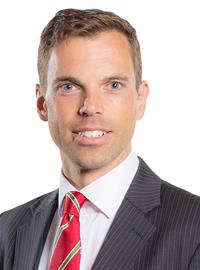
Ken Skates
Tenures
- Fourth Assembly Fflint Wrecsam Welsh Labour
- Fifth Senedd Fflint Wrecsam Welsh Labour
- Sixth Senedd Fflint Wrecsam Welsh Labour
- Seventh Senedd Fflint Wrecsam Welsh Labour
Ministerial roles
No ministerial roles on record.
Contributions, by sitting day
77 contributions on record, newest first. Official verbatim record.
13
Open this sitting on the stage
7. Reform UK Debate: Prostate cancer strategy en
Can I thank the Member for bringing forward this important debate today and also thank Paul Davies for sharing his experience and his insight into such an important subject matter? And as we've heard during this debate already, prostate cancer is the most common cancer amongst men in Wales and far too many families across the country have lost loved ones because a cancer diagnosis came too late. So, Welsh Labour strongly supports this motion and we join calls to include prostate cancer in the national cancer strategy for Wales. We wish to see a strategy that delivers better outcomes, improves support for cancer patients and builds on the progress made under the previous Welsh Labour Government. In Government, Welsh Labour ensured that record numbers of people got the good news every year that they don't have cancer. We invested tens of millions of pounds in new cancer facilities, diagnostic equipment, treatments, technology and workforce development, and we started construction on the new Velindre Cancer Centre, which is opening next spring. We introduced a £2 million cancer recovery programme to improve how services are delivered, including a specific focus on urological cancers, and we took significant steps to improve cancer screening and early diagnosis. We expanded bowel cancer screening to everyone aged 50 to 74, and increased the sensitivity of the screening test. We also made Wales the first UK nation to introduce human papillomavirus testing as the primary cervical screening test. Furthermore, we announced a new national targeted lung cancer screening programme, and on all of those decisions, Welsh Labour were driven in our determination to deliver better health outcomes for families in Wales.
7. Reform UK Debate: Prostate cancer strategy en
Yes, of course.
7. Reform UK Debate: Prostate cancer strategy en
We were certainly right to set very, very stretching targets for cancer. Obviously, we didn't meet them on all occasions, but I do not apologise for the stretching targets that we set. And of all of those decisions, as I say, Welsh Labour were driven at all times by the determination to deliver better health outcomes for the people that we served. Now, that's particularly relevant today. Decisions about screening programmes must always be based on the best available evidence. In this case, we know that the independent UK National Screening Committee does not recommend population-wide screening for prostate cancer. It advises that population-wide screening can cause more harm than good, because of the risks that include false positives and also the risk of providing false reassurances. Instead, they recommend targeted screening for prostate cancer, and, of course, the UK Labour Government has followed that advice. The UK Labour Government has committed more than £20 million to improve prostate cancer research and treatment, including supporting the Transform trial, which aims to deliver better ways of detecting the disease. That research is particularly important for understanding how screening can better support black men who face a higher risk of developing prostate cancer. So, will the Minister now confirm that he too will follow the science and the Plaid Cymru Government will commit to introducing an evidence-based targeted prostate cancer screening programme in Wales, similar to that which the UK Labour Government has announced for England? If the Minister is unable to make that commitment today, he should set out his reasons in detail and explain why the Welsh Government is taking a decision that is not led by the evidence. I'd also urge the Minister to ensure that the national cancer strategy is focused squarely on outcomes and real-life improvements for patients, and that it builds on the measures delivered by the Welsh Labour Government. Because what matters is early diagnosis, faster treatment and better chances of survival for cancer patients. The Minister already has our support for the motion today. If he can make those further commitments on the national cancer strategy, and a targeted prostate cancer screening programme, he will have the full backing of Labour Members as he delivers those plans.
8. Welsh Labour Debate: The M4 around Newport en
Another review.
8. Welsh Labour Debate: The M4 around Newport en
It was me. It was actually the case that the entire project was in my name. I was the sponsor Minister taking it through the public inquiry that ruled, in the inspector's view, that it should go ahead. The decision was made on financial grounds and for the right reason. But I don't know whether you can see me through the script in your glasses, but can you just tell me whether your party still favours making motorists pay twice through taxes and then through tolls?
8. Welsh Labour Debate: The M4 around Newport en
You've been practising that one, haven't you?
8. Welsh Labour Debate: The M4 around Newport en
You've rehearsed that.
8. Welsh Labour Debate: The M4 around Newport en
Was that in a mirror or in your glasses? [Laughter.]
8. Welsh Labour Debate: The M4 around Newport en
And do you know which Minister it was that ruled out those junction closure plans at the time?
8. Welsh Labour Debate: The M4 around Newport en
It was, indeed. Thank you.
8. Welsh Labour Debate: The M4 around Newport en
Thank you, Llywydd. Obviously, the subject matter of this debate actually predates devolution. It goes all the way back to the early 1990s, to the John Major Government, when there was failure to deliver back then. And of course, some in the Chamber were once Tories failing to deliver. But if we then move to 2019, of course, the planning inspector gave support to the proposed M4 relief lanes promoted through the public inquiry. But the decision made in 2019 not to go ahead with the relief lanes was for very good reason. The cost at the time, at a period of terrible uncertainty, was prohibitive. It was too much money at the time, with too few options available to pay for it. Costs, and estimated costs, had been rising during the course of development and reached £1.4 billion. At the time, we were planning for a no-deal Brexit, with funds being—[Interruption.]—this is a fact—with funds being prepared to help businesses, to help farmers, to help public services with the chaos that would have come. Instead, COVID came and wiped out our budgets. Now, I'm proud of the work that Lord Burns and the South East Wales Transport Commission did, as well as having secured the money for the south Wales relief line stations, including Cardiff Parkway. And I'm proud that we delivered the south Wales metro. But we now know for sure, because of the independent expert resilience study published this month, that if we wish to solve the problem of M4 congestion through Newport, no single or combined package of solutions will do. Now, it's worth Members knowing that 25 million km—25 million km—of new road will be built around the world between now and 2050. The M4 black route would have amounted to less than one-millionth of that amount. And that doesn't relieve us of our responsibilities to meet net-zero targets and to promote biodiversity, but it does show that even the most environmentally sensitive nations are building roads. The key is building better, and in suitable places, rather than in not building at all. Ecologists from around the world, from Cairns to Cambridge, are now agreeing that, built in the right way, roads can actually help nature and the environment. And this is why our motion states that a relief road must be appropriate. The policy and consenting environment has changed substantially since 2019, and a relief road would rightly have to meet far more stretching environmental challenges. Revising existing plans would provide an opportunity to include dedicated bus rapid transport and active travel routes along the M4. That would save more than £300 million from the proposed stand-alone bus rapid transport road from Newport to Cardiff. It could also be used as a global exemplar in the use of low-carbon materials, modular construction techniques, and world-leading environmental benefits. The world is building 25 million km of new road. In my view, we must help them build better by leading on sustainable infrastructure. Now, pages 27-29 of the independent report published this month show how economic growth and investment in road transport infrastructure are tightly coupled together—this is a fact—where an economy is weighted towards manufacturing, logistics, agriculture, construction, automotive and aerospace sectors, the very sectors that drive the future of the Welsh economy. So, whether we like it or not, unless the economy of Wales is changed dramatically and fast, its future growth or contraction is inextricably linked to road transport. Where we are today is a world away from 2019. We have greater economic stability—
8. Welsh Labour Debate: The M4 around Newport en
—in a moment—a UK Government that's growing, more Welsh Government borrowing powers, more finance options available, and, of course, an established corporate joint committee in the region to make a decision on the M4 for the region. And we now have an indisputable, independent expert evidence-led study that concludes that only an appropriate relief road will meet the needs of the people we serve. Now, it's my firm belief that tackling climate change and tackling economic decline are not mutually exclusive objectives for a Government. To claim that they are is to promote an absolutist argument that divides and damages society. And, as leading ecologists are now agreeing, building better roads can actually help the planet as well as the economy. Let's be open minded, evidence based, ambitious and responsible and unite in building better infrastructure that combats climate change and economic decline. Diolch.
8. Welsh Labour Debate: The M4 around Newport en
Will you take an intervention?
3
Open this sitting on the stage
1. Questions to the First Minister en
Diolch, Lywydd. I'd also like to pay tribute to the community of Aberfan, as we remember one of Wales's worst ever tragedies. First Minister, our democracy is facing unprecedented attacks through the spread of misinformation and disinformation. So-called bots and algorithms are a threat to open-mindedness, and I'd urge you to ask UK intelligence chiefs whether there's any evidence emerging of any recent interference in Welsh democracy. But, of course, the greatest defence against this is the objective truth provided by truly independent journalism. The BBC in Wales must be protected from the recently announced cuts. Our democracy needs impartial and independent news more than ever before, and I'm amazed that we haven't had an opportunity to debate or discuss the threats posed to the BBC in Wales. First Minister, what are you doing to save jobs at BBC Wales?
1. Questions to the First Minister en
First Minister, I don't think we can wait for the devolution of broadcasting, and, indeed, devolution of broadcasting in itself will not protect BBC Wales from cuts being imposed by the board centrally in London. It needs protection right now. We shouldn't have radio silence from the Welsh Government over what's happening at the BBC. It's as though Ministers are content to sit on their hands whilst our democracy is weakened. Now, another issue over which Plaid Cymru Members sat on their hands is the Hillsborough law. In the last Senedd term, your party abstained on a crucial consent motion. When the matter returns to this Chamber, will you commit to vote with Welsh Labour and support the fight for justice for the 97 and their families?
4. Statement by the First Minister: 60th Anniversary of the Aberfan Disaster en
First Minister, I commend and thank you for your statement today and all Members for their powerful contributions. To their credit, and to this day, leaders from across Wales, across the UK and from around the world continue to visit Aberfan to commemorate our loss and to give comfort to the community. The visit of the Prime Minister yesterday had a special resonance for him given his experience of the Hillsborough disaster. Hillsborough was a formative experience for him, because officialdom contributed to the making of the disaster and then sought to cover up the cause. It's with great regret that we reflect that the Aberfan disaster could have been averted if officialdom had listened to the local community. May we never forget the lives that were lost. May we never forget the families who continue to carry their memory and may the story of Aberfan continue to remind us of the value of every life, the strength of community and the importance of compassion. Their memory remains part of the story of Wales and their loss will never be forgotten. First Minister, in your view, how else, what more can we do to remember them through the curriculum and through wider civic society? Would you agree perhaps to invite ideas and suggestions for deepening our remembrance from members of the public? Diolch.
3
Open this sitting on the stage
5. Welsh Labour Debate: Palliative and end-of-life care en
Diolch, Lywydd. I move the motion in the name of Lynne Neagle, and I am pleased to open today's debate on behalf of Welsh Labour. Our intention for today's debate is to reach consensus on an issue that is so important to so many families across Wales. Whatever the political differences across this Chamber, we all want the best possible quality of life for children and adults with terminal illness. That's why Welsh Labour has tabled this motion: to champion the dedication and commitment of NHS and hospice workers who deliver dignity every day; to put on record our appreciation for the compassionate care they provide and the difference they make to people's lives; and to shine a light on the significant financial difficulties faced by hospices and the wider need for a sustainable solution to the funding of palliative and end-of-life care across Wales. I'm pleased that other parties have chosen not to amend our motion today. The Senedd, passing this motion unanimously, would send a powerful message to our brilliant NHS staff and hospice workers, and it would challenge Ministers constructively to engage with this issue and to deliver on the commitment set out in the programme for government to address key challenges facing the sector.
5. Welsh Labour Debate: Palliative and end-of-life care en
Llywydd, last week I visited Tŷ Gobaith hospice just outside Conwy, and I heard first-hand about those challenges. Tŷ Gobaith provides high-quality, locally sensitive palliative and end-of-life care for children and young people. It's one of only two hospices providing specialist care for children in Wales, the other being Tŷ Hafan in Penarth. The staff at both do an incredible job. They help families create precious memories, they give children experiences and moments to cherish, and they allow parents the time and the space to enjoy being together as a family. Behind those precious moments is specialist nursing and clinical care, support for children with complex life-limiting and life-threatening conditions and vital respite care for parents. Children's hospices support the whole family, often over many years, as well as providing care at the end of life and through bereavement. Right across Wales, dedicated hospice and NHS staff provide that personalised care every day. They manage people's pain, provide comfort and dignity, and support families through some of the most difficult times in their lives. But alongside the exceptional care that I saw at Tŷ Gobaith, I also heard about the financial pressures they face, which I know are faced by hospices across Wales. Hospice UK and Hospices Cymru say that Wales's 15 charitable hospices care for over 20,000 children and adults affected by terminal illness. Hospice staff in Wales make around 77,000 visits to people in their own homes every year, helping people to remain in familiar surroundings and taking pressure off local hospitals. But the financial challenges are becoming increasingly difficult to manage across the sector. Every hospice in Wales is forecasting a deficit budget for this financial year, forcing many to make difficult choices about their future, whether that's delaying recruitment, being unable to introduce new services, or even reducing services. On top of these pressures, Marie Curie estimate that the number of people in Wales needing palliative care will rise by 21 per cent by 2050, and their research also suggests that almost one in three adults in Wales have unmet palliative care needs, meaning around 10,000 people whose symptoms are not being managed and who lack the support they need. That's an increase of over 7,000 people needing care every year alongside significant unmet demand. In Government, Welsh Labour recognised these concerns, increasing annual hospice funding and providing extra cost-of-living support to help protect vital services. We also delivered on our commitment to review hospice funding, which began with the development of new commissioning frameworks in partnership with the NHS and hospice sector. But as financial pressures intensify and demand still rises, there is a need for greater certainty and stability to protect services and help drive improvements. As Hospice UK and Hospices Cymru have argued, hospice funding needs to be stabilised in the short term and put on a sustainable footing in the long term. We need to consider how we can work towards meeting 30 per cent of agreed care costs in the hospice sector during this Senedd term. In addition to a plan to stabilise the wider sector, there is a need to expand the offer for children and their families, with earlier access to support, better co-ordination between services and dependable respite and bereavement care wherever people live. And we need to ensure that our NHS and hospices have the workforce they need to meet growing demand, with the right staff in the right place. We need to build on the Government's manifesto commitment to develop a new sustainable funding model, and to this end, Labour offers to work with the Government to address the key challenges facing palliative and end-of-life care as per the programme for government. That is what our motion is calling for. It's asking Ministers constructively to come forward with a long-term plan that stabilises and secures high-quality services and to ensure that our NHS and hospices have the skilled workforce they need to meet growing demand for palliative and end-of-life care. These challenges require action now, as well as a clear plan for the future. Llywydd, we all recognise the extraordinary contribution that dedicated NHS and hospice staff make every day, delivering dignified and compassionate care to children and adults with terminal illness. We owe it to those staff and to the tens of thousands of families who depend on their care to ensure these services are protected for the future. It's vital that Ministers get this right and that we support Ministers in getting this right, and I hope Members will unanimously support this motion today. Diolch.
5. Welsh Labour Debate: Palliative and end-of-life care en
Diolch, Lywydd. Today we do have a cosy consensus. It's one that crosses all parties, and it concerns such a vital area of care that's needed at the end of life and when facing terminal illness. There have been many incredibly valuable contributions, which I have, I'm afraid, too little time available to do justice to. We began with Elfed Williams, who shared his very personal experience of the care provided by hospices and their remarkable staff. He reflected, I think, what many subsequently talked about: just how important it is to give our thanks to the people who make end-of-life experiences and terminal illness manageable. Benjamin Hodge Mckenna reiterated the pressures facing hospices, outlining the future needs of people with palliative and end-of-life care requirements. Natasha Asghar so rightly identified the compassion and the dignity needed by and provided to children and adults in need of palliative and end-of-life care. St David's hospice in Newport is indeed a remarkable place, and Natasha highlighted workforce issues, including staff well-being. Mike Hedges has long championed the work of hospices and NHS staff, who care for people with terminal illness, and he outlined why high-quality care must be available to people in all parts of Wales. Tŷ Gobaith covers a vast area, and I was told on my visit about the particular challenges of people in remote and rural areas. Mike, along with Rebeca Phillips, rightly called for care not to be subject to a postcode lottery and to ensure equal access for all. Becca Martin shared what she was told by Mel and presented what I thought was a powerful case, with real emotional depth, for greater support for carers to receive vital respite care. Bereavement support, as Becca outlined, continues through and beyond bereavement, often for many months, potentially even years. Cristiana Emsley also shared a deeply personal experience, reminding us of the need and unmet need across our society. This time last year, Marie Curie nurses provided exceptional end-of-life care for my mum, and she was able to come home to die in dignity and familiar surroundings. I think all of us will know of, or eventually need ourselves, the care of angels at the end of our lives. Sam Rowlands rightly praised Mark Isherwood for his work in this area, and also Jayne Bryant for her work. And Sam, as chair of the all-party group, I'm sure there's nothing that I can say about this subject that you don't already know, but you were absolutely right to say that certainty of funding is the central ask of hospices. And today I think we heard cross-party support for this to be delivered. Shav Taj identified how important communication is in finding appropriate care, and Shav was absolutely right to call for fair work, respect, care and support for the workforce. Paul Rock gave us an insight into the operation of hospice sports bars and the way that innovation and person-centred care can enhance palliative and end-of-life experiences. And James Evans shared with us his experience of visiting the phenomenal hospice Tŷ Hafan. He also reiterated the need for funding certainty and fairness of access. Minister, I believe you gave us assurance, the assurance that we were looking for in this motion, that work will continue and intensify in an area of care so important across political lines and across the communities that we all serve. I'm sure that Members right across this Chamber are keen to help in that work and will scrutinise its progress. Now, in Government, we increased annual hospice funding and provided extra cost-of-living support to help protect vital services. But unmet and increasing need requires a concerted effort backed by all parties. I fear there will be very few and precious opportunities like this in the coming three and a half years to have consensus and to rally behind an area of delivery that is so important to all. But it is essential that we act collectively and respectfully on such important matters. Care in death is just as important as care at birth. I thank the Minister and all Members who have contributed to this debate, and I hope that we will achieve complete consensus at the vote.
3
Open this sitting on the stage
1. Questions to the First Minister en
Diolch, Llywydd. First Minister, some here will doubtless work tirelessly to destroy and sabotage devolution, but Welsh Labour firmly believes in making it work for the people of Wales, and we're proud to have fought for and secured an extra £60 million for children with additional learning needs for this financial year. That's a 50 per cent increase on two weeks ago, and it's £60 million more than at the start of the summer. But, of course, this is only the first step. We believe that more funding should be made available for ALN, and we've made it clear that not a penny of this £60 million should come from elsewhere within the education budget, and we've argued successfully that there needs to be a long-term sustainability plan for further education in Wales. First Minister, will you confirm these commitments today? And also, will you commit to getting the extra £60 million that Welsh Labour has fought for to schools and to children as soon as possible?
1. Questions to the First Minister en
Absolutely, First Minister, and Welsh Labour will never fold. We will stand firm in our positions, unlike parties—[Interruption.]—unlike parties that have no principles, that have no values, that have no direction, but have plenty of different leaders, it seems. First Minister, of course, ALN-related provision and home-to-school transport are costing more and more each year. It's now reached around £200 million for the taxpayer—money that is coming from education budgets. Now, it may come as a surprise to the vocal crew on the other side of this Chamber, but their leader at a UK level, when he went to Kent, said that spending on home-to-school transport was ridiculous. Actually, he used more profound terms. He said that the way that he would cut it is to stop providing it, to make parents drive or walk their children to school. Is that the policy of Reform here, First Minister, do you think? And, First Minister, would you agree to a more sensible approach, a more intelligent approach, one that was started by the Welsh Labour Government, where we composed an expert panel, a cross-party, cross-departmental group, to look at how we can reduce costs for home-to-school transport whilst improving the amount of home-to-school transport that can be provided to young people?
5. Statement by the Cabinet Minister for Health and Care: Update on winter preparedness en
Can I thank you, Cabinet Minister, for your statement today? I am pleased that this is one of three statements on winter preparedness that Ministers are delivering today, and that recognises that planning for the winter months needs to be a cross-cutting approach. In Government, of course, Welsh Labour began preparations for the winter months as early as possible, with preparations for last winter beginning in March 2025, with a winter summit for 2025-26. I am concerned that the actions taken by this Welsh Government mean the NHS isn't going into the winter in the robust shape that it needs to be. We still haven't heard from Ministers when two-year waits will be eliminated, just that it will be within a year, and that uncertainty certainly doesn't help the NHS or patients. After 10 months of waiting lists falling under the last Welsh Labour Government, they are now rising again under this Government. Ministers, of course, have been in dispute with health visitors in Cwm Taf, and now there's concern and uncertainty around the future of endometriosis services in Wales. All of this adds to the perception that the grip on health services is not firm enough as we go into the winter. Minister, on the whole, this statement was light on detail and even lighter on financial commitments—more of a commentary than a detailed action plan for the winter. As you know, the extra £2 million that you referenced is a drop in the ocean for health budgets. Can you put a figure on the total actual resource that you are putting into winter pressures this year? Further to the questions that have been raised about stress testing of regional assessments, can you just outline what problems have so far been identified through that process and whether the problems that have been identified are now being addressed? We know that, when hospitals come under pressure, the pressure on GP practices intensifies as well. The Royal College of General Practitioners have said that winter pressures for general practices are all too often overshadowed by the focus on acute hospital settings. So, what are you doing, Cabinet Minister, to ensure that GPs are properly supported going into the winter and what specific arrangements are you putting in place? Could you also give an update on how many more GPs have been recruited on your watch, given that we are now almost six months into the four-year term, during which the people of Wales are being promised 100 new and additional GPs? Now, the programme for government also set out Ministers' intentions for greater use of evidence and data in the Welsh health service. So, can I ask you whether any targets have been put in place for winter preparedness, particularly around the uptake of vaccinations? I was very pleased that you called out dangerous misinformation about vaccinations. Could you just outline what additional effort is being made to provide facts on vaccinations to people who may be anxious about them? And more broadly, what is the Government doing to monitor and increase the take-up of vaccinations, especially for high-risk groups? Now, in June, you said that the Government would be bringing forward proposals for a new communications approach that helps people get the right support and takes pressure off front-line services. Minister, I'd be very grateful if you could give an update on that new approach and whether it would be introduced in time for winter, and what key differences you anticipate it will make. Diolch.
4
Open this sitting on the stage
1. Questions to the Cabinet Minister for Health and Care en
Diolch, Ddirprwy Lywydd. Minister, are there any Welsh Government whistleblowing investigations currently taking place or recently concluded relating to personnel in NHS Wales?
1. Questions to the Cabinet Minister for Health and Care en
Thank you, Minister. Over many, many years, we've been told that it's for health boards to hire and fire senior executives, yet chief executives of health boards are not accountable to their own health boards for the proper stewardship of public money or for delivering against performance requirements. Instead, accountability is to the chief executive of NHS Wales. It's also the CEO of NHS Wales who confers accountable officer status on all Welsh LHBs, and can remove it as well. That obviously leads to an awkward split in terms of accountability and responsibilities, and it no doubt creates tensions. Would you agree that it's time to devolve the responsibilities centralised in NHS Wales to local health boards, so that local control and accountability can flourish?
8. Reform UK Debate: Access to HMOs and social housing for foreign nationals en
So, forgive me if I'm wrong, but it appears that you're saying that, if you're not Welsh or English, you shouldn't be entitled to social housing. Would that extend to Gurkhas in the UK?
8. Reform UK Debate: Access to HMOs and social housing for foreign nationals en
And would it extend to Suella Braverman?
2
Open this sitting on the stage
1. Questions to the First Minister en
Diolch, Lywydd. First Minister, Robin Hood took from the rich and gave to the poor, but I fear your Government is about to do the opposite. I'm afraid that cuts are being promised, Flying Start has been put on notice and £10 weekly payments for the poorest haven't happened, yet you're pressing ahead with free childcare for millionaires, just like the Tories wish to do. Can you tell us how much people earning more than £100,000 a year will benefit from through your childcare policy?
1. Questions to the First Minister en
Well, the First Minister knows full well that we would never ever do that, and it's simply a deflection from the truth. Because I can reveal what the cost to the taxpayer would be in giving millionaires and the highest earners free childcare: it would amount to about £15 million per year. For every person earning over £100,000 a year, they would benefit from Plaid Cymru's Government to the tune of £5,650 per child per year. As I say, that amount will total £15 million per year, paid for through cuts elsewhere. It's not fair, it's not progressive, and it's certainly not left wing. You're standing up for millionaires, you're not standing up for Wales. And indeed, you're standing beside the Tories in wanting the same policy. So, who stole this policy from whom? Did you steal it from the Tories, or did Kemi Badenoch steal it from yourself? And why won't you use £15 million a year instead to support those who are facing the toughest of times in the cost-of-living crisis, not the richest?
3
Open this sitting on the stage
5. Member Debate under Standing Order 11.21(iv): Contaminated land en
Can I welcome this debate and thank those who have already spoken? There have been some powerful contributions so far. It is obviously the subject of enormous cause for concern across Wales, including in and near my constituency, and indeed in my home village of Ruabon. I support the motion, obviously. I must say, though, that I would have liked to have seen greater reference to the role of the Welsh Government in addressing land contamination in Wales and in terms of protecting public health. There is historic precedent for the Welsh Government to intervene with money. I'll come to that in a moment, though. First, my thanks must go to Michael Sheen and his production team for highlighting this issue, and also to Steve Witherden MP and his wife, Councillor Katie Witherden. These are activists who are featured in Michael Sheen's documentary, and Steve, in particular, has been very vocal in Parliament on the subject. He's raised the need for Natural Resources Wales to undertake urgent tests. Furthermore, Public Health Wales must undertake a programme of blood testing in affected areas without delay. It is the Welsh Government that must lead on this matter and get to grips with it, not shirk responsibility. Turning to those who pay, I don't think that anybody in this Chamber would disagree that the polluter should pay. Absolutely, those responsible should be held to account and should pay for what they have done. But this is often not possible, sadly. And here comes the historic precedent. Back in 2015, contaminated land issues hit the headlines in north Wales, in Coedpoeth, in my constituency, and also in Blanefield up in Scotland. In both cases, the polluters sadly no longer existed, and so in the case of Scotland, it was the UK Government and Stirling Council who paid. The Scottish Government did not contribute. In contrast, here in Wales, to remediate the land in Coedpoeth, it was the Welsh Government that paid. The UK Government did not contribute. And then in this decade, it was the Welsh Government that pledged £100 million for coal-tip remediation, with an additional £143 million from the UK Labour Government. What these recent major cases requiring Government help demonstrate above all is that all levels of government—all levels of government—need to act fast and need to act together in partnership. That's why there is a need for a consistent approach and, indeed, a framework, as the motion calls for. So, I support the motion, but I would urge the Government here in Wales to have a more responsible role within that framework and to do as we did in Government to help solve the problem, not to pass the problem to councils or to Westminster. Councils, citizens, communities cannot afford the cost of remediation, nor can they afford to wait any longer for action. So, I call on the Government here to stand up for the people of Wales by taking urgent action where it can, now.
6. Reform UK Debate: Default 20 mph speed limit en
Thank you. So, your motion explicitly states that you want to scrap the default speed limit, which would mean going back to 30 mph outside schools, outside hospitals, outside play areas, and then you would have to pay a fortune, using traffic regulation orders across every community at an enormous cost to reduce back to 20 mph. It would be a farce.
7. Welsh Conservatives Debate: The defence sector en
I very much welcome this debate today. I support the motion and also support many of the points raised in the amendment. Indeed, I particularly welcome the reference to the importance of respecting human rights, of upholding international law and international solidarity. I would also say that national solidarity is just as, if not more, important. A divided nation is a weak and vulnerable nation, and we must demonstrate unity to our enemies as much as we possibly can. Now, Llywydd, the defence sector is interwoven with many other sectors in Wales, including aerospace, automotive, AI, glass, electronics, fabrics and advanced materials. So, investing in defence provides investment across the economy, and, crucially, in jobs that require the highest levels of skills and provide the best opportunities for career progression, especially for young people leaving universities and college. In my constituency, the defence sector is particularly important, as many Members will be aware. Fflint Wrecsam is home to a huge number of businesses, producing items that are then used by our armed forces and our allies. It represents a huge, huge proportion of employment across the constituency. So, without defence businesses, we would be so much poorer, not just so much weaker. Defence is just that—a means of protecting against aggression, against attack, against harm, and, crucially, against invasion. But we must never, never use our defence capabilities for aggressive intent, nor should we allow those who use what our defence sector produces and provides, whether it be intelligence, weapons, vehicles or kit. Now, to the point in the motion referring to geopolitical instability, I would refer Members to NATO's assessment of global security at present: we are not living in war, but we are not living in peace either. We are living in the most vulnerable time since the cold war, with Russia in particular growing its military might. It's doing so not for the purpose of defence, as we can see in Ukraine; they are doing it for more nefarious purposes. I do believe that a strategy here is definitely needed. It's needed in order to take maximum advantage of the UK Government's increasing investment in defence, and I believe that the Scottish National Party in Government are looking at creating their defence strategy as well. I welcome and also agree with what Paul Davies had to say on the DARC programme. I do believe that this is essential for our defence and for jobs. We also, whether we like it or not, invest in our intelligence services, our armed forces, and their families. I was with veterans at Caffinaafi in Connah's Quay just last Friday. It's a brilliant hub—I'd recommend it to all Members. It's a brilliant hub for veterans, for service leavers, reservists, cadets, serving personnel and, of course, their families. I spoke with a number of the veterans there. They didn't go into the forces and their loved ones didn't support them in the forces in the hope of war, or in the anticipation of invading another country. They took the action they did to defend people here, in our communities and around the world, for a better, safer, freer tomorrow.
3
Open this sitting on the stage
2. Questions to the First Minister en
Dioch, Lywydd. First Minister, there is mounting uncertainty over the future of Flying Start, amplified this week when councils across Wales were told different things about its future. Can you confirm whether today's Flying Start programme has a future under Plaid Cymru, or will your party do to it what the Tories did to Sure Start in England?
2. Questions to the First Minister en
First Minister, it's still not enough. We've heard your concerns over many weeks about public finance, which begs the question why you'd squander public money on rebranding Flying Start if the only threat is to its name. But I'd like to turn to national security. Welsh Government Ministers have to rely on the intelligence of others, and that's because there is no significant intelligence-gathering capability here in Wales. And yet we are obviously, given the news that we've seen this week, being watched very carefully and targeted by Russian and other intelligence agencies, as well as many others who seek to break us. In the interest of national security and in the interest of standing up for the people of Wales, could I ask whether you and indeed the leaders of other groups in this Chamber would agree to receive a comprehensive briefing from intelligence chiefs in the UK defence forces over the specific scale and breadth of threats facing Wales and its people?
-
Minister, thanks for the update today on the review of the escalation and intervention framework. One thing that remains unclear to me is around the difference in outcome. What is the difference that you hope to achieve or would expect, and what will the new framework do that couldn't already be done? Furthermore, what exactly are the enhanced mechanisms for earlier identification of risk, and what does earlier deployment of support look like in reality? Turning to the brilliant workforce within the NHS, what additional staffing and resources will be made available, and will there need to be further expertise and funding to go alongside the new framework? If so, who will provide those resources? Will it come from health board budgets, or will it come via the Welsh Government through Welsh Government budgets? Where health boards fail to improve under this new framework, what happens next and who will be held accountable ultimately? Patients want to know that when they go into a hospital they're getting the best possible care, and that they're being treated as quickly as possible. How does this framework help with that? What measurable improvements, for example, will there be in safety, access and quality that patients should expect, and how long until they see those? Finally, waiting lists are still a major problem. They've been going up month after month recently. So when will we see improvements and how will this statement today, and the new framework, help in driving down waiting lists? Diolch.
3
Open this sitting on the stage
1. Questions to the First Minister en
First Minister, today we remember the deaths of hundreds of people in the Gresford mining disaster. It was a horrific disaster that devastated the community, and I'm sure you, First Minister, will also remember those who died. More than 260 bodies were recovered, but 253 remain entombed. Unfortunately, it wasn't just men that died; boys died in that disaster as well. It clearly was one of Wales's darkest days. Research by Wrexham.com shows that, whilst the Plaid Government was questioning the need and rationale for an extra £100 million to be spent on additional learning needs, it was at the very same time asking councils how much more they'd be spending on additional learning needs this year. Now, the data was published just before the supplementary budget vote on your own website. And that figure, in total, for all councils and all schools in Wales was an extra £96.3 million—almost exactly the £100 million that Welsh Labour was saying was required to stabilise the system across Wales, and for which you received a major UK Labour Government windfall. Now, does this revelation, uncovered as I say by Wrexham.com, demonstrate that disadvantaged children risk coming second to this Plaid Cymru Government, behind free childcare for millionaires?
1. Questions to the First Minister en
First Minister, the £9 million that you refer to was before the UK Government budget. Once the UK Government budget had taken place and confirmation that more than £300 million was made available, the then education Minister, Lynne Neagle, was planning to spend an extra £100 million on additional learning needs, had we been re-elected. Now, I can provide clear, irrefutable evidence of how disadvantaged and disabled children will pay the price for your uncosted pledges. Clwb Cwtsh, which is the only provider of school holiday play for children with complex needs in north Wales, has just been told by the Plaid Government that funding for its services will end. The previous Labour Government here funded that provision, which is, as I say, for children with complex needs. I'm afraid, unless your Government makes a u-turn on this, changes its mind and provides the funding to Clwb Cwtsh, it will be lost. So, can I urge you to reconsider the decision to end funding for this provision? Otherwise, I'm afraid disabled children will be paying the price for free childcare for millionaires.
4. Statement by the First Minister: 'New Ambition for Wales: Programme for Government 2026-2030' en
First Minister, can I also thank you for your statement today and congratulate you on publishing your programme for government? This, of course, is the first non-Welsh Labour-led programme for government this Senedd has seen, and we aim to respond to it in a dignified manner, putting the people that we serve and represent first, and of course working in common cause where and when we can. I look forward to working constructively on legislation in particular. Now, governing, as I believe you recognise, is hard, and we do not intend to make your task unnecessarily harder, but we do represent in our party a great Welsh tradition with deep bonds of solidarity across Britain on the basis that we achieve more together than we can achieve alone. And our role in this Chamber is to stand up for the most vulnerable and to be a voice for those who don't have inherited wealth and privilege, but who graft and work for a better tomorrow. We were therefore disappointed that one of the first things this Plaid Cymru Government did was to water down its offer on free school meals. Plaid Cymru promised in its first 100 days document to commit to expanding free school meals to all secondary school pupils in households claiming universal benefit from September of this year. But by June, of course, just weeks after the election, you stated that this year it would only be available to parents of children in years 7 and 8. No date, indeed, has been given for extending this to years 9, 10 and 11. Now, Bevan said that socialism is the language of priorities, and one of your first decisions was that you decided that keeping an election promise to some of our poorest children was not a priority. When over £300 million of ALN consequentials came to Wales, again you decided that the most vulnerable children were not a priority and not a penny was allocated to them. Welsh Labour had published plans in Government and in our manifesto for a negotiating body for school support staff, and despite the Senedd voting in favour of it, your Government has refused to commit to supporting school support staff on this. Now, First Minister, you told traditional Labour voters in your election campaign that you were a safe pair of hands for progressive voters, and yet your group is now welcoming right-wing Reformers. And in your first decisions on education and opportunity for everyone, you've prioritised expanding Welsh Labour's childcare offer to millionaires. First Minister, can I ask you today to commit that your policies in this programme for government will not result in the removal or reduction in support aimed at working class or vulnerable children, such as Flying Start? Turning to healthcare, under this Plaid Cymru Government, both overall waiting lists and two-year waiting lists are rising again, having fallen for 10 months in a row under Welsh Labour. Before the election, you promised that, within months, the number of people waiting for more than two years would be zero. Can you confirm that the priorities that you set out in this programme for government will not see you renege on another promise—a promise, not just an ambition, that we will see two-year waits reduced to zero within months? And can you confirm how many months that will be? Weeks before the election—in an attempt, obviously, to get Wales's trade union movement on side—you also wrote to Cwm Taf health visitors supporting their call to upgrade all band 6 health visitors to band 7. Ministers, again, have reneged on this promise, and health visitors rightly feel betrayed. So, can I ask you, First Minister, will you now make good on your promise to these workers and to Unite the Union? Others who will feel ignored and betrayed by this programme for government are the people of north Wales, as Helen Jenner has already identified, specifically those in Flintshire and Wrexham, because as Wrexham.com have observed, for north-east Wales, a notable feature is absence. It's as though parts of Wales are already being left behind. Standing up for Wales means uniting the people of Wales, not seeking a course of action that will divide Wales, divide the nation, divide our families and divide our communities, as Brexit did. Standing up for Wales means taking action to improve Wales, not producing a plethora of plans. It's not too late, though. It's not too late. I ask you, finally, First Minister, to work with us in the spirit that you campaigned, in the spirit not only of constructive politics, but also progressive politics, because when the people of Wales are prioritised, I can assure you that you will find in us a willing and constructive partner.
2
Open this sitting on the stage
1. Questions to the Trefnydd, Chief Whip and Cabinet Minister for Culture and Sport cy
1. Pa gynlluniau sydd gan y Gweinidog Cabinet i wella'r gefnogaeth i ddiwydiannau creadigol Cymru? OQ64464
Official English translation
1. What plans does the Cabinet Minister have to enhance support for Wales's creative industries? OQ64464
No broadcast timestamp published, so this contribution cannot be placed on the stage. Senedd TV Read this in the Record
1. Questions to the Trefnydd, Chief Whip and Cabinet Minister for Culture and Sport en
Thank you, Minister. Creative Wales has been a magnificent success, driving growth across the creative industries for a good number of years now, and, importantly, driving up the number of decent job opportunities, particularly for young creatives in Wales. As we look towards 2029, and, hopefully, the Wrexham city of culture year, we're growing the creative industries in Wrexham and across north Wales, working with a number of institutions, including the universities that we have, like Wrexham University, and we've seen the growth in the establishment of studios, including Minera Studios in Wrexham. Minister, would you agree to visit Wrexham and meet with the leaders of the creative industries within the region, and discuss what sort of support Creative Wales can offer to turbocharge the sectors in north Wales?
2
Open this sitting on the stage
1. Questions to the First Minister en
Diolch. First Minister, obviously building a progressive alliance means working together in common cause, but signing a memorandum of disunity with those who wish to break up and ruin the United Kingdom will only please people like Donald Trump and Vladimir Putin. It will not please the vast majority of people in Wales, including the many health visitors who are here today. Those health visitors feel snubbed by your Government. Those health visitors are questioning the integrity of your Government after being promised an end to their dispute over pay within days of May's election. First Minister, will you please use powers available to you in law to bring an end to this dispute, an end that was promised before the election?
1. Questions to the First Minister en
First Minister, I agree it is not acceptable and health visitors should have had justice within the first 100 days of your Government being elected. Yes, you've inherited this challenge, but during the election many of your Members were telling those health visitors that it would be resolved with direct intervention within days—within days. They now question the integrity of your Government and they say that they voted for your party on the basis of what they now believe was a false promise. Now, they're not the only people to have been snubbed. Over the summer, a number of organisations, communities and people have been snubbed—you might call it 'summer snubbing'. But it's affected the Prime Minister, it's affected Michael Sheen, it's affected countless communities that were left devastated by the wildfires. All snubbed. But please can I urge you not to snub those who wish to see a £2 bus fare cap introduced in Wales? Andy Burnham has provided you with the consequentials to do so. It was a pledge in Welsh Labour's manifesto, and I do believe that if you implement that policy, it would demonstrate to the people of Wales that common ground that we can occupy to make people's lives better.
5
Open this sitting on the stage
1. Questions to the First Minister en
Diolch. First Minister, over the past few days, a crisis developed, the like of which I fear we will see again and again. Homes were evacuated, schools were closed, hundreds of acres of land were scorched and businesses hit during the north Wales wildfires and extreme heat. Now, thanks to our emergency services, the loss of human life was averted. First Minister, who is responsible in your Government for responding to such events?
1. Questions to the First Minister en
Thank you, First Minister. Of course, the risk with it being cross-government is that no single Minister actually holds on to the responsibility. Now, that was the distinct advantage of having a Minister for north Wales. This week, the Welsh Government has been pretty much silent in north Wales and about north Wales whilst these fires have taken place. More people may be left homeless in weeks and months to come with further extreme heat predicted, and that means that businesses will also be hit, likely events will be cancelled. Can you assure people across Wales that your Government will support businesses and home owners who are impacted by wildfires and extreme heat?
4. Statement by the First Minister: Legislation en
Diolch, Lywydd, especially for that kind and polite reminder of bringing announcements like this first to the Senedd. First Minister, there are many aspects to welcome, I believe, in this statement, but I would appreciate clarity on a number of points. It was of course one of the Government's key commitments to put rural-proofing on a statutory footing, and I look forward to scrutinising that legislation. I'll be particularly interested to understand what outcomes it'll drive for rural communities, because the test, of course, is not the drafting and the passage of the Bill, but what changes for rural communities. Likewise, on the fair rent Bill, I'm proud of how the last Welsh Labour Government strengthened protections for tenants, and my colleagues and I look forward to scrutinising the Government's proposals in this area. I'd particularly like to welcome the Government's announcement of a new law creating a community right to buy. This is a long-standing priority for many communities across Wales, and is particularly championed by the Co-operative Party. It empowers local people to bring valuable community spaces back into community ownership, and I know that work on this started under the last Welsh Labour Government. Of course, in England there is already a community right to buy, introduced by the UK Labour Government, and I'm a huge advocate of giving communities more power in decision making over their own areas. It's exactly what the community right to buy helps to achieve—places like The Raven Inn in Llanarmon-yn-Iâl; I believe it's frequented by Darren Millar many times. That shows just how powerful a community right-to-buy scheme can be in empowering and uniting a community. I think it's an important tool in helping community groups to buy places like pubs, but also like schools, shops, open spaces and other places in towns and villages, and indeed in our cities. It protects places that make our communities special, that matter to people, and gives people more of a say in designing their own high streets. Now, the UK Labour Government's backed this up with a fund to help communities to buy assets. So, what additional practical support will this Government put in place to ensure that communities can actually make use of the new law? I'd particularly suggest that the community facilities programme could be a useful vehicle for providing financial support and indeed advice to communities that need it. The First Minister won't be surprised to hear me raise legislation for a school staff negotiating body in the Siambr. I'm disappointed to see that it's not included in the statement today. We committed, when we were in Government, to a school support staff negotiating body, and much of the preparatory work is done. It's ready to go, in fact. And, of course, when the Senedd recently voted on this matter, there was cross-party support for it. We were always clear, though, in Government that a new negotiating body would have addressing year-round pay as its first priority, because across Wales, 27,000 school support staff—the teaching assistants, the kitchen staff, caretakers and many others that schools rely on—are only being paid during term time. And, of course, we're mere days away from the school summer holidays, a time at which, at least symbolically, these vital staff members are without pay. And it is about fair pay, it's about job security, it's about social justice, it's about stability for children, and it's also about equality, because 90 per cent of school support staff are women. For thousands of families across Wales, year-round pay would be a huge step forward, and I would urge the Government to commit to taking this forward as soon as possible. Now, another Bill I'd hoped to see in today's statement was a taxi and private hire vehicles Bill, which, as many Members will know, was developed as a White Paper under the Welsh Labour Government. Such a Bill would legislate to regulate the taxi and private hire vehicle sector, including addressing the problem of cross-bordering, which is particularly prevalent in Cardiff and Newport. Now, since the White Paper, the need for this legislation has only increased. There's no doubt about it. We now live in an age of rapidly evolving technology, particularly with regard to automation, that will fundamentally change how people across Wales work, how they travel and therefore how they use taxis and private hire vehicles. This legislation, I believe, will only become more relevant and necessary as the pace of change continues to increase, and I'd urge the Government to give this matter close consideration. Diolch.
9. Debate: The First Supplementary Budget 2026-27 en
I can predict what you're going to say now, but just let me read what your leader said in March 2025 in response to the then finance Minister, Mark Drakeford. 'The Cabinet Secretary is suggesting that by voting against a flawed budget as a whole, Plaid Cymru is voting against individual spending decisions.' 'this is a spurious argument.' 'What we're saying today is that whilst we can agree with elements of the budget...this is a flawed Labour budget and that is why we'll vote against it today.'
9. Debate: The First Supplementary Budget 2026-27 en
This is beneath you, finance Minister, it truly is. It truly is. And I wish that you would focus more on negotiations than attacks, I really do, because you may be more successful in getting future budgets through this Senedd.
3
Open this sitting on the stage
1. Questions to the First Minister en
First Minister, that money that you say has been found actually came from the UK Labour Government, and it came as a result of increased investment in ALN, or SEN as it is in England. In 2024, your party said that schools are forced to make difficult decisions about the support they provide to the students who need it the most. And you even said, 'Wales can do better than this. Under Plaid Cymru, the pupils who need support will receive it.' In that case, why was not a single extra penny allocated towards additional learning needs in your supplementary budget?
1. Questions to the First Minister en
First Minister, you said what needs to be done, what we need to avoid doing. Clearly what we need to avoid doing is abdicating responsibility for the most vulnerable children in Wales, and that is exactly what your Government is doing by refusing to allocate a single penny of ALN money in the supplementary budget. It's just not good enough. You made a virtue of supporting young people and children in opposition, but you're not following it through in Government. This week, I heard from Nia Goldsmith, headteacher at Ysgol Tŷ Ffynnon in my constituency. She told me of her concerns about the pressure on staff in school budgets, and as you well know, that money is there to help them. And another headteacher, Richard Hatwood of All Saints' School in Gresford, told me that the chair of the primary headteacher federation has requested a meeting with you. Now, will you be responding and agreeing to that meeting, so that you can show teachers and students and parents across Wales that you are taking their concerns seriously?
1. Questions to the First Minister en
Point of order. During First Minister's questions, the First Minister referenced the inheritance of hundreds of millions of pounds in overspend. Could the Record be reviewed to check that that was indeed what was said, and, if so, be corrected, due to the fact that the Government inherited £120 million, plus the £300 plus million in consequentials?
2
Open this sitting on the stage
2. Questions to the Cabinet Minister for Education and the Welsh Language en
Minister, traditionally and historically, Welsh apprenticeships have been amongst the most successful in the UK in terms of completion rates—they've been sky-high compared to other parts of the UK. And apprenticeships are vitally important in driving down those stubborn figures related to people not in education or training. But your supplementary budget doesn't give any additional investment to FE learners, so what efforts are you making to secure more money for apprenticeships and for our colleges and learners?
7. Reform UK Debate: Nation of Sanctuary en
Llywydd, if Members could just cast their minds back to 2011, they may recall how the Arab spring was spreading across north Africa and eventually reached Libya. Ultimately, 435,000 people fled from their homes during that conflict. Around 21,500 people are known to have been killed in it. There was a brilliant British Foreign and Commonwealth Office operation—a superb operation—that was launched to rescue stranded nationals in Libya, and those nationals included a steelworker from north Wales, who was known to be stationed at a particularly vulnerable facility in the desert. He had been a steelworker in Shotton and, like many people in north-east Wales, struggled to find like-for-like work after more than 8,000 people lost their jobs in a single day at Shotton steelworks. So, many made their way abroad to find work. This particular man found his way to Libya, and he'd been training up apprentices there—apprentices from Libya itself, from Chad, from Iraq, from Egypt and from countries further afield. He was also responsible for the maintenance of the heavy lathes at that facility. And as rebels advanced and as Gaddafi's militia and armed forces pushed back against the uprising, it became very clear that foreign nationals were at risk of death. The facility that that man was based at became the UK Government's most pressing concern in Libya because of the value of the oil reserves there. Contact with the facility had been lost and the British men were not able to be contacted for several days. But the one from Wales refused to leave the site when others began to flee. He refused to leave the people he had trained: his friends, people who did not have Governments that would rescue them, people who would likely die at the hands of the rebels or the militia or the armed forces of Gaddafi. That person did finally leave the site and witnessed horrific brutality as he made his way to Misrata and then across Tripoli to the international airport, where the final British rescue plane was waiting on the runway for the last British citizens remaining in Libya. I know all of this because that person was my late father, and he stayed as long as he could because he wanted to leave no-one behind to die, regardless of their race or nationality. The first and only time I saw my dad cry was when he told me he had to say goodbye, with some of his colleagues begging him to help them escape from the war and get back to their families, when he told me in graphic detail about the brutal beating of women and children, although he tried to intervene, who were just trying to flee Libya and gain sanctuary in any place that would take them. The Brits did escape, the Americans escaped, the Canadians, they did too, the Germans, French, Italians, but some of my dad's friends he never heard from again nor did their families. So, I just ask this: could you look into the eyes of a friend you know might be dead in hours because there's no refuge to take them, and tell them you don't believe in sanctuary? [Applause.]
4
Open this sitting on the stage
1. Questions to the First Minister en
First Minister, between now and 2029, how much does your Government anticipate receiving from the UK Government in additional learning needs consequentials?
1. Questions to the First Minister en
Thank you, First Minister. The answer is more than £0.5 billion—more than £0.5 billion that will come to the Welsh Government as a result of increased spending by the UK Government on additional learning needs. That is a huge additional sum that your Government will be receiving. Every one of the 22 local authorities in Wales is calling for this year's consequential to be passed to councils so that they can then pass it to schools for investment in children and in the teaching profession. Many of your Members, as I've said on numerous occasions, have been consistent in calling for more ALN money for the system. So, how much additional ALN funding are you willing to allocate for children and schools in this year's supplementary budget?
-
Minister, thank you for your statement. The frustrations that have been expressed in this Chamber I align myself with. The service provided by Betsi Cadwaladr University Health Board is insufficient and needs to be improved rapidly. When I read the statement, Minister, I was reminded in my own mind of that scene in This Is Spinal Tap where they move the guitar dial up to 11 from 10. It feels and sounds like you're frustrated with the escalation framework, because it goes to number 5, and Betsi have been at that point for many years now, but we're not seeing the improvements and the speed of improvements that should be expected at that point on the escalation scale. So, I understand and appreciate why you are taking these measures, but what I'm concerned about is that the measures have been deployed in the past, albeit in different forms. Largely, intervention has been seen in the past to little or no avail, or at least to no sustained benefit for the long term. There are some really important points, though, that come from your statement. First of all, 'no second chances for those in positions of responsibility and authority.' That sounds to me like it's a formal final warning to the board. Is it also a final warning to executives? Significantly as well, with the measures that you're announcing today, essentially, NHS Wales will be intervening more directly and intensively. NHS Wales are directly accountable to you. You've issued a final warning. Surely that also applies to NHS Wales, in which case, you are putting yourself in the firing line directly if we do not see, as you put it, immediate improvements. I'd just welcome an outline of how much responsibility you are willing to take for the situation at Betsi Cadwaladr, and, with regard to those immediate improvements, what they are and by when will we see immediate improvement. Is 'immediate' days, weeks, is it months? I take it that those areas of improvement relate to reducing long waiting lists for cancer treatment, tackling handover delays and ensuring that no-one waits for more than two years for planned care, but just clarity on that would be very helpful. You also state that this intervention represents a clear shift towards more direct support and accountability with a strong emphasis on measurable outcomes. Measurable outcomes are great, but it's even more important to state what your targets for those measurable outcomes are. So, just clarity on what those targets might be would be very helpful for the Chamber, I believe. You closed your statement with the line 'This is the board's final chance'. As I asked just before, is this the executives' final chance too? I know that in previous Senedd terms, Members have argued that the board members, who have suffered in the past from being dismissed, have sometimes covered for, if you like, or taken the bullets for the executives. Is it the executive team's final warning today? And then finally—and it refers to what's been asked by James Evans—the ultimate sanction, which would be reorganisation. On what grounds would you commence reorganisation of Betsi Cadwaladr UHB? I think it's really important to be clear and transparent, because if you can't provide detail of the basis upon which you would reorganise the health board, then I'm afraid that we will just get drift, insecurity and instability within the health board. In the past, you've said that all options are on the table. Can you just be clear with us today on the circumstances that would lead you to commence reorganisation of the health board? Diolch.
-
Minister, can I thank you for your statement? I commend you for bringing the statement forward so early. I think it would be very helpful if your colleagues, particularly those in delivery portfolios, could do so as well. I think winter resilience and adverse weather planning is something that affects many services, and to hear from your colleagues, I think, would be very helpful indeed. Of course, planning for the winter months extends beyond your core responsibilities; it is dependent on a number of other Ministers making plans and enhancing provision wherever and whenever necessary. For example, alleviating pressure on secondary care is dependent on making sure that the roads are open and clear during winter months. It's about making sure that local authorities are well equipped to be able to deal with pressures in social care. In terms of education, if staff can't stay and work because their children are off school because of adverse weather, then it affects the provision and capacity of human resource in hospitals. And then, of course, vaccinations in schools will influence the degree of pressure that the NHS is under as well. So, knowing from the education Minister what plans are in place to maximise the uptake of vaccinations in schools would be very helpful. Likewise, third sector support. It's vitally important too that the commercial sector is engaged fully in terms of planning for the winter, and I'm thinking specifically pharmacies across Wales, who do so much for patients and who do so much to alleviate pressure on core NHS services. Now, it would be helpful, I do believe, to have a cross-Government adverse weather and winter preparedness plan because of the interdependencies across portfolios. I think, also, the role of GPs during winter months cannot be overstated; they become so acutely important in making sure that people who don't need to be admitted to hospitals are able to be treated. So, it would be very helpful to know what discussions have taken place with the British Medical Association over excessive workloads suffered by GPs and how they can be supported through winter months. James Evans asked many of my other questions that I was going to raise, and I'm grateful for the answers. But I think it would be very helpful to know whether any additional financial support is being made available to support the measures, the additional measures, that you've outlined today. Finally, of course, it's vitally important that we keep people in warm homes to avoid the need for admission to hospitals. So, it'd be very beneficial, I think, to hear from your colleague, the Minister for social justice, in terms of any support from Welsh Government this winter to ensure that people don't suffer from cold homes. Diolch.
3
Open this sitting on the stage
-
1. Pa fesurau, cynlluniau a threfniadau wrth gefn y mae Llywodraeth Cymru wedi'u rhoi ar waith i gadw pobl yn ddiogel yn ystod y rhybudd coch yr wythnos hon am wres eithafol, ac i ddiogelu seilwaith cenedlaethol hanfodol? TQ1469
Official English translation
1. What measures, plans and contingencies has the Welsh Government put in place to keep people safe during this week's red warning for extreme heat, and to protect critical national infrastructure? TQ1469
No broadcast timestamp published, so this contribution cannot be placed on the stage. Senedd TV Read this in the Record
-
Thank you, Minister. Today, we're facing yet another extreme weather event. On this occasion, it's a red warning, meaning that there's a real risk to life, particularly to the most vulnerable people in our society. People will be very worried about not just themselves, but also their loved ones this week. I'd be very grateful if the Government could set out what additional preparation and planning was put in place ahead of time to support public services like schools, hospitals and social care settings during this extreme heat event and what response systems are in place to support people during this red weather warning. I know from my previous experience in transport how challenging extreme heat can be for workers, particularly for bus drivers and train drivers, who cannot and should not operate vehicles if there is a risk of them passing out due to that extreme heat. What work is the Government doing with businesses and with unions to ensure that long-term planning for the protection of workers takes place? Because temperatures are likely to reach 45 degrees on occasions within the next 30 years. This will be a more frequent event. Finally, in these sort of events, like flooding as well, a single point of truth is vitally important for the public. Are you able to outline what the Welsh Government's view is of creating that single portal that can capture all information about events such as this and the disruption and the risk that can be caused? Diolch.
6. Welsh Conservatives Debate: Hospital services and hospital closures en
Diolch, Lywydd. As you will see from the Welsh Labour amendments, we agree with the general principle of the motion. Our first amendment adds the obvious caveat that all such decisions should be made whilst prioritising patient safety, given that emergency situations may occur. Our second amendment goes further, approaching a longer term solution. Of course, there is a roster of necessary maintenance work across Wales. We all know this. But rebuilding the University Hospital of Wales and Wrexham Maelor Hospital and a new hospital development in west Wales would help reduce that in a far more long-term and sustainable way. I have seen for myself the need to rebuild Wrexham Maelor Hospital. It has grown organically over many, many decades and is now a sprawling array of buildings that simply don't lend themselves well to improved productivity. I do believe that the Welsh Government should be ambitious for Wales and willing to use all the financial levers available, and in the case of new hospitals, that would mean utilising traditional and conventional borrowing and also borrowing through the mutual investment model. The approach set out in our amendment is ambitious and would ensure state-of-the-art hospitals that would serve swathes of people across Wales. Moved.
4
Open this sitting on the stage
1. Questions to the First Minister en
Diolch, Lywydd. I'd like to pay tribute to Keir Starmer, if I may. He was one of the most decent and dignified of all politicians that I've known. On behalf of my group, I'd like to express my deepest thanks to the Prime Minister for his service to the nation. First Minister, this week, of course, is Armed Forces Week, and we'll be paying tribute to and respecting our armed forces community. On Saturday, of course, it is Armed Forces Day itself. Could you clarify: do you believe that, in or out of the UK, you would like to see Wales as a full member of NATO?
1. Questions to the First Minister en
First Minister, just on another point of clarity, in the past, you’ve said, and I quote, 'I don't reckon the population of Wales would feel inclined to spend on aircraft carriers.' Now, as you said, we now live in one of the most volatile periods any of us has ever experienced, and you're calling, and consistently calling, for drastic cuts in defence spending. Is that still your position? And do you believe that drastic cuts in defence should include cuts in cyber security, which keeps our democracy here in Wales safe from hostile threats from abroad?
2. Business Statement and Announcement en
Trefnydd, I believe it takes 30 days to develop a habit, and it seems that this minority Government has already made a habit of avoiding scrutiny by making many serious announcements and significant announcements outside of the Senedd first. And, in so doing, it appears that the Government is ignoring Senedd primacy. Now, can I ask for a statement on when the Government will abide by the procedures that previous Governments have been keen to?
-
I'd like to thank the Minister as well for his statement today. I'm interested in hearing some of the priorities, obviously, on reducing waiting times and strengthening primary care across Wales. Due to the hard work of the NHS staff and, of course, the previous Welsh Labour Government's £120 million investment in June of last year, we saw waiting lists falling month on month for more than nine months. That came to an end when the funding came to an end, so it demonstrates that that investment that is made works. Now, the Plaid Cymru Government needs to confirm, with some urgency, I have to say, a date on eradicating two-year waits. We are hearing different time frames, and I think the public deserve to have honesty on this point. Now, in terms of surgical hubs, James Evans has already raised a number of important questions, and I repeat some of those questions. Where are the 10 hubs likely to be constructed? What is the planned capacity for each of those hubs? Who will determine where they are located? What’s the time frame for completing each of the 10? And most importantly, how are they going to be staffed? Because right now, NHS surgeons are scrubbed up, working flat out in our hospitals, doing operations every day. Now, in terms of primary care, you said that you'll secure agreement with the health boards that the proportion of their budgets devoted to primary care will increase by 0.5 per cent each year from 2027-28. So, what part of other NHS budgets will be cut to fund this? And has advice been sought, or indeed provided, by any of the unions over the plans to cut what I assume is secondary care, and most probably hospital care? Now, 0.5 per cent represents a significant sum in total. But, in monetary terms, can you confirm how much by 2030 you'll have taken from hospital care and put into primary care? You state as well that: 'Emphasis must shift from hospital first to more care in the community'. Now, that is precisely what Tory Ministers talked of 30 years ago now. I remember very clearly people like Virginia Bottomley talking about care in the community. Now, it was a great idea that failed because they didn't put money behind it. And so when they were closing mental illness units and talking of improving care provision by basing it in the community, what they were actually doing was cutting. It was blindingly obvious that that's what they were doing. And I really do fear that the mistake that was made by Tories in Westminster 30 years ago could be repeated here in Wales by the Plaid minority Government. So, how much more—how much more—will be spent on care in the community? Will it only be that 0.5 per cent? Because that will not shift the dial. Betsi Cadwaladr is a major contributor to the waiting lists. And, last week, you said something to the effect of all options are on the table with dealing with Betsi Cadwaladr. You didn't answer the question I raised then, so I ask it again: is reorganisation on the table? And then, finally, you talk about prevention. So, by 2030, what condition—what condition—can you identify as the condition that you will reduce the most across Wales purely through preventative services? Will it be obesity, heart disease? Will it be depression? What will it be? And will you set targets for reductions in such conditions, targets relating to the work associated with prevention?
3
Open this sitting on the stage
2. Questions to the Cabinet Minister for Health and Care en
Minister, my Welsh Labour colleagues and I stand with health visitors from Cwm Taf Morgannwg, who play an invaluable role in supporting families, and they want to be back at work. They want to be doing the jobs that they love, not on strike. What action will you take to resolve the situation immediately?
2. Questions to the Cabinet Minister for Health and Care en
Thank you, Minister, but we would really welcome your individual and immediate intervention to resolve this, and I know that those workers would appreciate meeting with you as well. But I also feel it's important to raise another issue that goes beyond politics and must be addressed: what specific actions will you be taking to reduce the number of stillbirths and neonatal deaths in Wales?
-
Diolch, Ddirprwy Lywydd. Thank you again for tabling this question, Darren Millar. Minister, this is a deeply concerning report. The inspection found alarming issues with safety at the A&E department and internal leadership and culture. Next week, the health board has promised to consider plans to strengthen staffing levels across all emergency departments in north Wales, but problems here don't just relate to staffing levels. They relate to staff feeling that they weren't listened to. Specifically, what is your response to concerns over internal leadership and culture? Secondly, you mentioned in your response to Darren Millar that all options are on the table in regard to the future of Betsi Cadwaladr. Does that include reorganisation?
2
Open this sitting on the stage
1. Questions to the First Minister en
Diolch. First Minister, over the weekend, you and your finance Minister claimed that finances were more difficult than you had expected, even though, as you have confirmed, you were part of the process of setting the budget that you now have. You'll also be aware that you received £120 million in extra capital funding on top of the £327 million for ALN, which you are refusing to pass on to schools. Instead, you're briefing that there is some sort of non-existent black hole. Now, before the election, the Institute for Fiscal Studies reported that your uncosted promises would require tax increases or cuts to unprotected services. Were they right?
1. Questions to the First Minister en
I think it was Ronald Reagan who said, 'If you've got to explain it, you've lost it.' Effectively, any difficult decisions that you now face are owed to your party's inability or refusal to cost the promises that you made. You wouldn't tell us before the election what you'll cut. Will you tell us now? Will it be to tackling poverty? Will it be to education, to housing, or to health?
3
Open this sitting on the stage
2. Questions to the Cabinet Minister for Rural Resilience and Sustainability cy
1. Pa gynlluniau sydd gan Lywodraeth Cymru i hyrwyddo lles anifeiliaid? OQ64109
Official English translation
1. What plans does the Welsh Government have to promote animal welfare? OQ64109
No broadcast timestamp published, so this contribution cannot be placed on the stage. Senedd TV Read this in the Record
2. Questions to the Cabinet Minister for Rural Resilience and Sustainability en
Minister, do you support the ban on trail hunting?
5. Reform UK Debate: Childcare offer en
Can I just ask why you won't publish, in the first 100 days, detailed costings?
2
Open this sitting on the stage
1. Questions to the First Minister en
First Minister, members of your Cabinet clearly wish to end the ban on killing badgers, which this Welsh Labour Party introduced. What is Plaid Cymru's preferred method of killing badgers? Is it to shoot badgers, to poison badgers, perhaps bludgeon them, or gas them?
1. Questions to the First Minister en
Well, science is very clear, First Minister. Science is abundantly clear. Please show us any science that contradicts the measures that Welsh Labour introduced. I don't think your answer today will allay any concerns out there that you're going to be reintroducing a cull on badgers. Tomorrow, we are bringing forward a motion supporting year-round pay for support staff. If we're successful, your Government will be forced to deliver our policy on fair work for school support staff. Will you also now commit to giving councils their fair share of the desperately needed additional learning needs money? Will you commit to passing on the full £555 million from Westminster that you received from the UK Labour Government?
3
Open this sitting on the stage
1. Questions to the First Minister en
First Minister, again, we are seeing the terrible impact of rising energy costs across Wales on our citizens, on our businesses and, of course, on our public services. Our dependence on energy from overseas must end, not only because it threatens our national security, but because it also subjects our people to immense global instability. Do you agree that, alongside renewables, the building of as many as eight small modular reactors at Wylfa offers enormous opportunity to provide energy security, lower bills and 8,000 jobs, 3,000 of which will be in your constituency?
1. Questions to the First Minister en
I'm very grateful to the First Minister for his answer, but can we just have absolute clarity on what the Welsh Government position on small modular reactors now is? I ask because your manifesto failed to reference nuclear energy, failed to provide support for SMRs at Wylfa and, of course, your energy Minister has said that the party, Plaid Cymru, at a national level, must be clear in its opposition to Wylfa B. Does this Plaid minority Government support the building of eight SMRs at Wylfa, which will likely generate more energy than a single gigawatt facility?
5. Statement by the Cabinet Minister for Health and Care: Health and Care Priorities en
I'd like to thank the Minister as well for his statement, and, on behalf of Welsh Labour, I'd like to thank the incredible health and care workforce across Wales. For complete transparency, Llywydd, can I declare that my oldest brother works for Novo Nordisk? NHS waiting lists have now fallen for 10 consecutive months, thanks to the incredible work of NHS staff and the previous Welsh Labour Government's £120 million of investment. There is still more to do, and it is now for Plaid Cymru to ensure that progress doesn't falter. Whilst I appreciate the Minister's statement, there do remain some significant questions about various areas of service that remain to be answered. In opposition—. This is a question that has been asked twice now, I shall ask it for a third time. In opposition, you pledged to eradicate two-year waits within months. Minister, by when will two-year waits be completely eliminated in Wales? And the Minister will be aware of the current industrial dispute affecting specialist nurses in the Cwm Taf Morgannwg University Health Board area. Minister, will you intervene to ensure that the health board respects the job evaluation process? And by when can you commit to have the issue resolved? Back in November 2024, when you were in opposition, you promoted 29 recommendations in a document entitled, 'The Welsh Health System: Accountability, Performance and Culture'. I see very few of your recommendations reflected in the statement of priorities today. And amongst them was a recommendation to establish pay parity between social care workers and NHS staff. So, do you still stand by all 29 recommendations? And by when can social care workers expect pay parity? You previously said, 'We won't be able to afford new hospitals of the size of the University Hospital of Wales, clearly, because the UK Government don't provide the capital funds for things like that.' Funding for capital projects like this doesn't rely on direct UK Government funding. Welsh Government chooses what to spend its record levels of capital funding on, and we in Welsh Labour planned to spend £4 billion on rebuilding hospitals, including the University Hospital of Wales and Wrexham Maelor Hospital. Minister, will you rebuild UHW and Wrexham Maelor Hospital? And how much of the Welsh Government's circa £4 billion of annual capital funding will be spent on our hospitals, not just on hubs? And finally, can you guarantee, under this Plaid minority Government, that you will not reduce investment in primary, secondary or social care? Diolch.
2
Open this sitting on the stage
3. Statement by the First Minister: The First Minister's Priorities en
Diolch, Lywydd. I think our Labour Members understand better than most in this Chamber the responsibilities and the challenges of Government, and I do wish the First Minister and his colleagues well. Now, of course, the First Minister understands the importance of a rigorous opposition, and I'm sure he'd be the first to say that asking awkward questions is all part of our job. He was pretty adept at it himself in opposition, and now it's his turn to answer them.
3. Statement by the First Minister: The First Minister's Priorities en
Though it's in its early days, there are some clear areas for improvement in this Government. You have to go back almost a decade to find the last time a First Minister appointed a Government where the majority of members were men, and yet, here we are again. As politicians, we are often, and rightly, reminded that what matters is deeds, not words. This Government certainly does not reflect the diversity of our modern nation. It was also disappointing not to see a prominent role for the environment in this Cabinet. I feel for the Green Members in regard to this. Having supported the First Minister's nomination last week, they must be suffering the most severe case of buyer's remorse since Zack Polanski bought a houseboat. We will certainly be pushing to ensure climate change and decarbonisation are not sidelined. So, what will Ministers do to tackle river pollution? Cleaning up our rivers is an environmental imperative that simply cannot be ignored. I was also disappointed by the absence of reference to farming, given just how important food security is to the people we serve. Now, our duty in opposition is also to demand honesty and transparency, because setting out the priorities and ambitions is actually the easy part of the job. Real leadership, real Government and the real decisions kick in when you have to determine the how, what you won't do, what you'll cut, what you won't pay for. Take, for example, the childcare policy. It's been over seven months since the policy was first announced—seven months—and, still, the public haven't had an answer to that very basic question of how it will be funded. Now that he's in Government, can the First Minister tell us where the £400 million will come from? Look, reprioritising is not a real answer, neither is reviewing child poverty programmes. What will be cut, by how much and who will be affected? That's what the public need and deserve to know. And then, just over the weekend, we heard that Plaid Cymru will increase culture and sports funding by taking money from the NHS. Now, of course, no-one will complain about funding for culture and sports. In power, and through the Fusion programme, we boosted activity through the wider economy, major events and tourism budget. But, again, Plaid Cymru's headline is only half the story. So, how much money will be taken from health services? Given a stated intention to take money from secondary care and place it in primary care, does it mean, therefore, that even more money will be taken from our hospitals? Just how much money will be taken from health services? How many professionals in secondary care may lose their jobs as a result of this? Now, in the election, we pledged to rebuild Wrexham Maelor Hospital and the University Hospital of Wales, and a major hospital development in west Wales. Will this Government do the same? For us in Welsh Labour, the priority of the Plaid minority Government should be to deliver improvements across our services, in our hospitals, in our streets, in employment support, and in our schools. As the First Minister will know, thousands of school support staff are living with only being paid during term time. Those are our teaching assistants, our caretakers, kitchen staff and more. We pledged to set up a negotiating body to deliver year-round pay. I know for a fact that a Bill manager is in place right now in this Government, ready to take forward that legislation. So, will this Government commit to taking that forward? School support staff rightly have Welsh Labour's full support, and we will back them in their campaign for fairness. With regard to targeted payments for families in receipt of universal credit, Llywydd, people have been promised money within weeks. How many weeks—four or five, or 40 to 50? And has the Government now secured data relating to claimants of universal credit? Our main focus in opposition will be on whether the Government is improving people's lives at the pace and scale we need, on the bread and butter issues that matter most. Welsh Labour has always served communities and championed the people of Wales, and we will continue in the quest for fairness in a healthier and wealthier Wales.
Roll-call divisions, by sitting day
70 recorded votes. Official division result.
- For
- 36
- Against
- 22
- Abstain
- 1
- Did not vote
- 11
Counted by Siambr: a sum of the official division rows.
For Against Abstain Unlit desk: did not vote
3 divisions
Members' Legislative Debate under Standing Order 11.21(iv): An NHS first Bill
Watch it in the chamber Read the debate
- Motion For Agreed
Reform UK Debate: Prostate cancer strategy
Watch it in the chamber Read the debate
- Motion For Agreed
Welsh Labour Debate: The M4 around Newport
Watch it in the chamber Read the debate
- Motion For Agreed
3 divisions
Reform UK Debate: Local referendums on council tax rises
Watch it in the chamber Read the debate
- Motion Against Not agreed
- Amendment 1tabled in the name of Heledd Fychan For Agreed
- Motion as amended For Agreed
6 divisions
Reform UK Debate: Regional rugby
Watch it in the chamber Read the debate
- Amendment 1tabled in the name of Heledd Fychan Against Not agreed
- Motion For Not agreed
Reform UK Debate: Access to HMOs and social housing for foreign nationals
Watch it in the chamber Read the debate
- Motion Against Not agreed
- Amendment 1tabled in the name of Heledd Fychan a Lynne Neagle For Agreed
- Motion as amended For Agreed
Member Debate under Standing Order 11.21(iv): Family Drug and Alcohol Courts
Watch it in the chamber Read the debate
- Motion Did not vote Agreed
1 division
Debate: Fiscal Reform
Watch it in the chamber Read the debate
- Motion For Agreed
4 divisions
Reform UK Debate: Default 20 mph speed limit
Watch it in the chamber Read the debate
- Motion Against Not agreed
- Amendment 1tabled in the name of Heledd Fychan For Agreed
- Motion as amended For Agreed
Welsh Conservatives Debate: The defence sector
Watch it in the chamber Read the debate
- Motion For Agreed
5 divisions
Reform UK Debate: Wales and the United Kingdom
Watch it in the chamber Read the debate
- Amendment 2tabled in the name of Lynne Neagle For Not agreed
- Motion as amended Abstain Agreed
- Motion For Not agreed
- Amendment 1tabled in the name of Heledd Fychan For Agreed
Welsh Labour Debate: Further education
Watch it in the chamber Read the debate
- Motion For Agreed
10 divisions
Reform UK Debate: Grooming gangs
Watch it in the chamber Read the debate
- Motion Did not vote Not agreed
- Amendment 1tabled in the name of Heledd Fychan Did not vote Agreed
- Amendment 2tabled in the name of Paul Davies Did not vote Not agreed
- Motion as amended Did not vote Agreed
Reform UK Debate: Cwm Taf Morgannwg University Health Board health visitor pay dispute
Watch it in the chamber Read the debate
- Motion Did not vote Not agreed
- Amendment 1tabled in the name of Heledd Fychan Did not vote Agreed
- Amendment 2tabled in the name of Heledd Fychan Did not vote Not agreed
- Amendment 4tabled in the name of Lynne Neagle Did not vote Agreed
- Motion as amended Did not vote Not agreed
- Amendment 3tabled in the name of Paul Davies Did not vote Not agreed
5 divisions
Welsh Conservatives Debate: Deposit-return scheme
Watch it in the chamber Read the debate
- Motion Against Not agreed
- Amendment 1tabled in the name of Heledd Fychan For Agreed
- Motion as amended For Agreed
Reform UK Debate: Bovine TB
Watch it in the chamber Read the debate
- Motion Against Agreed
Member Debate under Standing Order 11.21(iv): Young people and employment
Watch it in the chamber Read the debate
- Motion For Agreed
2 divisions
Legislative Consent Motion: Steel Industry (Nationalisation) Bill
Watch it in the chamber Read the debate
- Motion For Agreed
Debate: The First Supplementary Budget 2026-27
Watch it in the chamber Read the debate
- Motion Against Not agreed
4 divisions
Member Debate under Standing Order 11.21(iv): Ophthalmology services
Watch it in the chamber Read the debate
- Motion For Agreed
Reform UK Debate: The tourism sector
Watch it in the chamber Read the debate
- Motion Against Not agreed
- Amendment 1tabled in the name of Heledd Fychan For Agreed
- Motion as amended For Agreed
4 divisions
Debate: Fair Funding
Watch it in the chamber Read the debate
- Amendment 1tabled in the name of Lynne Neagle For Not agreed
- Amendment 2tabled in the name of Llŷr Powell Against Not agreed
- Amendment 3tabled in the name of Paul Davies Against Not agreed
- Motion Against Not agreed
4 divisions
Reform UK Debate: Nation of Sanctuary
Watch it in the chamber Read the debate
- Amendment 1tabled in the name of Heledd Fychan For Agreed
- Motion as amended For Agreed
- Motion Against Not agreed
Welsh Labour Debate: Funding for additional learning needs in the first Supplementary Budget 2026-27
Watch it in the chamber Read the debate
- Motion For Agreed
10 divisions
Welsh Conservatives Debate: Hospital services and hospital closures
Watch it in the chamber Read the debate
- Motion Against Not agreed
- Amendment 1tabled in the name of Heledd Fychan Against Not agreed
- Amendment 2tabled in the name of Lynne Neagle For Agreed
- Amendment 3tabled in the name of Llŷr Powell For Agreed
- Amendment 4tabled in the name of Lynne Neagle For Not agreed
- Motion as amended For Agreed
Reform UK Debate: A Welsh Rivers Act
Watch it in the chamber Read the debate
- Motion Against Not agreed
- Amendment 1tabled in the name of Heledd Fychan Against Not agreed
- Amendment 3tabled in the name of Paul Davies Against Not agreed
- Amendment 2tabled in the name of Lynne Neagle For Not agreed
4 divisions
Reform UK Debate: Government international spending
Watch it in the chamber Read the debate
- Motion Against Not agreed
- Amendment 1tabled in the name of Heledd Fychan For Agreed
- Motion as amended For Agreed
Reform UK Debate: Statutory register for lobbyists
Watch it in the chamber Read the debate
- Motion Against Agreed
5 divisions
Reform UK Debate: Childcare offer
Watch it in the chamber Read the debate
- Motion Against Not agreed
- Amendment 1tabled in the name of Heledd Fychan Against Agreed
- Amendment 2tabled in the name of Lynne Neagle For Agreed
- Motion as amended Against Agreed
Welsh Labour Debate: School support staff negotiating body
Watch it in the chamber Read the debate
- Motion For Agreed