Siambr · Member of the Senedd · Register of record
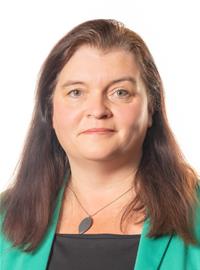
Sioned Williams
Tenures
- Sixth Senedd Brycheiniog Tawe Nedd Plaid Cymru
- Seventh Senedd Brycheiniog Tawe Nedd Plaid Cymru
Ministerial roles
- Deputy First Minister and Cabinet Minister for Social Justice and Equality Y Dirprwy Brif Weinidog a Gweinidog Cabinet dros Gyfiawnder Cymdeithasol a Chydraddoldeb
Contributions, by sitting day
166 contributions on record, newest first. Official verbatim record.
9
Open this sitting on the stage
10. Short Debate: Full-face coverings are against British values en
Diolch yn fawr, Lywydd. Before I start, I just want to say, it's been a sad day today. I stood in Aberfan this morning. I stood side by side with that community, which came together in unity in the face of such adversity. But it's been a terrible, shameful, shameless end to a sad day. A sad day indeed when those benches bring into this Siambr—those who are here to represent the whole of Wales, all our communities, all our citizens—that which seeks to divide those communities. I've listened carefully to the contributions this evening. I've been disturbed by such an unsettling sound, because, Llywydd, you don't have to strain hard at all, do you, anymore, to hear the dog whistle that has too often pierced political debates in this Chamber since the election in May? [Interruption.] Yes, Vikki.
10. Short Debate: Full-face coverings are against British values en
Absolutely, and properly represent their communities and the voice of their communities. Absolutely. That dog whistle varies in volume, it's always there, but it's getting louder. It lingers over those benches, a deliberately intangible thing that leaves too many wondering whether a line has been crossed. Llywydd, I am not afraid to speak up and say that, since May, that line has too often been crossed. It hides itself in plain sight: hateful speech dressed up as free speech over concerns—[Interruption.] No, we've heard enough from those benches, thank you very much. It lurks beneath what is disingenuously tonight presented as the language of common sense and—I'm not taking interventions—in today's case, British values. [Interruption.] Llywydd, can I carry on? I want the Members who have spoken in support of this debate to know that not only do we hear you but we see you. We see you for what you are. We see you weaponising discontent, driving division and stirring hate. We see you in this debate conflating the intimidating behaviour of thugs—those whose protests can descend into disorder and violence, often in demonstrations directed against migrants or Muslims—with the very people who are targeted by that intimidating behaviour. Llywydd, let me say clearly that I do not accept the premise that face coverings are in themselves contrary to our values. Such a catch-all position ignores the many legitimate reasons why face coverings are worn. People's rights to do so can, of course, be subject already to lawful and proportionate restrictions when necessary, including to prevent crime and disorder. But the justification comes from the situation and the behaviour, not from a judgment that covering one's face in itself is unacceptable and dangerous.
10. Short Debate: Full-face coverings are against British values en
Yes.
10. Short Debate: Full-face coverings are against British values en
Absolutely. And the people of Neath showed—. We had a food fair recently where they were there out in the street. They had never had so much support and so many donations after those. The people of Neath came out and they spoke in support of the fine men and women of the RNLI. One of the reasons for wearing a face covering is, of course, an important one that I am determined to use my voice to defend: religious expression. The values of our nation are centred not on exclusion but on respect, and we as representatives of our communities should respect people of every religion within them and we should never suggest that they are in any way less or inferior because they exercise their human right to freedom of religion. People of every religion or belief should feel that they belong in Wales. I do not accept that a face covering worn by an individual for religious reasons means they don't share British or Welsh values. Nor should we suggest that someone belongs any less because their religious practice differs from that of others. Framing religious dress as contrary to British values without demonstrating any harm that justifies interference with fundamental rights risks deepening division rather than strengthening cohesion. But this is clearly Reform UK's aim here. The Jewish people of 1930s Germany were subject to the Nuremberg laws that stated they were no longer German, laws that led to their persecution and extermination by the state that stripped them of their German-ness, enabled by those who believed German-ness could not accommodate diversity. Who is the arbiter of Britishness or Welshness? Who decides that a woman who wears a face covering is less British or less Welsh? We have a moral duty and responsibility in this place to be careful about the language we use and the message we send and not to engage or encourage discrimination on the basis of race, religion or belief.
10. Short Debate: Full-face coverings are against British values en
What, stating history?
10. Short Debate: Full-face coverings are against British values en
Thank you. It was a statement of fact about what happened in Germany in the 1930s. The face coverings debate, when it is spoken about by Reform UK, is always referencing connection with religious dress. On 6 October, the deputy leader set out their position in this Chamber: they would ban the burqa and every full-face covering in public. The debate put forward on this subject in the Scottish Parliament also specifically references the burqa and niqab as the only face coverings mentioned. This dog-whistle politics, while almost always a disturbing undercurrent where Reform UK is concerned, pierces the surface of this debate and other debates more and more often. But then there are occasions where the racism, sexism and misogyny of Reform UK is plain to see. ITV's exposure Undercover: A Year in Reform, broadcast just a few days ago, recorded Reform UK members and representatives describing Asian families as parasites. A Reform candidate in Wales who was employed by the Member that brought this debate to the Chamber was recorded using abhorrent racist terms. Unsurprisingly, it also exposed the misogyny and sexism within the party—so much for a party who so often claims to want to protect women and girls. And we, as women of all races and religions, stand as one against this behaviour, this language and the so-called values of your party.
10. Short Debate: Full-face coverings are against British values cy
Ni ddylai neb ddweud wrth fenyw beth i wisgo. Mae parch at fenywod yn golygu parch at bob menyw—parchu bod pob menyw yn gallu gwneud ei dewisiadau ei hunan. Roedd ffigurau'r Swyddfa Gartref a gyhoeddwyd yr wythnos diwethaf yn dangos cynnydd o 13 y cant mewn troseddau casineb crefyddol a gofnodwyd gan yr heddlu yn ystod y flwyddyn hyd at Fawrth eleni. Gyda chyfanswm o 11,419 o droseddau wedi eu cofnodi, o'r rheini roedd cynnydd o 15 y cant mewn troseddau casineb sy'n targedu Mwslimiaid. Rhannodd ymatebwyr brofiadau o gael eu hymosod yn gorfforol, eu bygwth, cael pobl yn poeri arnynt a gweld eu gwisg crefyddol yn cael ei gwawdio a'i thargedu.
Official English translation
No-one should tell a woman what to wear. Respect for women means respect for every woman—respecting the fact that every woman can make her own choices. Home Office figures published last week showed a 13 per cent increase in religious hate crimes recorded by the police during the year up to March of this year. With a total of 11,419 recorded offences, there was a 15 per cent increase in hate crimes targeting Muslims. Respondents shared experiences of being physically attacked, threatened, spat upon and having their religious attire mocked and targeted.
10. Short Debate: Full-face coverings are against British values en
These crimes aren't just happening in faraway towns and cities, as we heard from Kiera Marshall, they're happening in our communities. When I visited a mosque in September, members of the Muslim community told me about the profound impact that Islamaphobia is having on them and how that attack, in which a Welsh Muslim woman had had her hijab torn from her head, was affecting their sense of safety and belonging.
10. Short Debate: Full-face coverings are against British values en
I absolutely agree that it's shameful. And what's also shameful is the claim that Muslim women are somehow voiceless and forced to dress against their will. That's as sexist as it is Islamaphobic. These experiences and the stubbornly high rates of hate crime don't happen by accident, they happen by design. They do so by deliberately pitting communities against each other for political gain, which is as shameful as it is hateful. The philosopher Hannah Arendt, herself deemed 'un-German' and forced to flee her native land, warned that the death of human empathy is one of the earliest and most telling signs of a culture on the verge of descending into barbarism. What can stop that descent is the power and protection of universal human rights. So, if we are to talk about British values, let us talk first and foremost about those rights, those freedoms that are enshrined in British laws: the freedom of religion—everyone in Wales is protected by the Equality Act 2010 and the Human Rights Act 1998—a freedom that Reform appear to have a problem with. Because the pattern is always the same: they claim to be champions of freedom—[Interruption.]—no, I won't—but only when it fits their narrow and singular definition, a dangerous, exclusionary definition. We must never be bystanders to bigotry and hatred. And, Llywydd, this Government will always celebrate the plurality of our communities. We will always challenge those who claim that our differences divide us. Our values are demonstrated by how we treat one another. In her report on the war crimes trial of the Nazi Adolf Eichmann, Hannah Arendt suggested that his evil stemmed from an inability to think from the standpoint of someone else. That lack of empathy, that ability to see others as less, is what we must constantly guard against in this society. And that empathy must be expressed by those with power and influence through the language they use. So, finally, Llywydd, at a time when racism and Islamaphobia, fuelled by deliberate political discourse, are becoming increasingly normalised, we should remind ourselves that we, as elected Members in this Chamber, hold a position of privilege and of power. Our words matter and we can't afford to stay silent. [Applause.]
5
Open this sitting on the stage
-
Diolch yn fawr iawn, Ddirprwy Lywydd, ac rwy'n cyflwyno'r cynnig i gymeradwyo Gorchymyn Eithriadau Gwarchod Plant a Gofal Dydd (Dirymu a Darpariaeth Drosiannol) (Cymru) (Diwygio) 2026. Mae hwn yn offeryn diwygio byr a thechnegol sy'n ofynnol i gadw'r llyfr statud yn glir, yn gywir ac yn gyson. Bydd Gorchymyn Eithriadau Gwarchod Plant a Gofal Dydd (Dirymu a Darpariaeth Drosiannol) (Cymru) (Diwygio) 2026 yn disodli Gorchymyn Eithriadau Gwarchod Plant a Gofal Dydd (Cymru) 2010 o 1 Ebrill 2027. O ganlyniad i ddirymu a disodli Gorchymyn eithriadau 2010 gyda Gorchymyn eithriadau 2026, rhaid diweddaru cyfeiriadau at Orchymyn eithriadau 2010 mewn deddfwriaeth bresennol. Mae'r Gorchymyn diwygio hwn yn gwneud y newidiadau angenrheidiol hynny. Mae'r Gorchymyn diwygio hwn yn disodli cyfeiriadau perthnasol at Orchymyn eithriadau 2010 yn y llyfr statud gyda chyfeiriadau at Orchymyn eithriadau 2026. Nid yw'r Gorchymyn diwygio hwn yn newid y polisi a nodir yng Ngorchymyn eithriadau 2026. Nid yw'n creu unrhyw ddyletswyddau newydd, nid yw'n gwneud unrhyw newidiadau i brosesau presennol, ac nid yw'n gosod unrhyw ofynion newydd ar ddarparwyr, teuluoedd na chyrff cyhoeddus. Ymgynghorwyd ar y cynigion ar gyfer Gorchymyn eithriadau 2026 yn 2025. Rwy'n fodlon nad oedd angen ymgynghoriad pellach ar gyfer yr offeryn diwygio canlyniadol hwn oherwydd bod ei newidiadau yn fân a thechnegol. Mae'r Gorchymyn diwygio hwn yn diweddaru croesgyfeiriadau deddfwriaethol yn unig i sicrhau bod y llyfr statud yn gywir. Rwy'n ymwybodol bod angen diwygiadau canlyniadol pellach i ddeddfwriaeth sydd o fewn cymhwysedd Llywodraethau'r Deyrnas Gyfunol a'r Alban. Mae'r rhain yn ddiwygiadau mân a thechnegol i ddiweddaru cyfeiriadau at Orchymyn eithriadau 2010 i sicrhau cysondeb a chywirdeb. Mae fy swyddogion yn gweithio gyda'r ddwy Lywodraeth i gefnogi'r diwygiadau hynny sydd i'w gwneud cyn i orchymyn eithriadau 2026 ddod i rym. Rwyf felly yn gofyn i'r Aelodau gymeradwyo'r Gorchymyn technegol angenrheidiol hwn. Diolch.
Official English translation
Thank you very much, Dirprwy Lywydd, and I move the motion to approve the Child Minding and Day Care Exceptions (Revocation and Transitional Provision) (Wales) (Amendment) Order 2026. This is a short and technical amending instrument that is required to keep the statute book clear, accurate and consistent. The Child Minding and Day Care Exceptions (Revocation and Transitional Provision) (Wales) (Amendment) Order 2026 will replace the Child Minding and Day Care Exceptions (Wales) Order 2010 from 1 April 2027. As a consequence of the revoking and replacing of the 2010 exceptions Order with the 2026 exceptions Order, references to the 2010 exceptions Order in existing legislation must be updated. This amendment Order makes these necessary changes. This amendment Order replaces relevant references to the 2010 exceptions Order on the statute book with references to the 2026 exceptions Order. This amendment Order does not alter the policies set out in the 2026 exceptions Order. It creates no new duties, makes no changes to existing processes, and imposes no new requirements on providers, families or public bodies. The proposals for the 2026 exceptions Order were consulted upon in 2025. I'm content that no further consultation was required for this consequential amendment instrument because its changes are minor and of a technical nature. This amendment Order only updates legislative cross-references to ensure that the statute book is accurate. I am aware that further consequential amendments are required to legislation within the competence of the United Kingdom and Scottish Governments. These are minor and technical amendments to update references to the 2010 exceptions Order to ensure consistency and accuracy. My officials are working with both Governments to support these amendments to be made prior to the 2026 exceptions Order coming into force. I therefore ask Members to approve this necessary technical Order. Thank you.
-
Diolch yn fawr am y cyfraniadau a dwi'n diolch hefyd am waith y Pwyllgor Deddfwriaeth. Fel y soniais i, mae hwn yn offeryn technegol â ffocws penodol nad yw'n ailagor nac yn newid y polisi sydd ym mhrif Orchymyn eithriadau 2026. Felly, ei bwrpas, yn syml, yw diweddaru cyfeiriadau mewn deddfwriaeth bresennol, a bydd hyn yn sicrhau bod y llyfr statud yn parhau i fod yn glir ac yn gyson pan ddaw Gorchymyn eithriadau 2026 i rym ar 1 Ebrill 2027. Mae'r diwygiadau canlyniadol hyn, felly, yn angenrheidiol ar gyfer gweithrediad trefnus y gyfraith. Maen nhw'n sicrhau bod deddfwriaeth yn cyfeirio at y Gorchymyn eithriadau yn gywir ac yn gyfredol o'r man cychwyn. Felly, dyna oedd diben y cynnig ger ein bron ni heddiw, ac rwy'n gofyn i'r holl Aelodau gefnogi'r cynnig a chymeradwyo'r Gorchymyn diwygio. Diolch.
Official English translation
Thank you very much for the contributions, and I'm grateful for the Legislation Committee's work. As I mentioned, this is a focused and technical instrument that does not reopen or alter the policy contained in the principal 2026 exceptions Order. So, its purpose is simply to update references in existing legislation, and this will ensure that the statute book remains clear and consistent when the 2026 exceptions Order comes into force on 1 April 2027. These consequential amendments are, therefore, necessary for the orderly operation of the law. They ensure that legislation refers to the correct and current exceptions Order from the point of commencement. So, that was the purpose of the motion before us today, and I ask all Members to support the motion and to approve the amendment Order. Thank you.
8. Legislative Consent Motion: The Armed Forces Bill cy
Diolch yn fawr, Ddirprwy Lywydd. Dwi'n cyflwyno'r cynnig ac yn argymell bod y Senedd yn cydsynio i'r darpariaethau perthnasol ym Mil y Lluoedd Arfog 2026, fel sydd wedi'u nodi yn y cynnig cydsyniad deddfwriaethol sydd wedi'i osod ar y Bil hwn. Mae'r Bil yn cyflwyno darpariaethau ar draws ystod eang o feysydd sy'n ymwneud â'r lluoedd arfog, mewn meysydd datganoledig a meysydd sydd wedi'u cadw'n ôl. Mae'r rhain yn cynnwys: adnewyddu Deddf y Lluoedd Arfog 2006; ehangu'r ddyletswydd gyfreithiol i roi sylw dyladwy i gyfamod y lluoedd arfog i gynnwys Llywodraeth y Deyrnas Gyfunol a'r Llywodraethau datganoledig; creu gwasanaeth tai amddiffyn newydd i wella ansawdd tai amddiffyn a'r cyflenwad ohonyn nhw; gwella'r mesurau sy’n amddiffyn rhag ymddygiad rhywiol a threisgar, stelcio ac aflonyddu; a moderneiddio cymorth i ddioddefwyr troseddau'r lluoedd arfog. Rŷn ni'n credu bod nifer o ddarpariaethau yn y Bil yn ymwneud â gwasanaethau datganoledig, ac mae ein memorandwm cydsyniad deddfwriaethol yn adlewyrchu hynny. Mae Llywodraeth y Deyrnas Gyfunol yn cytuno â ni bod cymal 2 o gyfamod y lluoedd arfog yn sbarduno proses y memorandwm cydsyniad deddfwriaethol. Rŷn ni hefyd o'r farn y gall cymalau sy'n ymwneud â gwasanaeth tai amddiffyn newydd, cymorth i ddioddefwyr yn system cyfiawnder y lluoedd arfog, rheoli troseddwyr, a Chymdeithas Lluoedd Arfog Wrth Gefn a Chadetiaid gael effaith ar feysydd datganoledig. Bydd yr Aelodau'n gwybod yn iawn am gyfamod y lluoedd arfog: yr addewid y byddwn ni gyda'n gilydd, fel cenedl, yn cydnabod ac yn deall y dylai'r rhai sy'n gwasanaethu neu sydd wedi gwasanaethu yn y lluoedd arfog, a'u teuluoedd, gan gynnwys y rhai sydd wedi cael profedigaeth, gael eu trin yn deg ac na ddylent wynebu anfantais. Mae ymestyn dyletswydd gyfreithiol cyfamod y lluoedd arfog drwy'r Bil hwn yn rhywbeth rŷn ni, felly, yn ei groesawu fel Llywodraeth, ac mae'n cyd-fynd â'n hymrwymiad ni yn ein rhaglen lywodraethu. Mae ein cefnogaeth i wasanaethau fel gwasanaeth iechyd Cymru i gyn-filwyr, swyddogion cyswllt y lluoedd arfog, a Cefnogi Plant Milwyr mewn Addysg yng Nghymru yn enghreifftiau o'r ffyrdd rŷn ni'n sicrhau bod y cyfamod yn rhywbeth gweladwy i gymuned y lluoedd arfog. Rŷn ni'n sicrhau camau ymarferol, nid dim ond geiriau. Bydd y ddyletswydd hon yn ein dal ni i gyfrif, ynghyd â chyrff cyhoeddus eraill, ac rŷn ni'n croesawu hynny. Bydd elfen cyfamod y Bil hefyd yn ehangu'r ddyletswydd bresennol i 11 maes polisi ychwanegol, gan gynnwys gofal plant, gofal cymdeithasol, trethiant personol a thrafnidiaeth. Mae hyn yn ehangu hyd a lled y ddyletswydd yn sylweddol. Dwi wedi pwysleisio i Lywodraeth y Deyrnas Gyfunol fod rhaid i'r adnoddau, yr hyfforddiant a'r arweiniad fod ar gael i'r holl gyrff sy'n ddarostyngedig i'r ddyletswydd, er mwyn ei gwreiddio a sicrhau ei bod yn gwneud gwahaniaeth i gymuned y lluoedd arfog. Ddirprwy Lywydd, mae Bil y Lluoedd Arfog 2026 yn rhoi llwyfan addas i wneud yn siŵr bod gwasanaethau a pholisïau yn ystyried amgylchiadau cymuned y lluoedd arfog yn briodol, a hynny ledled y Deyrnas Gyfunol. Yn yr un modd, mae'n cynnig ffordd o wella tai i deuluoedd y lluoedd arfog a gwella mesurau amddiffyn i ddioddefwyr troseddau'r lluoedd arfog. Mae hefyd yn rhoi mwy o warchodaeth rhag ymddygiad rhywiol a threisgar, stelcio ac aflonyddu ar gyfer y rhai yn y lluoedd arfog, gan gynnwys y rhai sydd wedi'u lleoli yma yng Nghymru. Dwi'n ddiolchgar i'r Pwyllgor Deddfwriaeth a'r Pwyllgor Cydraddoldeb, Hawliau Dynol a Chyfiawnder Cymdeithasol, ac yn diolch i'r Aelodau am graffu ar y Bil. Dwi'n nodi bod y ddau bwyllgor yn cytuno â'n hasesiad o'r darpariaethau yn y Bil sy'n gofyn am gydsyniad y Senedd. Dwi hefyd yn ymwybodol bod y Pwyllgor Deddfwriaeth wedi nodi nad oedd y terfyn amser o bythefnos ar gyfer gosod y memorandwm cydsyniad deddfwriaethol wedi'i fodloni, ac nad oeddwn i wedi cadarnhau argymhelliad ar gydsyniad i ddechrau. Rŷn ni'n cydnabod yr anawsterau y mae oedi o ran gosod memoranda cydsyniad deddfwriaethol yn eu hachosi i waith craffu effeithiol pwyllgorau. Dwi'n cydnabod hefyd bwysigrwydd gosod memoranda cydsyniad deddfwriaethol cyn gynted â phosib, yn hytrach na'u gohirio nes bod Llywodraeth Cymru wedi dod i gasgliad terfynol o ran ei hargymhelliad. Dwi'n cydnabod pwysigrwydd darparu argymhellion clir i'r Senedd ar femoranda cydsyniad deddfwriaethol cyn gynted â phosib i gefnogi gwaith craffu effeithiol. Roeddwn i'n gallu hysbysu'r pwyllgorau o'n safbwynt unwaith yr oedd yr ohebiaeth â Llywodraeth y Deyrnas Gyfunol wedi digwydd. O ran newidiadau i gwmpas dyletswydd a chanllawiau'r cyfamod, bydd yr Aelodau yn ymwybodol fy mod i wedi ysgrifennu at Lywodraeth y Deyrnas Gyfunol ym mis Gorffennaf yn gofyn am ofyniad i gael cydsyniad Gweinidogion Cymru, gan sicrhau mesurau diogelu cyfansoddiadol cryfach ar gyfer rôl Gweinidogion Cymru mewn perthynas â'r cyfamod. Dwi'n falch fod y pwyllgor wedi cefnogi fy safbwynt ond yn siomedig na wnaeth Llywodraeth y Deyrnas Gyfunol gytuno i'r cais hwnnw. Dwi wedi rhannu fy ngohebiaeth gyda Llywodraeth y Deyrnas Gyfunol, lle codais nifer o faterion yn ymwneud â'r Bil, gyda'r ddau bwyllgor a'r holl Aelodau. Dwi'n gobeithio bod hynny wedi bodloni'r pwyntiau a godwyd gan y Pwyllgor Cydraddoldeb, Hawliau Dynol a Chyfiawnder Cymdeithasol ynglŷn â'r sicrwydd a gefais gan Lywodraeth y Deyrnas Gyfunol, a byddaf yn trafod y rhain gyda Gweinidog y Deyrnas Gyfunol pan fyddwn i'n cyfarfod. Dwi wedi ymrwymo i Lywodraeth Cymru weithio gyda Lywodraethau eraill y Deyrnas Gyfunol i sicrhau bod y cyfamod yn cyflawni ar gyfer cymuned y lluoedd arfog. Dyw hynny ddim yn golygu bod pob gwasanaeth ledled y Deyrnas Gyfunol yn cael ei ddarparu yn yr un modd; mae'n golygu bod pob gwasanaeth yn cydnabod anghenion ac amgylchiadau cymuned y lluoedd arfog. Wrth symud i weithredu, os caiff y Bil hwn ei basio, byddaf yn sicrhau bod Llywodraeth Cymru yn parhau i weithio'n agos gyda'n partneriaid a'n rhanddeiliaid yng Nghymru. Mae hyn yn cynnwys grŵp arbenigol y lluoedd arfog, grŵp trawsbleidiol y Senedd ar y lluoedd arfog a'r cadetiaid, ein fforymau lluoedd arfog rhanbarthol a rhwydwaith lluoedd arfog Cymdeithas Llywodraeth Leol Cymru. Yn bwysicaf oll, byddwn ni'n parhau i ymgysylltu â chymuned y lluoedd arfog ac yn gwrando ar eu hanghenion a'u profiadau wrth lywio gwasanaethau a chymorth yn y dyfodol.
Official English translation
Thank you very much, Dirprwy Lywydd. I move the motion, and I recommend that the Senedd does consent to the relevant provisions in the Armed Forces Bill 2026, as is outlined in the legislative consent motion laid for this Bill. The Bill introduces provisions across a broad range of areas related to the armed forces, in devolved and reserved areas alike. These include: renewing the Armed Forces Act 2006; expanding the legal duty to give due regard to the armed forces covenant to include the UK Government and the devolved Governments; to create a new defence housing service to improve standards in defence housing and their supply; improving the measures that safeguard against sexual and violent conduct, stalking and harassment; and modernising support for victims of crimes committed by the armed forces. We believe that a number of the Bill's provisions relate to devolved services, and our legislative consent memorandum reflects this. The UK Government agrees with us that clause 2 of the armed forces covenant initiates the legislative consent memorandum process. We are also of the view that clauses related to the new defence housing service, the support of victims in the justice system with regard to the armed forces, the management of criminals, and the Reserve Forces' and Cadets' Associations may impact devolved areas. Members will be familiar with the armed forces covenant: the pledge that we will together, as a nation, recognise and understand that those who serve or who have served in the armed forces, and their families, including those who have faced bereavement, should be treated fairly and should not face disadvantage. Extending the legal duties of the armed forces covenant through this Bill is something that we therefore welcome as a Government, and it aligns with the commitment made in our programme for government. Our support for services like the Veterans' NHS Wales, armed forces liaison officers, and Supporting Service Children in Education in Wales are examples of the ways that we ensure that the covenant is visible to the armed forces community. We offer practical steps, not just warm words. This duty will hold us to account, alongside other public bodies, and we welcome this. The covenant element of the Bill will also expand the current duty to 11 additional policy areas, including childcare, social care, personal taxation and transport. This is a significant expansion of the duty's scope. I have emphasised to the UK Government that the resources, the training and the guidance must be available to all bodies subject to the duty so that it is truly embedded and to ensure that it makes a real difference to the armed forces community. Dirprwy Lywydd, the Armed Forces Bill 2026 provides a suitable platform for ensuring that the services and policies consider the armed forces community's circumstances appropriately the length and breadth of the UK. By the same token, it offers a way to improve housing for armed forces families and improves safeguarding measures for the victims of crimes committed by the armed forces. It also provides greater safeguards against sexual and violent conduct, stalking and harassment for members of the armed forces, including those based here in Wales. I'm grateful to the Legislation Committee and the Equality, Human Rights and Social Justice Committee, and I thank Members for their scrutiny of the Bill. I note that both committees agree with our assessment of the Bill's provisions that call for the Senedd's consent. I'm also aware that the Legislation Committee has noted that the deadline of a fortnight for laying the legislative consent memorandum was not met, and that I had not initially confirmed a recommendation for consent to be granted. We recognise the difficulties that delays in laying legislative consent memoranda can cause in terms of committee scrutiny. I also recognise the importance of laying legislative consent memoranda as soon as possible, rather than delaying them until the Welsh Government has come to a final conclusion in terms of its recommendations. I recognise the importance of providing clear recommendations for the Senedd on legislative consent memoranda as soon as possible to support effective scrutiny. I was able to inform the committees of our stance only when correspondence with the UK Government had been completed. In terms of the changes to the scope of the covenant's duties and guidance, Members will be aware that I wrote to the UK Government in July requesting a requirement for the Welsh Ministers to give their consent, thereby ensuring stronger constitutional safeguards for the role of Welsh Ministers in relation to the covenant. I'm pleased that the committee supported my stance but am disappointed that the UK Government did not agree to this request. I have shared my correspondence with the UK Government, in which I raised a number of matters related to the Bill, with both committees and all Members. I hope that this has answered the points raised by the Equality, Human Rights and Social Justice Committee regarding the assurances that I received from the UK Government, and I will be discussing these with the relevant UK Minister when we meet. I'm committed that the Welsh Government will work with the other Governments of the UK to ensure that the covenant delivers for the armed forces community. This does not mean that every service across the United Kingdom is going to be provided in the same way; it means that every service recognises the needs and circumstances of the armed forces community. As we move towards implementation, if this Bill is passed, I will ensure that the Welsh Government continues to work closely with our partners and stakeholders in Wales. This includes the armed forces expert group, the Senedd's cross-party group on the armed forces and cadets, our regional armed forces fora and the Welsh Local Government Association's armed forces network. Most important of all, we will continue to engage with the armed forces community and we'll listen to their needs and experiences as they navigate services and support in future.
8. Legislative Consent Motion: The Armed Forces Bill en
Diolch yn fawr, Ddirprwy Lywydd. In closing this debate, I'd like to thank both the committees and the Members for their contributions to today's debate. I think holding this debate today ensures that the Senedd's views are heard and represented in the passage of this important legislation. That passage is ongoing. The UK Government has today tabled further amendments to the Bill. So, if these amendments are deemed as requiring a further LCM, I will ensure the Senedd are updated and a supplementary LCM is laid. I want to respond firstly to the points made by the Chair of the Legislation Committee. I absolutely recognise, and I said this in my opening remarks, the importance of providing the Senedd with clear recommendations on legislative consent memoranda at the earliest opportunity to support effective scrutiny. However, I also recognise the importance of laying legislative consent memoranda as soon as possible, rather than delaying them until the Welsh Government has reached a conclusion on its recommendation. I was able to inform the committees of the position once those discussions with the UK Government had taken place. As regards the requirement for the new Government to consider this Bill in detail in light of its manifesto commitments, that's why the initial two-week deadline for laying this LCM for the Bill wasn't met. We recognise the difficulties that delayed LCMs cause for effective scrutiny; nonetheless, we are committed to the effective discharge of the legislative consent process and adherence to the two-week deadline. As regards my recommendation, the Bill makes provision about the armed forces covenant legal duty of due regard, both extending its application to the Welsh Government and extending the policy areas it applies to. We have a programme for government commitment, as I outlined, to uphold the principles of the covenant, and I think this duty will help us and other public bodies to uphold the covenant by requiring the armed forces community to be considered when key decisions on policy are taken. I want to turn to the points made by the Chair of the human rights, equality and social justice committee—I still want to call it ESJ. On the specific points that you made, I welcome the committee's support for some of the points that I made in my correspondence to the committee. I just want to quickly touch on some of the points that you made, specifically around housing, because I think that the committee raised valid points around the DHS and the disposal of surplus defence land in Wales, which could support our house-building goals. I'm pleased that Welsh Government and MOD officials met on 14 September to discuss this issue and others relating to the DHS. I just want to give assurance that my officials have agreed to work in partnership to explore any opportunities defence land may present in terms of house building and other Government priorities, and I'll update the Senedd as soon as these discussions develop. I'd also like to make Members aware that, on 30 November, I will be taking a paper to Cabinet regarding our approach to the armed forces covenant to co-ordinate our work across Government and drive progress in the area. We've also convened a Wales covenant conference before that, on 19 November, in Swansea, bringing together the armed forces, UK Government, public bodies and the private and third sectors to share best practice and explore the challenges we need to address collectively around the covenant, many of which have been highlighted by Members across the Siambr today.
8. Legislative Consent Motion: The Armed Forces Bill cy
I gloi, dwi'n credu y dylai cefnogaeth i gymuned y lluoedd arfog ein huno ni i gyd yn y Siambr hon. I gydnabod effeithiau cadarnhaol y Bil hwn, dwi'n argymell bod y Senedd yn cefnogi'r Bil ac yn rhoi ei chydsyniad. Diolch.
Official English translation
To conclude, I believe that support for the armed forces community should unite us all in this Chamber. To recognise the positive effects of this Bill, I recommend that the Senedd supports the Bill and gives its consent. Thank you.
34
Open this sitting on the stage
1. Questions to the Deputy First Minister and Cabinet Minister for Social Justice cy
Diolch am y cwestiwn.
Official English translation
Thank you for the question.
1. Questions to the Deputy First Minister and Cabinet Minister for Social Justice en
We are supporting households across Brycheiniog Tawe Nedd through targeted measures, including cost-of-living support, access to the Warm Homes programme, free school meals expansion, childcare, and funding for local authority and community-based schemes that provide access to advice, services and financial support.
1. Questions to the Deputy First Minister and Cabinet Minister for Social Justice en
Diolch yn fawr. I do recognise the specific way that poverty and deprivation can affect rural areas in particular. So, one of the things that I did was make sure that, when I announced funding for local authorities that provides support for wider poverty prevention activities and also emergency food aid, which include those community hubs where preventative services are provided, that funding also included an allocation for rural local authorities, a rural allocation, recognising the added challenges of delivering support in rural areas. That rural premium element has been included on a test-and-learn basis, to recognise the additional challenges, as the Member has outlined, and also the costs that rural local authorities and other services can face when delivering cost-of-living and poverty support. On your broader question, obviously, a fair and prosperous Wales, the whole of Wales, is the long-term vision of this Government, and it's reasserted in our programme for government. A key part of this vision is to support rural areas by policies across Government designed to bring tangible benefits to our rural communities. Our rural communities are diverse, they have diverse needs, they face challenges due to geography and distance and cost and scalability. And we know about ageing population in rural areas, lack of employment opportunities, lower wages and, of course, infrequent transport provisions. So, we're bringing forward a legislative duty on rural-proofing, and that's expected to bring long-term benefits to rural communities, considering their specific circumstances, and, of course, that is something that will apply across all Government policies.
1. Questions to the Deputy First Minister and Cabinet Minister for Social Justice cy
Diolch yn fawr i chi am y cwestiwn atodol yna, yn benodol am Frycheiniog Tawe Nedd—mae'n etholaeth, wrth gwrs, dwi'n ei rhannu. Ond, fel y dywedais i, rŷn ni fel Llywodraeth yn hollol benderfynol bod y cymorth rŷn ni'n gallu ei ddarparu, a'r gefnogaeth rŷn ni'n gallu ei darparu, yn cyrraedd y rhai sydd fwyaf mewn angen, gan gynnwys yr aelwydydd hynny sy'n wynebu heriau ychwanegol a chostau ychwanegol sy'n ymwneud â bod yn rhan o ardal wledig, fel y gwnes i osod mas yn fy ateb yn gynharach. Rŷn ni'n credu bod awdurdodau lleol gyda'r wybodaeth a'r ddealltwriaeth orau o ran sut i gefnogi'r cymunedau hynny. Felly, rŷn ni wedi rhoi i'r awdurdodau lleol yna ganllawiau i fynd gyda'r cyllid y gwnaeth yr Aelod gyfeirio ato fe, i sicrhau bod y cyllid yna yn mynd at y rhai sydd ei angen fwyaf, ond hefyd bod gyda nhw ddisgresiwn i ddefnyddio'r cyllid yna ar gyfer y prosiectau a'r cynlluniau fyddai'n cael yr effaith fwyaf. Byddwn ni'n gweithio'n agos nawr gyda'n partneriaid ni i sicrhau ein bod ni'n edrych ar sut y mae'r cyllid yna yn cael effaith, pwy fydd yn cael eu cyrraedd, pa mor effeithiol fydd e, fel roeddwn i'n dweud, gyda'r system brofi a dysgu yna, er mwyn sicrhau bod y cyllid yn cael ei ddefnyddio'n effeithiol.
Official English translation
Thank you very much for that supplementary question, specifically about Brycheiniog Tawe Nedd, which is a constituency, of course, that I share. But, as I said, we as a Government are determined that the support that we can provide does reach those who are most in need, including those households that are facing additional challenges and additional costs related to being part of a rural area, as I set out in my earlier answer. We believe that local authorities have the best understanding and information on how to support those communities. So, we have given those local authorities guidelines to go with the funding that the Member referred to, to ensure that that funding does go to those who need it most, but also that they have some discretion to use that funding for the projects and schemes that would have the biggest impact. We will work closely now with our partners to ensure that we look at how that funding is having an effect, who it reaches, and how effective it will be, as I said, with this test-and-learn system, to ensure that that funding is being used effectively.
1. Questions to the Deputy First Minister and Cabinet Minister for Social Justice cy
Diolch am y cwestiwn. Mae'n rhaid i'r gofal plant sy'n cael ei ariannu fod yn hyblyg i deuluoedd ac yn realistig hefyd i ddarparwyr. Felly, rŷn ni'n gweithio gydag awdurdodau lleol a darparwyr cofrestredig i ehangu'r ddarpariaeth mewn ffordd gynaliadwy. Bydd symud tuag at 20 awr yr wythnos yn caniatáu sesiynau hirach, mwy hyblyg er mwyn cefnogi rhieni i weithio, hyfforddi neu gynyddu eu horiau.
Official English translation
Thank you for the question. Funded childcare must be flexible for families and deliverable for providers. We are working with local authorities and registered providers to expand provision sustainably. Moving towards 20 hours a week will enable longer, more flexible sessions to support parents to work, train or increase their hours.
1. Questions to the Deputy First Minister and Cabinet Minister for Social Justice cy
Dwi'n ddiolchgar iawn am y cwestiwn. Dwi'n meddwl eich bod chi wedi rhoi eich bys ar y peth yna, Mike. Hynny yw, rŷn ni wedi cael llythyron gan etholwyr—ac mae e'n dod o bob rhan—ac mae nifer fawr o Aelodau yn y Siambr yn pwysleisio'r pwynt yma, yn croesawu nod y Llywodraeth o ehangu'r ddarpariaeth a sicrhau tegwch, fel ein bod ni'n gallu cyrraedd y plant hynny a'r teuluoedd hynny sydd ar hyn o bryd ddim yn cael eu cyrraedd gan y model presennol. Rŷn ni hefyd yn gwybod bod y model yn un cymhleth a bod pobl weithiau yn colli mas ar gefnogaeth, ond hefyd rhai eraill ddim yn gallu mynd at y gefnogaeth hynny oherwydd y model daearyddol. Rwy'n falch iawn, yn Abertawe, fod y sir eisoes wedi cyflwyno cam cyntaf y gofal plant sy'n cael ei ariannu gan Lywodraeth Cymru ar gyfer pob plentyn dwy flwydd oed, 12.5 awr, ac felly fe fyddwn ni nawr yn symud at y cam nesaf yna o ddarparu mwy o oriau yr wythnos, gan hefyd sicrhau ein bod ni'n adeiladu ar yr ymyriadau hynod o bwysig a gwerthfawr yna i'r teuluoedd sydd fwyaf mewn angen.
Official English translation
I'm extremely grateful for that question. I think you've put your finger on it there, Mike. We have received letters from constituents—and this comes from all areas—and many Members of the Chamber have also emphasised that very point, welcoming the Government's objective of expanding provision and ensuring fairness, so that we can reach those children and families who, at the moment, aren't reached by the current model. We also know that the model is a complex one, and that people sometimes lose out on support, but others can't even access the support because of that geographical model. I am very pleased that, in Swansea, the county has already introduced the first phase of the funded childcare provided by the Welsh Government for all children of two years of age, at 12.5 hours, and so we will move now to that next step of providing more hours a week, thereby ensuring that we do build on those very important and valuable interventions for those families most in need.
1. Questions to the Deputy First Minister and Cabinet Minister for Social Justice cy
Diolch yn fawr, a dwi'n cydnabod hefyd yr ymgyrchu mae'r Aelod wedi'i wneud ar y cwestiwn o ran argaeledd a chost gofal plant, ac effaith hynny nid yn unig ar deuluoedd mewn tlodi, ond hefyd o ran anghydraddoldeb rhywedd sy'n effeithio'n bennaf, wrth gwrs, ar fenywod. Felly, fe wnaethoch chi sôn yn fanna am ddadansoddiad Sefydliad Bevan ynglŷn â'r model newydd a ddylai fod, neu'r model gorau a all fod, ar gyfer darparu gofal plant i bawb mewn ffordd sydd yn deg ac yn cyrraedd y nod. Dwi'n cytuno gyda hynny—bod yna heriau ac mae yna benderfyniadau pwysig sydd angen eu gwneud—ond hefyd fod yna, fel y mae Sefydliad Bevan wedi tanlinellu, gyfle nawr i wneud pethau'n wahanol ac yn well. Dwi'n cytuno bod y system ar hyn o bryd yn rhy gymhleth ac yn rhy gostus, felly hyn sydd wrth waelod ein rhaglen ni ar gyfer datblygu ac ehangu a gwneud yn siŵr bod y system sydd gyda ni yn esblygu er gwell. Felly, dwi'n meddwl, o ran yr amserlen, y byddwch chi'n gwybod ein bod ni wedi sôn am gymryd proses gam wrth gam. Mae hynny'n hanfodol er mwyn sicrhau ein bod ni'n gwneud hyn mewn ffordd sy'n gynaliadwy ac yn cymryd i ystyriaeth anghenion rhieni a darparwyr. Felly, fe fyddaf i yn gallu rhoi—. Rŷn ni wedi gweld cynnydd gwych ar hyn o bryd, fel gwnaeth yr Aelod sôn. Fe fyddwn ni'n gallu dweud erbyn diwedd y flwyddyn ariannol yma—felly, llai na blwyddyn o oes y Llywodraeth yma—y bydd pob plentyn dwy flywydd oed yn gallu cael cynnig o ofal plant ble bynnag maen nhw'n byw o 12.5 awr, ac fe fyddaf i'n diweddaru'r Senedd yn nes ymlaen y tymor hwn, siŵr o fod ar ddechrau Rhagfyr, ynglŷn â beth fydd y camau nesaf.
Official English translation
Thank you, and I recognise as well the campaigning that the Member has done on the availability and cost of childcare and the effect of that not only on families in poverty, but also in terms of gender inequality that affects women mostly. You mentioned the analysis made by the Bevan Foundation in terms of the new model that should, or the best model that could, provide childcare to all in a way that is fair and reaches the aim. I agree with that—that there are challenges and important decisions that need to be made—but also, as the Bevan Foundation has underlined, that there is an opportunity now to do things differently and better. I agree that the system currently is too complex and too costly, and that's at the heart of our programme for developing and expanding and making sure that the system we have evolves for the better. So, I think, in terms of the timetable, you'll know that we have spoken about taking a step-by-step approach that's essential to ensure that we do this in a sustainable manner and that takes into consideration the needs of providers and parents. Therefore, I will be able to—. And we have seen excellent progress, as the Member mentioned. We will be able to say by the end of this financial year—so, in less than a year of this Government's time—that every two-year-old child can be offered childcare wherever they live of 12.5 hours, and I will update the Senedd later on this term, probably at the beginning of December, as to what the next steps will be.
1. Questions to the Deputy First Minister and Cabinet Minister for Social Justice en
I can absolutely give you that guarantee. Obviously, we do see a lot of families taking up the Flying Start offer, but, because it's limited geographically, there are many families, especially, we know, and there are more children in poverty who live outside Flying Start areas than actually live within Flying Start areas. So, this is why we're getting to grips with this model, because it isn't as effective as it could be. This is a Government that has prevention at its heart in everything we do, and we absolutely recognise the contribution that the other elements, besides childcare, of Flying Start can provide. So, we recognise the huge contribution that that workforce, specifically on the non-childcare elements of Flying Start, provide and the importance of their work. So, the end goal is a childcare and an early years system that includes that preventative element that is easier for families to navigate and is clearer for partners to deliver, and is better able to support all children who need that intervention.
1. Questions to the Deputy First Minister and Cabinet Minister for Social Justice cy
Diolch am y cwestiwn.
Official English translation
Thank you for the question.
1. Questions to the Deputy First Minister and Cabinet Minister for Social Justice en
I think there's a fundamental misunderstanding here. The Equality and Human Rights Commission's code of practice for services, public functions and associations, which came into force on 5 August, means that we have to comply with our legal duties as a Government in respect of the Equality Act 2010. All bodies and service providers must themselves ensure that they're complying with the law. The Welsh Government of course expects all organisations to comply with the law, and we've clearly stated that. But the application then means careful consideration of the guidance in each situation. It is the responsibility of all the bodies and service providers to do that. The EHRC is the regulator to ensure that that is happening. They are responsible for monitoring compliance with equality and human rights law, ensuring that public authorities and other duty bearers meet their obligations. That isn't a responsibility of the Government.
1. Questions to the Deputy First Minister and Cabinet Minister for Social Justice en
You can. You can use your second question to do that.
1. Questions to the Deputy First Minister and Cabinet Minister for Social Justice en
Perhaps you can write to the EHRC to get clarity.
1. Questions to the Deputy First Minister and Cabinet Minister for Social Justice en
The figures will become clear in the forthcoming draft budget. You will be able to scrutinise that, the committees will be able to scrutinise that, and, of course, questions can be asked here of Ministers around their spending plans. You're asking about progress. In terms of the money that we've already spent, you'll know that there was £55 million in total allocated in the supplementary budget, which we have put to work in terms of expanding childcare and also with some capital grants to enable that to happen. So, 78.9 per cent of all two-year-olds are now offered childcare. Over 13,000 new two-year-olds have been offered a childcare place. Over 9,900 new two-year-olds attended their funded childcare, and over 2,000 of those children attended funded childcare in a Welsh-medium setting. As I said, we are now expecting, and I've had assurances from local authorities—. Many Members in the Chamber will probably see this happening now—their local authorities putting out that offer to parents of that age group. That's happening progressively in the way that we said it would. And then, by the end of the financial year, all two-year-olds in Wales, in every single local authority, will be offered 12.5 hours of funded childcare. I think there are quite a lot of statistics there for you.
1. Questions to the Deputy First Minister and Cabinet Minister for Social Justice cy
Diolch am y cwestiwn.
Official English translation
Thank you for the question.
1. Questions to the Deputy First Minister and Cabinet Minister for Social Justice en
We are of course, as I'll reiterate again, absolutely committed to upholding the principles of the armed forces covenant, ensuring fair access to healthcare, housing, employment, education, skills and training for veterans and their families. The covenant is absolutely a social justice issue, reducing the potential for disadvantage from serving in the armed forces. By and large, service in the armed forces does lead to positive outcomes. I have submitted a legislative consent memorandum to the Senedd in respect of the Armed Forces Bill, including its plans for broadening the armed forces covenant. The covenant, of course, doesn't specify outcomes or targets. It's about consideration. It's about understanding why there needs to be a specific way of working, to be adapted insofar as the services that veterans may come in contact with, to reduce that disadvantage and to afford a special consideration. It's clear that plans for broadening the armed forces covenant will impact the way we work, and so we need to consider policy now across a broad range of areas through that armed forces lens. We already have the ways and means to do that in other areas, of course, through our integrated impact assessment process.
1. Questions to the Deputy First Minister and Cabinet Minister for Social Justice en
I just want to reflect first of all that there seems to be the suggestion that there's some kind of malign motivation behind the fact that we want to evolve this model, and there absolutely isn't. Local authorities, of course, have been engaged with us from the very beginning. There’s a WLGA representative on the expert group, and has been from the early days of this Government, because we started work on this commitment, as you would expect, immediately after the Cabinet was formed. They have always been fully in the loop. As regards the moving away from that model, that's absolutely not what this is about. It's about evolving what it is. The main reason why we want to call something Welsh Government-funded childcare is for the very reason, as I outlined earlier, that people, now we’re making a universal offer, don't think they're eligible, because they're so used to the Flying Start geographical cliff edge that means that somebody in one street is eligible and somebody on the other street isn't. So, what we wanted to do in the promotion of our rolling out of universal childcare is make that clear. That was the sole motivation: it was a communication to make it clear to parents that they were now eligible for that universal offer.
1. Questions to the Deputy First Minister and Cabinet Minister for Social Justice en
That is absolutely our intention. You will know, as the former Chair—. I think you conducted an inquiry when you were Chair of the Children, Young People and Education Committee in the Senedd before last. I think you did an inquiry on outreach and on how that approach wasn't reaching all those in need. So, I know that you understand this well. We've used that Flying Start model as the current vehicle for the first phase of our expansion of childcare, but, of course, we have to make sure that the support that is available is available for all children, for all the reasons that your committee inquiry pointed out. At the same time as delivering that universal childcare offer, we have to look at options to enhance the early years support that we're providing, to make sure it does get to all those children. The majority of children in poverty in Wales do not live in Flying Start areas, and therefore are not able to avail themselves of it. When I say 'enhance', that would mean that the children within those Flying Start areas who are currently receiving that support absolutely will not be losing out.
1. Questions to the Deputy First Minister and Cabinet Minister for Social Justice en
Diolch. The Member is absolutely right as regards economic prosperity. Making sure that we have well-paid jobs and jobs that pay fairly and have fair work conditions is absolutely key to making sure that we can lift families out of poverty. But I do reject the narrative around dependency on benefits. People are eligible for those benefits because their income is currently not sufficient to make sure that they are able to live with dignity and meet their essential needs. I think there is a fundamental difference of values and principles between us on this. We will absolutely make sure that every penny that this Government spends—and, obviously, the Member knows that welfare policy is not devolved to Wales—goes to those who most need that support. And of course, we will not be quibbling about who is eligible for that support. If they are in need, if they are in poverty, if they are disabled and need our help, then we will help them.
1. Questions to the Deputy First Minister and Cabinet Minister for Social Justice en
Well, I'm glad that you agree with me and I hope you were listening carefully to the action we are taking on affordable childcare. That's why it's one of our main priorities as a Government and one of the main policies that, of course, I'm working on. It's a transformational, complex policy, but we absolutely know that it is fundamental to making sure that we can make those costs less for families and also give them the opportunity to be able to get back into the labour market and also increase their hours and get back into training and education. On the point on how we're doing things differently, well, I have already said and set out, and reiterated this in my scrutiny session in committee last week, that I am not going to be throwing the baby out with the bath water as regards the child poverty strategy. But I do think that it needs a tighter focus and I do think that it needs measurable targets and milestones for us to make sure that what we are doing is having the desired effect and the intended effect. So, I have already started work on developing and focusing in on what that more honed child poverty strategy can look like, and, as I said, including thinking about how we can evaluate as we go along, making sure we measure our progress. So, we will be working on that, we're developing it with stakeholders, considering, then, how to report on that progress to show what impact we are having. And I've already met with our external reference group and I've also met across Cabinet as well. We've got a cross-Cabinet taskforce on this very issue to make sure that we are aligned on our ambitions for that strategy and the types of targets we think will be useful to guide our work.
1. Questions to the Deputy First Minister and Cabinet Minister for Social Justice cy
Diolch yn fawr am y cwestiwn. Gan ddefnyddio'r cyllid ychwanegol y gwnaethon ni ei gyhoeddi yn gynharach eleni, rwyf wrth fy modd bod Powys yn gallu cyflwyno cam cyntaf y cynnig gofal plant a ariennir gan y Llywodraeth o 12.5 awr o ofal o ansawdd i bob plentyn dwy oed o fis Ionawr 2027.
Official English translation
Thank you very much for the question. Using the additional funding we announced earlier this year, I am delighted that Powys is able to roll out the first phase of the Government funded childcare offer of 12.5 hours of quality childcare for all two-year-olds from January 2027.
1. Questions to the Deputy First Minister and Cabinet Minister for Social Justice cy
Diolch. Ie, mae gofal plant hyblyg yn hanfodol, dwi'n meddwl, er mwyn cefnogi teuluoedd gyda chostau byw, a hynny ar draws Cymru ac ar draws pob ardal, er mwyn galluogi rhieni, fel roeddwn i'n sôn, i fanteisio ar fwy o gyfleoedd i weithio, i astudio, neu gynyddu eu horiau nhw, ac, wrth gwrs, er mwyn rhoi'r dechrau gorau hefyd i bob plentyn. Felly, rŷn ni'n datblygu'r cynnig gofal plant yna, a'r flaenoriaeth, fel roeddwn i'n sôn, oedd cynnig y 12.5 awr yma i bob plentyn ar draws Cymru—ac mae Powys yn dangos eu bod nhw'n mynd i fod yn gwneud cynnydd ar hynny yn fuan iawn, felly, dwi wrth fy modd. Ac mae disgwyl i'r system geisiadau yna agor i bob teulu ym Mhowys erbyn diwedd Tachwedd.
Official English translation
Thank you. Yes, flexible childcare is crucial, I think, in order to support families with the cost of living, across Wales and in every area, in order to enable parents, as I mentioned, to take up more opportunities to work, to study or to increase their hours, and, of course, to give the best possible start to every child too. So, we are developing that childcare offer, and the priority, as I mentioned, was the offer of 12.5 hours for all children across Wales—and Powys has demonstrated that they will be making progress on that very soon, so I am delighted. And the applications system is expected to open to all families in Powys by the end of November.
1. Questions to the Deputy First Minister and Cabinet Minister for Social Justice cy
Diolch yn fawr iawn am y cwestiwn atodol yna.
Official English translation
Thank you very much for that supplementary question.
1. Questions to the Deputy First Minister and Cabinet Minister for Social Justice en
We are committed to ensuring that childcare expansion works for families in all parts of Wales, and that's including rural communities, where provision can be more dispersed and can be more fragile. So, we already have some flexibility in the system through guidance, through funding and local authority planning. But we are, as a part of this expansion programme, actively looking at what more can be done to ensure childcare hours and transport solutions and capital investment all respond to the specific needs of rural communities. So, local authorities use childcare sufficiency assessments and annual action plans to identify those gaps in provision, including those rural challenges, and we continue to support practical solutions, then, such as co-locations with schools and community hubs. We also recognise that childminders are really important as well in rural communities, and so we're working with partners, including Cwlwm, to support workforce development, business sustainability and provider capacity.
1. Questions to the Deputy First Minister and Cabinet Minister for Social Justice cy
Mae gwasanaethau swyddfeydd post yn chwarae rôl hanfodol wrth gefnogi cymunedau. Mae'r materion hyn, wrth gwrs, wedi'u cadw'n ôl o fewn cylch cyfrifoldeb Llywodraeth y Deyrnas Gyfunol, ac mae'r Llywodraeth honno wedi datgan mai ei nod yw cadw cymaint o ganghennau a gwasanaethau â phosibl.
Official English translation
Post office services play a vital role in supporting communities. These matters, of course, are reserved and are the responsibility of the UK Government, and that Government has stated that their aim is to retain as many branches and services as possible.
1. Questions to the Deputy First Minister and Cabinet Minister for Social Justice cy
Diolch, Lindsay, am y cwestiwn. Yn gyntaf oll, rwy'n moyn cydnabod y pryder pan fo cymuned yn colli gwasanaethau. Dwi'n gwybod bod nifer ohonom ni wedi gweld hyn yn ein cymunedau dros y blynyddoedd, ar y stryd fawr o ran banciau yn benodol, ac, yn yr un modd, weithiau, pan fo gwasanaeth post yn dod i ben.
Official English translation
Thank you, Lindsay, for the question. First of all, I want to acknowledge the concern when a community loses services. I know a number of us have seen this in our communities over the years, on the high street in terms of banks specifically, and, in the same way, sometimes, when post office services come to an end.
1. Questions to the Deputy First Minister and Cabinet Minister for Social Justice en
I just want to let the Member know that I actually met with the Post Office, with Post Office Ltd, yesterday. Again, as I said, they provided reassurance to maintain the network, as is their duty. I'm pleased to say that the Post Office Ltd confirmed to me that they have—because I did raise this topic specifically around post office services in Caerphilly—received expressions of interest to run the post office service in Caerphilly, and these are now currently being reviewed. So, that process, from expressions of interest to being, typically, open, takes up to six months. So, I hope that that will give your constituents assurance that we, hopefully, will see that post office service resume in your area.
1. Questions to the Deputy First Minister and Cabinet Minister for Social Justice cy
Rwy'n cydnabod yn llwyr y gofidiau yma. Dwi'n siŵr, eto, eu bod nhw'n gyfarwydd i ni i gyd. Mae'r gwasanaethau yn rhai hanfodol iawn i'n cymunedau ni, yn enwedig i bobl sydd, efallai, ddim yn medru defnyddio, neu does yna ddim argaeledd, trafnidiaeth gyhoeddus ac yn y blaen, er mwyn mynd i'r dref nesaf. Maen nhw'n rhan bwysig o'n canol trefi a'n strydoedd mawr, a dyna yw safbwynt y Llywodraeth, yn sicr. Wrth gwrs, eto, dyw materion sy'n ymwneud â swyddfeydd post ddim wedi eu datganoli i Weinidogion Cymru. Fel y soniais i yn yr ateb cynharach, mae ymrwymiad Llywodraeth y Deyrnas Gyfunol i swyddfeydd post yn cynnwys cynlluniau i gadw maint y rhwydwaith fel y mae, ac mae hynny'n golygu chwilio wedyn am fusnesau newydd i gynnig y gwasanaeth pan fydd swyddfeydd post unigol yn cau. Ond mae hefyd yn cynnwys ymrwymiad i leoli swyddfeydd post yng nghanol trefi, lle y bo'n bosibl. Achos, fel roeddwn i'n dweud, dwi'n cytuno—rŷn ni'n gwybod, onid ydyn ni, fod presenoldeb swyddfa bost yn cynyddu nifer yr ymwelwyr â stryd fawr, yn ogystal, wrth gwrs, â darparu'r gwasanaethau hanfodol yna. Mae ein rhaglen lywodraethu ni yn cynnwys ymrwymiad i archwilio'r opsiynau yna i adfywio canol ein trefi, felly, wrth gwrs yn gysylltiedig â'n gwaith ni o ran y tasglu canol trefi rŷn ni wedi ei sefydlu. Felly, dwi'n siŵr y byddai sicrhau bod swyddfeydd post yn gallu bod yn rhan o strydoedd mawr bywiog yn gallu bod yn rhan o'r gwaith yna.
Official English translation
I fully recognise those concerns. I'm sure that they are familiar to us all. Those services are crucial to our communities, particularly for people who perhaps can't use public transport or there is no transport available to take them to the next town. They are an important part of our town centres and high streets, and that is the Government's view, most certainly. But, again, issues related to post offices are not devolved to Welsh Ministers. As I mentioned in an earlier response, the UK Government's commitment to post offices includes plans to retain the size of the network as it is, and that means looking for new businesses to offer those services when individual post offices close. But it also includes a commitment to locate post offices in town centres, where possible. Because, as I said, I agree—we know that post offices increase the number of visitors to the high street, as well as providing those crucial services. Our programme for government does include a commitment to look at those options to rejuvenate our town centres, and that links to our work in terms of the town-centre taskforce that we've established. So, I'm sure that ensuring that post offices can be part of vibrant high streets could be part of that work too.
1. Questions to the Deputy First Minister and Cabinet Minister for Social Justice cy
Rŷn ni'n cydnabod bod teuluoedd mewn ardaloedd gwledig yn gallu wynebu rhwystrau ychwanegol, gan gynnwys mynediad mwy cyfyngedig at gyflogaeth, gwasanaethau a thrafnidiaeth, ynghyd â chostau uwch. Dyna pam mae ein rhaglen lywodraethu yn cynnwys ymrwymiad i ddeddfu ar gyfer prawfesur gwledig, er mwyn helpu i sicrhau canlyniadau gwell i blant sy'n byw mewn tlodi mewn ardaloedd gwledig.
Official English translation
We recognise that rural families can face additional barriers, including restricted access to employment, services and transport, as well as higher costs. That is why our programme for government includes a commitment to legislate for rural-proofing, helping to deliver better outcomes for children living in poverty in rural areas.
1. Questions to the Deputy First Minister and Cabinet Minister for Social Justice cy
Diolch yn fawr. Dwi'n meddwl bod defnyddio'r enghraifft yna y gwnaethoch chi ddefnyddio fanna o ran Aberporth, rhywle dwi'n siŵr bod nifer ohonom ni wedi ymweld ag e—lle hyfryd, lle mor bert, ond mae yna rywbeth cudd, yntefe? Ac mae Llywodraeth Cymru yn cydnabod bod tlodi gwledig yn aml yn llai gweladwy na thlodi sydd yn ein trefi a'n dinasoedd ni, ond dyw e ddim yn llai real. Rŷn ni'n benderfynol fel Llywodraeth o sicrhau bod plant a theuluoedd mewn cymunedau gwledig yn cael y cymorth sydd ei angen arnynt. Dylai pob plentyn yng Nghymru, lle bynnag maen nhw'n byw, gael yr un cyfle i lwyddo. Felly, rŷn ni eisiau sicrhau bod ein hymrwymiad o ran ein polisïau yn arddangos hynny, a'n bod ni'n cymryd hynny i ystyriaeth ym mhopeth rŷn ni'n ei wneud. Felly, rŷn ni'n cydnabod bod llawer o deuluoedd yn wynebu heriau penodol, fel rydw i wedi sôn yn gynharach, o ran enillion is a chostau teithio ac ynni uwch, ac yn y blaen, ac mae'n anodd hefyd weithiau cael mynediad at y gwasanaethau a'r cymorth maen nhw eu hangen. Felly, dyna pam rŷn ni wedi sicrhau y cymorth yma i deuluoedd ledled Cymru yn ein pecyn cymorth trechu tlodi, sydd yn werth bron £5 miliwn, sy'n cynnwys y cymorth penodol yna i gymunedau gwledig a chanolfannau, fel yr oedd yr Aelod yn sôn amdanynt, i gynllunio a helpu'r rhai sy'n wynebu'r pwysau ariannol mwyaf.
Official English translation
Thank you very much. I think that using that example you used there in terms of Aberporth, somewhere that I'm sure a number of us have visited—a very beautiful place, a pretty place, but there is something hidden, isn't there? And Welsh Government recognises that rural poverty quite often is less visible than poverty in our towns and cities, but it's no less real. We are determined as a Government to ensure that children and families in rural communities have the support they need. Every child in Wales, wherever they may live, should have the same opportunity to succeed. So, we want to ensure that our commitment in terms of our policies shows that, and that we take that into consideration in everything that we do. So, we recognise that many families are facing specific challenges, as I've mentioned earlier, in terms of lower pay and higher transport and energy costs, and so on, and also sometimes it's difficult to access the services and support they require. So, that's why we have ensured that support is available to families throughout Wales in our tackling poverty programme, which is worth about £5 million and includes that specific support for rural communities and centres, such as the Member mentioned, to plan and to help those who are facing the greatest financial pressures.
1. Questions to the Deputy First Minister and Cabinet Minister for Social Justice cy
Diolch am y cwestiwn.
Official English translation
Thank you for the question.
1. Questions to the Deputy First Minister and Cabinet Minister for Social Justice en
I'd like to clarify the reason why it says 'seek to pilot': it's because there's a very important decision that needs to be made by the UK Treasury, because what we don't want to do with Cynnal is make families worse off. We want to make them better off. So, that means the UK Treasury has to give a benefit and tax disregard. We heard some encouraging signs in an interview with Andy Burnham during the Labour conference on that. It's something, of course, that I've been pressing on with the UK Treasury, and so of course has the Cabinet Minister for Finance, because we want them to allow us to—. We have the powers to pilot the payment, but what we don't have are the powers over that tax and benefit disregard. So, that's why we are saying 'seek to pilot', because we don't have—. We wouldn't want to do something if we didn't have that assurance from UK Treasury that it wouldn't make families worse off. We are preparing to implement that pilot. We've commissioned an expert team to help lead on that design, thinking about then, obviously, again, the monitoring and evaluation. We want it to be effective. We've already met four times, and we're meeting again in a few weeks' time. It's been an intense piece of work. It's an intense process because we do want to make sure that we can get this payment out to families—a payment that has proven so successful in Scotland in lowering rates of child poverty—out to children who are in need as soon as we possibly can.
1. Questions to the Deputy First Minister and Cabinet Minister for Social Justice en
Tackling child poverty is central to our programme for government. We are already delivering on our commitments on free school meals and the childcare offer, as well as developing our Cynnal child payment. Our new child poverty strategy will include clear, measurable targets to improve outcomes for children and families.
1. Questions to the Deputy First Minister and Cabinet Minister for Social Justice cy
Diolch yn fawr am y cwestiwn.
Official English translation
Thank you very much for that question.
1. Questions to the Deputy First Minister and Cabinet Minister for Social Justice en
We are, as I said, already making progress on the preparation of that implementation of the Cynnal pilot, the Welsh child payment. We have heard views and evidence on how such a payment could make a real tangible difference to families, so we want to make sure that we design a pilot that can demonstrate that. That expert group I was referring to earlier, which I'm co-chairing with Steffan Evans from the Bevan Foundation, is meeting regularly, as I said, to help with that design, help with the implementation, so it launches on a real sound and evidence-based footing as soon as that preparation is complete. On the tax and benefit disregards, I met with Baroness Sherlock, who's Minister of State in the Department for Work and Pensions, to discuss our ambitions around child poverty more broadly, and also the Cynnal payment. She has agreed to work with us to explore how we can ensure those payments do not impact on tax and benefits. And also, on the implementation piece, it's around how we can share DWP data as well, for delivery purposes. So, our officials are working together to take this forward.
15
Open this sitting on the stage
-
Diolch yn fawr, Lywydd. Dwi'n falch iawn o roi'r diweddariad yma heddiw ar y gwaith i ddatblygu camau a chostau cychwynnol ymrwymiad uchelgeisiol y Llywodraeth yma i ddarparu cynnig gofal plant i bob teulu. Bydd yr Aelodau yn ymwybodol bod y Llywodraeth wrthi'n cyflwyno proses raddol i ehangu cynnig gofal plant i bob teulu sydd wedi'i ariannu, ac, o'i weithredu'n llawn, mai hwn fydd y cynnig mwyaf hael yn y Deyrnas Gyfunol, gan ddarparu 20 awr o ofal wedi'i ariannu bob wythnos, am 48 wythnos o'r flwyddyn, i bob plentyn rhwng naw mis a phedair oed. Yn fy marn i, ac ym marn y Llywodraeth, ac ym marn pob arbenigwr ar dlodi a datblygiad plant, nid rhywbeth y byddai'n braf ei gael yw darpariaeth gofal plant ehangach, ond mae'n gwbl hanfodol. Dyw 'A ddylen ni fod yn ehangu gofal plant wedi'i ariannu neu beidio?' ddim yn gwestiwn i'w drafod. Mae'r diffyg gofal plant fforddiadwy yn broblem gymdeithasol i'w datrys, ac o'i datrys, fe fyddwn ni'n creu manteision sy'n ymestyn i gydraddoldeb rhywedd, datblygiad cynnar plant, mynd i'r afael â thlodi, cefnogi ein heconomi, a gwella iechyd a chyrhaeddiad addysg ein plant. Ar ôl datgan gyda balchder ein nod i ddarparu cynnig gofal plant i bob teulu, a ninnau nawr 57 o ddiwrnodau i mewn i dymor y Llywodraeth hon, rŷn ni wedi bwrw iddi ac yn gwneud cynnydd rhagorol. Rŷn ni wedi bod yn cydweithio ar ein cynlluniau gyda chynrychiolwyr y sector a llywodraeth leol drwy'r grŵp arbenigol sydd wedi ei sefydlu gennym ni, ac rŷn ni eisoes wedi cyhoeddi cyllid o £55 miliwn ychwanegol drwy'r gyllideb atodol tuag at gam cychwynnol y rhaglen ehangu. Fel rhan o'r broses o ddatblygu ein maniffesto, fe wnaethon ni gyfrifo'n ofalus gostau ehangu'r cynnig gofal plant, a nodi'r cyllid ychwanegol yr oedd ei angen er mwyn mynd ati i'w ehangu'n llawn. A ninnau nawr yn Llywodraeth, mae swyddogion wedi creu modelau economaidd pellach. Ar y sail honno, rŷn ni'n datblygu costau cliriach gan ystyried y rhagdybiaethau sydd y tu ôl iddyn nhw. Mae'r modelau sydd wedi'u creu hyd yma yn awgrymu y bydd costau craidd ehangu ein cynnig yn llawn, ar sail prisiau heddiw, yn galw am £375 miliwn yn ychwanegol y flwyddyn. Amcangyfrif canolig yw hyn, ac mae gwaith ar y gweill gyda'n heconomegwyr a'n dadansoddwyr i brofi a modelu cyfres o elfennau newidiol, sy'n cynnwys y costau ar bob cam ehangu a'r niferoedd posibl a fydd yn manteisio ar y cynnig. Yn unol â chyngor ein grŵp llywio arbenigol ar ehangu gofal plant, fe fyddwn ni'n ystyried nid dim ond costau'r gweithlu, ond ystod o ffactorau, gan gynnwys hyfforddiant a datblygiad, anghenion dysgu ychwanegol, cymorth awdurdodau lleol a chyfalaf. Mae lefel y cyllid ychwanegol sydd ei angen, a nodwyd gan waith economegwyr Llywodraeth Cymru hyd yma, yn gyson â gwaith manwl Plaid Cymru wrth baratoi i wneud yr ymrwymiad polisi hwn. Ein nod clir yw bod teuluoedd yn gallu cael mynediad at ofal plant mwy fforddiadwy a symlach, mwy cyson i bob plentyn rhwng naw mis a phedair oed ledled Cymru erbyn diwedd y tymor seneddol hwn. Bydd angen gofal wrth osod trefn ar y camau i'w dilyn i gyrraedd y nod, ynghyd â gwaith partneriaeth a phenderfyniadau cyllido wrth symud ymlaen, ond rŷn ni'n benderfynol o gynnal y momentwm. Mae'r data diweddaraf, a gyhoeddwyd ar 1 Gorffennaf, yn dangos ein bod ni bellach yn cynnig gofal plant wedi ei ariannu i bron 75 y cant o blant dwy oed ledled Cymru yn 2025-26. Fodd bynnag, rŷn ni am fynd ymhellach a sicrhau bod yr hyn a addawyd gan y Llywodraeth Lafur ddiwethaf, ond na chyflawnwyd ganddi, yn cael ei weithredu'n llawn. Dwi eisiau inni gyrraedd ein holl blant dwy oed cyn gynted â phosibl, a dwi'n pwyso ar awdurdodau lleol i gwblhau'r cam cyntaf hwn erbyn diwedd y flwyddyn ariannol. Dyma beth mae teuluoedd eisiau ei weld ac yn ei haeddu. Ar ddechrau tymor y Llywodraeth hon, roedd tri awdurdod lleol wedi llwyddo i gynnig 12.5 awr o ofal wedi'i ariannu i bob plentyn dwy oed. Mae un awdurdod lleol arall wedi cyrraedd pob plentyn dwyflwydd oed y mis diwethaf. Ac mae 16 awdurdod lleol arall eisoes wedi cadarnhau, yn sgil y cyllid ychwanegol y byddwn yn ei fuddsoddi drwy'r gyllideb atodol, y byddan nhw'n gallu cyflwyno'r ddarpariaeth yn llawn erbyn diwedd y flwyddyn ariannol hon, sy'n arddangos ein hymrwymiad i ddarparu ein cynnig newydd i deuluoedd ledled Cymru. Mae swyddogion yn gweithio'n agos gyda'r ddau awdurdod lleol sy'n weddill er mwyn deall sut i'w cefnogi i ddarparu i'r pwynt hwn.
Official English translation
Thank you very much, Llywydd. I'm very pleased to provide this update today on the work to develop the initial phasing and costs of the Government's ambitious commitment to deliver a universal childcare offer. Members will be aware that the Government is introducing a phased expansion of funded universal childcare, which, at full roll-out, will be the most generous offer in the UK, providing 20 hours of funded childcare each week, for 48 weeks of the year, for all children aged from nine months to four years old. In my view, and the view of the Government, and in the view of every expert on poverty and child development, the expansion of childcare is not merely a 'nice to have', but it's absolutely essential. Whether or not to expand funded childcare is not a question to discuss. The lack of affordable childcare is a societal problem to solve, and in solving it, we will deliver benefits that span across gender equality, early child development, tackling poverty, supporting our economy, and improving our children's health and educational outcomes. Having stated with pride our aim of delivering a universal childcare offer, and with us now 57 days into this Government term, we have progressed with this and made excellent progress. We have been working on our plans with local government and sector representatives through the newly established expert group, and we have already announced an additional £55 million of funding through the supplementary budget to support the initial phase of the expansion programme. As part of the process of developing our manifesto, we carefully costed an expanded childcare offer, and we identified the additional funding required to deliver the full expansion. And now in Government, officials have undertaken further economic modelling. On that basis, we are developing clearer costs, considering the assumptions behind them. The modelling undertaken so far suggests that, at today's prices, the core costs of the full expansion of our offer will require an additional £375 million a year. This is a mid-point estimate, and work is ongoing with our economists and analysts to test and model a range of variables, which includes the costs at each phase of expansion and potential take-up rates. As advised by our expansion of childcare expert steering group, we will also take into account not only workforce costs, but a range of factors, including training and development, additional learning needs, local authority support and capital. The level of additional funding required, indicated by Welsh Government economists to date, aligns with the detailed work undertaken by Plaid Cymru in preparation to make this policy commitment. Our clear aim is that families of all children from nine months to four years across Wales should be able to access a more affordable, simpler, more consistent childcare offer by the end of this Senedd term. Achieving this aim will require careful sequencing, along with partnership working and ongoing funding decisions, but we are determined to maintain the momentum. The latest data, published on 1 July, shows that we are now offering funded childcare to nearly 75 per cent of all two-year-olds across Wales in 2025-26. However, we want to go further and ensure that what was promised by the previous Labour Government, but not delivered, is fully implemented. I want us to reach all our two-year-old children as quickly as possible and I am urging local authorities to complete this first phase by the end of this financial year. This is what families want and deserve. At the start of this Government term, three local authorities had succeeded in completing the roll-out of 12.5 hours of funded childcare to all two-year olds. One other local authority has reached every two-year-old child last month. And 16 more local authorities have already confirmed that, with the additional funding that we will invest through the supplementary budget, they'll be able to move to a full roll-out by the end of this financial year, which demonstrates our commitment to deliver our new offer to families across Wales. Officials are working closely with the remaining two local authorities to understand how they can be supported to deliver this phase at this point.
-
Partnership working is a key element of delivery, and I met local authorities and Cwlwm earlier today as part of a workshop to discuss the practical challenges and opportunities of delivery and how to work together to deliver accessible childcare to more families at pace. The childcare landscape in Wales is unnecessarily complex—for providers, partners and parents—and we are building on existing programmes, entitlements and delivery arrangements, while looking honestly at complexity, barriers and unnecessary burdens. I am determined to maintain momentum and enable local authorities and providers to move as quickly as possible through the phases of delivery. So, after rolling out 12.5 hours for all two-year-olds, the focus will be on increasing provision for two-year-olds to 20 hours and 48 weeks. We will consider flexibility on the pace of the roll-out, based on local circumstances, encouraging expansion to go further and faster where possible, so that families are supported quickly. Some areas and providers will be able to increase hours, weeks or both more quickly than others, however, I am encouraging and expecting a laser focus on delivering this commitment. In areas that have already rolled out 12.5 hours, they will be encouraged to take the next step of expansion, offering additional hours and weeks of the year, depending on practicalities locally. And, in parallel, I want local authorities to start working with all providers to roll out the expanded offer to three and four-year-olds on a universal basis, and will be working with officials later this year to plan the resources and funding that this will require. This element will build on nursery education and will ensure that all children in this cohort, not just those whose parents meet the current eligibility criteria, will be able to access the benefits and enrichment of quality childcare. We will sequence this carefully, building on our existing offers for two-year-olds and three and four-year-olds, before moving to the final phase: 20 hours of universal childcare for children aged nine months to two years.
-
Bydd cynyddu'r ddarpariaeth cyfrwng Cymraeg ar draws yr holl gamau hyn yn elfen allweddol o'n hymrwymiad, fel cam cyntaf pwysig i gefnogi mynediad i addysg cyfrwng Cymraeg. Byddwn yn parhau i weithio'n agos gyda Mudiad Meithrin a phartneriaid eraill i sicrhau bod hyn yn elfen graidd ar draws pob cam o'r ehangu.
Official English translation
Increasing Welsh-medium provision throughout all of these phases will be a key element of our commitment, as an important first step to support entry into Welsh-medium education. We will continue to work closely with Mudiad Meithrin and other partners to ensure this is a core element across all phases of the expansion.
-
The childcare workforce is central to expansion, which depends on the capacity, skills and support needed to deliver high-quality provision. Our economists and analysts are developing projections of how many staff we will need and where we will need them as we work through the delivery of these next phases. In partnership with the sector, we are exploring ideas and developing options to support workforce growth. We will produce a workforce plan that will outline how we will support the growth, recruitment and retention of the childcare workforce, improving working conditions and career pathways. I fully expect that Members and colleagues—and, most importantly, parents and carers—will continue to monitor our further announcements as we deliver on this commitment. But it is a pleasure to be here to not just discuss but begin to deliver universal funded childcare. We are moving the dial for children and families after years of treating childcare support as an optional add-on. We know that this will require significant investment. We know that this is an ambitious, complex commitment, but it is absolutely the right thing to do. Wales has the highest childcare costs in the UK, with many households spending more than their rent or mortgage on childcare costs. Women are disproportionately affected by this, and Wales has a persistent gender pay gap. Wales has some of the poorest children who cannot currently access the benefits of early years provision. We are making our commitment to change this a reality by delivering a childcare system that works for children and families. Diolch yn fawr.
-
Diolch am y cwestiynau.
Official English translation
Thank you for those questions.
-
It does baffle me, you know. You said that this was very much welcomed on the doorstep. Well, we've seen the result of that, haven't we? We know that for years and years anti-poverty researchers and people who are trying to promote equality in Wales and in our society have seen this as a keystone, a foundational part of addressing that inequality. And yet all we get from Reform is talk about a worst-case scenario, a financial liability. And, of course, you didn't even mention it in your manifesto, because you had not realised, actually—. Or perhaps you're just not interested in reducing inequality. But this Government is, and this Government is delivering. You asked me about delivery. I have just outlined to you the first phase and the initial costing of that. I have told you that by the end of this financial year, working with our partners in local authorities and providers, every child that is two years old in Wales will be entitled to 12.5 hours of childcare. That's the first phase. We have delivered at pace on that. We are delivering at pace on that. When we came into this Government, three local authorities had managed to achieve that after many years of this being a Welsh Government policy under the last administration. So, I'm not going to take the criticism that we are not delivering. We absolutely are. Fifty-seven days into this Government, we absolutely are delivering on this first phase. I've been extremely clear from the beginning. Perhaps you weren't listening to the debate. Perhaps you would have done better in the election if you had. But our party made it absolutely clear that this was a phased plan. Anyone who knows anything about childcare is going to understand the complexity of the current system. I suggest you do a little bit of reading in order to see what the complex landscape is at the moment. That's why we have an expert group steering us in this work. I have also mentioned the midpoint. As I set out in my statement, there are variables here. There are variables as regards the modelling, and that's the work we're doing. The figure that I set out is the midpoint of the take-up that we have seen in other parts of the UK that have similar demographics, which we could then reasonably expect would be reflected here in Wales. But, of course, we know that the full cost of this modelling—. The maximum is usually about 80 per cent take-up. The additional funding that would be needed would be between £250 million and £500 million. The £375 million is a midpoint estimate. The precise funding will always depend on take-up rates. We have to have estimates and modelling around all those scenarios. That's why the work is ongoing. It's not about making a plan, it's about making sure that we can deliver what is actually needed as we work through these phases. We will always be able to respond then to any emerging trends that we see happen. This is an ambitious policy. We would hope that, if we build it, they will come.
-
Diolch yn fawr for the questions. As regards Flying Start, as I've said, this isn't about—and I've said in previous statements, and I hope I've outlined it here again today—just adding hours; absolutely not. This is about taking a system-wide approach to transforming support for children in the early years. Childcare, as I said, is our manifesto commitment. It's absolutely a key part of that, and so, of course, the immediate priority is to make sure that we can start that work of rolling out what we've promised to the Welsh electorate, and then build, as I say, towards the next stages of expansion, as I've mapped out today. But the wider support services that are associated with early intervention and prevention programmes, such as Flying Start and Families First, of course, with that enhanced health visiting, with the parental support and speech, language and communication support, of course—they're absolutely fundamental to the preventative agenda of this Government. I absolutely recognise that they are vital for supporting children and families who need that additional help in the work that we want to do to reduce inequalities for disadvantaged children specifically. So, the expansion itself is focused on funded childcare, but as an absolute part of that work, we want to move towards a clearer, more consistent and more unified system across the piece, protecting the wider support that children have that helps them get the best start in life. So, that approach will evolve over time. As regards the workforce, you're absolutely right as regards the workforce. We know that we've got a lot of work to do here. That's why we're going to bring forward a specific plan. That will be in the autumn, because I think it will be aligned with what we're going to need to have conversations with the Cabinet Minister for Finance about. But our expert steering group absolutely has workforce planning at the top of its agenda, and we are listening to partners in the sector around what we can do, the creative solutions we can have and the incentivisation around recruitment and retention that we can bring forward there. So, as I say, it's absolutely central. We have to have the capacity, the skills and the support in place to deliver the provision that we want for our children. We're currently working on estimates, as I said, based on the modelling that we're doing. We'll turn that into a workforce plan, building on existing provision with our partners, with Social Care Wales, with local authorities and Cwlwm to have that sharp focus. As I said, it will build on existing provision, but we know we need to go further. You also asked me about the role of the expert steering group. The economist that you mentioned is one of the lead economists in the UK that looks at early years and childcare provision throughout the UK. He's published papers on what's happened, for instance, in England. That group, I think, very well represents the voices we need in the room, but it isn't limited, and that's in the terms of reference of the steering group. We do bring in independent experts and have presentations from them. We had somebody from the Department for Education last week, someone who was key in designing the roll-out in England, for us to be able to hear from him and also to hear about the lessons that need to be learned, because we don't want to replicate any of the unintended consequences that we've seen in some regards in what's happened with the roll-out in England. So, those unintended consequences or worsening inequalities are absolutely not what we want to have, and so we are thoroughly considering that. Diolch.
-
Diolch yn fawr am y cwestiynau.
Official English translation
Thank you for those questions.
-
In the first point, really, you were querying about the midpoint, and I think I've tried to explain. I think we said in our manifesto it was going to be around £400 million additional, so what we're seeing as the midpoint—that was modelled on a midpoint as well. It’s the common practice. So, the midpoint that we've modelled here is £375 million. But as I said, obviously—because this is demand-led, this is a new thing—we're hoping that all the discussion around childcare will make sure—. And the point you made around simplifying the process too—we know that many people don't take up childcare, not only because it's disjointed, but because it's difficult, it's complex and there are so many different eligibility thresholds, things you've got to apply for at different points during your child's life. So, I can assure you that the point around simplification and what that looks like, what that front door looks like, is absolutely part of this work as well. And my officials are already working on that. So, it isn't higher, actually; it's around the same as what we projected, but we do recognise, of course, that there are all kinds of variables as we push forward towards the next phases that we need to allow for. But I do welcome your support for this initiative, for this policy, and, as I said, I agree absolutely on your point around simplifying the system. On your point around the way this policy interacts with other policy areas, it does, obviously, around education. Part of this work is about—. We've seen, haven't we, it's been exacerbated since COVID, but we've seen for a long time that families do need more support in order to make sure that their children are ready to learn, and this is going to play a big part in that. So, I'm having conversations—I actually met yesterday again with the Cabinet Minister for Education and the Welsh Language. We are working on how we can measure that, how we can evaluate the effect that this will have on that readiness to learn while keeping that absolutely child-centred, that evaluation. So, it will interact across Government and, as I said, especially with health, the interventions, the team around the family, and that support we will absolutely retain, but in a different form as we roll out this universal system. You asked me about exactly how the additional funding from the supplementary budget was going to be utilised. We've said that we're going to invest an additional £55 million in the additional budget. So, hopefully, if you support this policy, you can support that budget this afternoon. Twenty million pounds of that will help to accelerate the roll-out, so that's the work we've indicated to local authorities that they're able to utilise in order to make sure that we get to the point where funded childcare is available to all two-year-olds in Wales by the end of this financial year. Then there's £10 million of capital funding, which is going to help enhance and expand childcare settings, improving quality and capacity and accessibility of early years provision. And then £25 million of that is going to be used to support the wider system, including managing rising demand, because we're talking about it a lot more now—it's been such a front-and-centre policy during the election. People are coming to access more provision, which is great. We need to make it easier for them and more affordable for them. We want to strengthen the long-term sustainability of providers, and that's something you talked about as well. And that is something that is absolutely crucial as well, and, again, is part of the work that we're doing. So, we're already investing in that, and, of course, supporting Welsh-medium childcare is part of that as well. So, on the last point on safeguarding, I think it is a really important point, and quality, you know, with the national minimum standard, which was updated last month. Wales has the highest national standards issued under the Children and Families (Wales) Measure 2010, and the Child Minding and Day Care (Wales) Regulations 2010, and Care Inspectorate Wales, of course is a regulatory body, so we will always make sure that anyone who is registered for providing day care and child minding will be inspected according to those regulations. We are looking at creative solutions. You know, I think we really need to consider child minders in this, who are constantly coming up as 'excellent' and 'good' when they're inspected. They provide such a valuable service for people who work irregular hours, especially in places where there isn't a density of population. So, we will absolutely be considering other models of provision as we roll this out.
-
Diolch yn fawr. I really do welcome the support. I'm really excited about this policy, and we saw that excitement on the doors, didn't we? Because I think you can compare it. When we deliver this, it will be up there with the most—well, the most—generous offer in the UK, certainly—world leading, actually. There are nations that are very much ahead of us, but I think that this is something that should be a real badge of honour for Wales. More than that, it won't be an empty badge of honour; this will be something that makes a real difference to people's lives. So, I think it's great to see the enthusiasm for this expansion. I'm hearing it from stakeholders and partners. It is a significant commitment, and, yes, it will require a substantial increase in workforce numbers. So, as I said, this is a key theme of the work of our expert group. We are developing those projections of how many staff we're going to need, where we're going to need them as we're working through these phases. A specific phase of that expansion is to extend the funded childcare to nine months to two years. We know that will require a step change in provision. This is completely new. The first two phases are building on something that is already provided in part. This will be new, so there will be specific actions needed there to grow the workforce. That'll be informed by the work we're currently doing. I'll update colleagues regularly as we reach that phase. Of course, Welsh-medium provision, as you would expect, is a core element of this expansion and a core concern of this Government. So, we're working closely with Mudiad Meithrin. The chief executive, Dr Catrin Edwards, is a member of the expert steering group. We are already taking measures now. We announced a new pilot scheme, which is coming through the National Centre for Learning Welsh, to build the Welsh language skills of our childcare workforce in order to increase that capacity.
-
This statement is specifically on the childcare expansion, but I accept, of course, that these things are linked. Play is within my portfolio; I'm not speaking about that today, but I would encourage you to ask me questions about that when I am here to answer questions on my broader portfolio. But I would say that ensuring children have access to childcare absolutely helps to socialise them, to bring out that play, which we know is absolutely key to children's development. As I said before, this is about making children also more ready for school and learning, getting into that foundation phase. But I would encourage you to perhaps ask me a question or write to me specifically about your concerns as regards play.
-
Diolch yn fawr am y cwestiwn.
Official English translation
Thank you very much for the question.
-
I absolutely agree that childcare costs across Wales are prohibitively high. One of the reasons for this policy is understanding that it will be a mitigation against the high cost of living for families. It will put money back in people's pockets, and parents, especially mothers, of course, can find themselves locked out of the labour market, and children then, of course, prevented from accessing all the benefits of quality childcare. So, as regards prioritisation, we're committed to make progress on the expansion as soon as we can. As I mentioned in my statement, we're making very good progress to offer childcare to all two-year-olds all over Wales, and we're urging all local authorities to work with us to complete this stage, and, as I say, the vast majority of them are there and will be there. So, at the moment, thousands of children across Wales don't get any childcare support, and so we're going to go from that current reality to a system where all families are able to access support, but we have to add to that support incrementally until we reach our full commitment. But by proceeding with and getting early momentum with this initial phase, I think, of getting 12.5 hours funded childcare to all two-year-olds, we're really laying the foundations of that truly universal funded childcare offer, which, as I say, is something only a handful of countries in the world have achieved.
-
Thank you for the question. I think I just answered the question in that we absolutely recognise the need for better benchmarking; we simply haven't got that in place. It exists in parts, but it isn't satisfactory and isn't measuring what we think we need it to measure. Having seen learning from childcare provision both in the UK and internationally, we can see that, for instance, 100 per cent is unlikely. However, as work continues on developing this policy, we are, as I said, going to respond to any emerging trend, and that will include demand. And we remain ready and willing—and that's why this work has to be planned and phased in this way, in order to respond to those things—to adjust and refine our plans. But this is an ambitious Government, as I said, and we fully hope that as many children as possible take up the offer that we'll be able to give them.
-
Diolch yn fawr i'r Aelod am y cwestiwn, a diolch yn fawr am y gefnogaeth ac am y gwaith ymgyrchu rŷch chi ac eraill yn y Siambr yma wedi ei wneud ar y pwnc polisi hollbwysig yma. Dwi'n falch eich bod chi'n rhannu ein huchelgais ni ar gyfer plant Cymru, a dwi'n gwybod eich bod chi. O ran y llais yna ar y panel, mae Cwlwm, fel y gwnaethoch chi sôn, wedi ei gynrychioli ar y panel, ond hefyd mae yna gynrychiolydd yna o'r WLGA, sydd wrth gwrs yn cynrychioli holl awdurdodau lleol Cymru. Felly, maen nhw yn llafar ac yn cymryd y negeseuon yna sy'n dod gan eu haelodau nhw a'u cynghorau nhw ynglŷn â sefyllfa arbennig nifer o ardaloedd amrywiol yng Nghymru. Ac fel y soniais i, dyw'r grŵp yma ddim wedi ei gyfyngu. Mae yna aelodaeth graidd, a beth rydyn ni'n ei wneud, ac wedi ei wneud—rydyn ni wedi cwrdd dwywaith yn barod—yw ein bod ni'n gofyn i bobl ddod atom ni. Felly, fe fydd edrych ar y darlun gwledig yn sicr, ac, fel roeddwn i'n dweud, mae'r anghenion gwahanol yna sy'n mynd i fod ar draws Cymru yn un o'r pethau y byddwn ni'n sicr yn ei ystyried.
Official English translation
Thank you very much to the Member for the question, and thank you very much for the support and for the campaigning work that you and others in this Chamber have done on this crucial policy area. I'm pleased that you share our ambition for the children of Wales, and I know you do. In terms of that voice on the panel, Cwlwm, as you mentioned, are represented on the panel, but also there is a representative from the WLGA, who of course represents all of Wales's local authorities. So, they are vocal and taking those messages from their councils in terms of the particular situation in the many diverse areas of Wales. And as I mentioned, this group is not limited. There is a core membership, and what we are doing and have done—we've met twice already—is that we ask people to join us. So, looking at the rural picture will certainly be part of that, and, as I said, those differing needs that will exist across Wales will be one of the things that we will certainly be considering.
34
Open this sitting on the stage
1. Questions to the Deputy First Minister and Cabinet Minister for Social Justice cy
Diolch. Bydd y Llywodraeth hon yn cyflwyno cynnig gofal plant sy'n trawsnewid y sefyllfa i bob teulu. Mae gwaith ar y gweill i adolygu capasiti'r sector ac i gynllunio'n fanwl y staff a fydd yn ofynnol wrth edrych i'r dyfodol. Dwi'n gweithio'n agos gyda grŵp llywio arbenigol a'n tasglu gofal plant i bennu camau pendant ar gyfer y cynnig gofal plant newydd.
Official English translation
Thank you. This Government will introduce a transformational universal childcare offer. Work is under way to review capacity in the sector and to develop detailed staff projections as we look to the future. I'm working closely with the expert steering group and our childcare taskforce to firmly determine phased delivery of the new childcare offer.
1. Questions to the Deputy First Minister and Cabinet Minister for Social Justice cy
Diolch yn fawr. Wel, rŷch chi wedi adnabod fanna fod angen i ni wneud y gwaith yma fesul cam, a dyna beth rŷn ni wedi bod yn glir amdano fe ers y dechrau. Rŷch chi'n hollol iawn i danlinellu na wnaeth yr ymrwymiad a wnaeth y Llywodraeth ddiwethaf i roi llefydd gofal plant trwy'r model Dechrau'n Deg i bob plentyn dwyflwydd oed am 12.5 awr yr wythnos, dyw hynny ddim wedi cael ei gyflawni. Beth mae'r arian yn y gyllideb atodol yn mynd i'w ganiatáu yw cwblhau y cam yna. Dyna'r cam cyntaf wrth i ni adeiladu at ein huchelgais ni o ddarparu 20 awr o ofal plant i bob plentyn yng Nghymru o naw mis hyd bedair blwydd oed. Dyma'r cam pwysig cyntaf. Gan fod y gwaith yma wedi dechrau'n barod, mae'r arian sydd yn y gyllideb yn mynd i'n helpu ni i gyrraedd y targed o gyflawni hynny'n llawn, ac wedyn, wrth gwrs, ymestyn ac adeiladu ar ben hynny.
Official English translation
Thank you. Well, you've identified there that we need to do this work in a phased manner, and that's what we've been clear about from the outset. You're right to underline that the commitment that the previous Government made to providing childcare places through the Flying Start scheme for those aged two years for 12.5 hours hasn't been delivered. That's what the funding in the supplementary budget is going to enable us to do, namely to complete that step. That's the first step as we build towards our ambition of providing 20 hours of childcare for every child in Wales from nine months to four years of age. This is the important first step. As this work has already been started, the funding in the budget is going to help us to reach that target of delivering that in full, and then, of course, to extend and build on top of that.
1. Questions to the Deputy First Minister and Cabinet Minister for Social Justice en
Diolch, Sarah. Do you know, I am so glad to be discussing childcare almost every time I am speaking in this Chamber, almost every time that I'm interviewed on the media. I certainly talk about it a lot in the community, and did so on the doorsteps of Brycheiniog Tawe Nedd and all the other places that I campaigned during the election campaign, because how long have we waited for a government to make this a central priority? You have campaigned on this, I know, for years, as have many others—many who want to see inequality tackled, many who want to see gender inequality tackled, many who want to see socioeconomic inequality tackled, and everyone who wants the best start possible for all our children in Wales. So, we know that this is a policy that needs to be front and centre. This Government knows that, and that's why it is front and centre. It is complex and disjointed, the landscape we've inherited, and, as you pointed out, it has been underfunded, it has been undervalued. But we are going to change the focus. We are changing the focus on that. My focus will be unrelenting to achieve that change. And as regards your point around the milestones, I will be setting out the initial phasing next week in my statement to the Siambr, which will include how we will progress towards those important milestones for families. Diolch.
1. Questions to the Deputy First Minister and Cabinet Minister for Social Justice cy
Diolch yn fawr. Diolch am y cwestiwn. Mae'r gweithlu, fel dwi wedi dweud eisoes, yn gwbl ganolog i'r cynlluniau yma sydd gyda ni ar gyfer gofal plant. Mae ehangu gofal plant a'r ddarpariaeth sydd gyda ni ar hyn o bryd yn hollol ddibynnol ar y capasiti yna, ar y sgiliau a'r gefnogaeth sydd mewn lle er mwyn delifro'r ddarpariaeth ansawdd uchel yna rydyn ni'n gwybod y mae ein plant ni yn ei haeddu. Felly, rydyn ni ar hyn o bryd yn darparu ystod eang o gefnogaeth ar gyfer recriwtio, ar gyfer cadw gweithwyr gofal plant o fewn y gweithlu, gan gynnwys cyllid ar gyfer y cymwysterau sydd eu hangen ac ar gyfer hyfforddiant mandadol. Ond, oherwydd fy mod i'n moyn ehangu ar beth sydd gyda ni, dwi eisiau rhoi mwy o fri ar y proffesiwn yma, ar y proffesiynau gofalu sydd wedi cael eu tanbrisio drwyddi draw, dwi'n meddwl, gan gymdeithas. Rydyn ni wrthi yn edrych ar beth mwy y gallwn ni ei wneud i sicrhau ein bod ni'n gallu galluogi ein gweithlu drwy, er enghraifft, wneud cymwysterau yn fwy hyblyg. Ond, fe fydd ein cynllun ni—. Yr hyn rydyn ni'n ei drafod gyda'r grŵp arbenigol ar hyn o bryd, fel rydyn ni'n dweud, sy'n gwbl ganolog i'r cynllun, yw ein bod ni'n mynd i adeiladu ar yr hyn sydd gyda ni'n barod, gyda'r ffocws clir yna, fodd bynnag, ar gynyddu y gweithlu ond hefyd eu cefnogi.
Official English translation
Thank you very much. Thank you for the question. The workforce, as I've already said, are at the heart of these plans that we have for childcare. Expanding childcare in terms of the provision that we currently have is entirely dependent on that capacity, on the skills and on the support in place to deliver the high-quality provision that we know our children deserve. So, we are currently providing a wide range of support for recruitment, for retention of childcare workers within the workforce, including funding for the qualifications that are needed and for mandatory training. But, because I want to expand on what we currently have, I want to place greater esteem on this profession, on the caring professions that have been undervalued as a whole, I believe, by society. We are currently looking at what more we can do to ensure that we can enable our care workforce through, for example, making qualifications more flexible. But, our plan—. What we are discussing with the expert group at the moment, which is at the heart of the plan, is we are going to build on what we currently have, with that clear focus on growing the workforce but supporting them too.
1. Questions to the Deputy First Minister and Cabinet Minister for Social Justice cy
Diolch yn fawr, Jane Dodds, am y cwestiwn. Dwi'n cytuno'n llwyr gyda'ch dadansoddiad chi o ran y pwys, neu'r diffyg pwys, y mae rhai pleidiau yn y Siambr hon wedi'i roi ar y polisi cwbl ganolog, cwbl trawsnewidiol yma. Felly, dwi'n rhannu'ch dadansoddiad chi fanna. A dwi'n cytuno hefyd fod hwn yn rhywbeth tymor hir. Fel roeddwn i'n sôn, mae'r tirlun yn un cymhleth. Fe wnaethoch chi sôn nid yn unig am fforddiadwyedd, ond hefyd am bwysigrwydd medru cael mynediad at hyn, ac fe wnaeth Sarah Rees hefyd gyfeirio at hyn—y cymhlethdodau sydd yna o geisio ffeindio eich ffordd rhwng yr holl systemau a'r dulliau gwahanol o fynd at ofal plant. Ond dwi'n gwbl, gwbl argyhoeddedig y gallwn ni gyflawni gwelliant a rhywbeth trawsnewidiol i deuluoedd a phlant Cymru yn fan hyn. Ac o ran eich pwynt diwethaf chi o ran rhannu hynny, fel rôn i'n sôn, rŷch chi'n un o'r bobl sydd wedi ymgyrchu am well ofal plant ac am bwysigrwydd gofal plant, felly byddwn i'n falch iawn o fedru rhannu'r datganiad yna gyda chi o flaen llaw.
Official English translation
Thank you very much, Jane Dodds, for that question. I agree entirely with your analysis in terms of the emphasis, or lack of emphasis, that some parties in this Chamber have placed on this totally transformational and important policy. So, I share your analysis in that regard. And I also agree that this is a long-term issue. As I mentioned, the landscape is complex. You mentioned not only affordability, but also the importance of access to this, and Sarah Rees also mentioned this—the complexities of trying to find your way through all of the different systems and the different ways of approaching childcare or accessing it. But I am entirely convinced that we can deliver improvements and something that is transformational for families and children in Wales. And in terms of your final point on sharing that, as I mentioned, you're one of the people who has campaigned for improved childcare and campaigned on the importance of childcare, so I'd be delighted to share that statement with you beforehand.
1. Questions to the Deputy First Minister and Cabinet Minister for Social Justice cy
Diolch yn fawr am y cwestiwn. Gan weithio i gyflawni un o ymrwymiadau ein 100 diwrnod cyntaf, dwi wedi sefydlu grŵp arbenigol i gefnogi'r gwaith o gynllunio, gweithredu, monitro a gwerthuso cynllun peilot Cynnal. Mae'r grŵp yn tynnu ynghyd arbenigedd o bob rhan o'r sector i sicrhau bod y cynllun yn ymateb i dystiolaeth ac yn cael ei werthuso mewn ffordd gadarn ac yn seiliedig ar realiti bywydau teuluoedd.
Official English translation
Thank you very much for the question. Delivering on our first 100 days commitment, I have established an expert group to support the design, delivery, monitoring and evaluation of the Cynnal pilot. The group brings together expertise from across the sector to ensure that the scheme is evidence-led, is robustly evaluated and is grounded in the realities of families’ lives.
1. Questions to the Deputy First Minister and Cabinet Minister for Social Justice cy
Diolch yn fawr iawn am y cwestiwn atodol. Mae cyfarfod cyntaf y grŵp arbenigol y gwnes i sôn amdano fe yn cael ei gynnal yr wythnos nesaf, a dwi'n gwybod bydd hwn yn un o'r pethau y byddwn ni'n ei drafod. Yn y grŵp arbenigol yna, mae gennym academyddion a gweithwyr proffesiynol rheng flaen a fydd yn deall yn iawn y cymhlethdodau hyn o ran y ffaith bod lles heb ei ddatganoli, a'n bod ni'n methu, fel gwnaethoch chi sôn, gwneud y penderfyniadau yna er lles ein pobl ein hunain o ran y gefnogaeth hanfodol yna sy'n galluogi teuluoedd i fyw gyda pharch ac urddas. Felly, bydd hwn yn rhywbeth y byddwn ni'n ei drafod yr wythnos nesaf. Ond hefyd, wrth gwrs, rŷn ni wedi sicrhau ein bod ni wedi dechrau'r trafodaethau hynny gyda Llywodraeth y Deyrnas Gyfunol i archwilio'r berthynas yna rhwng y taliad a threthi a budd-daliadau. Dwi eisoes wedi dechrau trafod hyn gydag Andrew Western AS, y Gweinidog dros Drawsnewid, ac mae yna gyfarfodydd pellach yn y dyddiadur. Ond, fel dwi'n dweud, mae hwn yn rhywbeth rŷn ni'n gwybod sydd yn mynd i fod yn rhywbeth dŷn ni angen edrych arno'n fanwl ac, wrth gwrs, i hefyd ddwyn y pwysau ar Lywodraeth y Deyrnas Gyfunol i wneud y peth iawn o ran plant Cymru.
Official English translation
Thank you very much for that supplementary question. The first meeting of the expert group that I mentioned will be held next week, and I know that this is one of the issues that we will discuss. At that expert group, we have academics and front-line professionals who will understand exactly these complexities in terms of the fact that welfare is not devolved, and, as you mentioned, that we can't make those decisions for the benefit of our own people in relation to that crucial support that can enable families to live with dignity and respect. So, this is something that we will discuss next week. But also, of course, we have ensured that we have begun those negotiations with the UK Government in order to look at that interrelationship between benefits, taxation and the Cynnal payment. I've already started discussing this with Andrew Western MP, the Minister for Transformation, and further meetings are in the diary. But, as I said, this is something that we know we will need to look at in detail and also to bring pressure to bear on the UK Government to do the right thing in terms of the children of Wales.
1. Questions to the Deputy First Minister and Cabinet Minister for Social Justice cy
Diolch yn fawr am y cwestiwn. Tasg a gwaith y grŵp arbenigol fydd gwneud yn siŵr ein bod ni’n cynllunio’r taliad yma yn ofalus. Peilot yw e, felly fydd e ddim yn cyrraedd pob teulu sydd mewn angen yng Nghymru, achos dyna natur y peilot, yn amlwg. Bydd y grŵp yma yn chwarae rôl hanfodol wrth i ni lunio’r cynllun peilot yma, i wneud yn siŵr ei fod e’n effeithiol, i wneud yn siŵr ei fod e’n ymarferol, a’n bod ni yn gallu dangos yr effaith a’r canlyniadau i deuluoedd yn glir. Fe fydd sicrhau ein bod ni’n deall beth fydd y broses werthuso yn rhan gwbl ganolog a hanfodol o’r gwaith yna. Fe fydd hynny yn cael ei gyhoeddi, achos dyna fwriad cynnal peilot. Mae angen i unrhyw gynllun peilot, o’i hanfod, ddangos ei fod e’n gweithio neu beidio. Felly, mae angen i ni gynllunio’r gwaith yma yn ofalus, meddwl sut y gallwn ni asesu sut gall y taliad plant yma gefnogi teuluoedd yn y ffordd orau, ac adeiladu, wedyn, y sylfaen gref yna o dystiolaeth gadarn er mwyn llywio penderfyniadau ynghylch camau i’r dyfodol.
Official English translation
Thank you very much for the question. The task of the expert group will be to ensure that we plan this payment carefully. It is a pilot programme, so it won't reach every family in need in Wales, because that's the nature of a pilot, clearly. But this group will play a key role as we formulate this pilot in order to ensure that it is effective, that it is practical, and that we can demonstrate the impact and outcomes clearly for families. Ensuring that we understand what that evaluation process will look like will be a crucial part of that work. That will be made public, because that's the intention of a pilot programme. A pilot scheme, in essence, needs to demonstrate whether something works or doesn't work. So, we need to plan this very carefully, we need to think how we can assess how this child payment can support families in the best way possible, and then build those strong foundations of robust evidence in order to steer future decisions.
1. Questions to the Deputy First Minister and Cabinet Minister for Social Justice cy
Diolch. Mae’r rheina yn bwyntiau pwysig iawn.
Official English translation
Thank you. They're very important points.
1. Questions to the Deputy First Minister and Cabinet Minister for Social Justice en
As I said earlier on, as soon as we came into Government, I wrote to the Secretary of State for Work and Pensions seeking that early engagement on Cynnal and setting out our wider ambitions around welfare and the Welsh benefits system. At the end of last month, I met with Andrew Western MP, Minister for transformation, where we had those initial discussions, specifically on the Cynnal pilot. As I've said, we've agreed to meet shortly again to continue those discussions. As regards the involvement of local authorities, I absolutely agree. Again, we know we have key partners in this work as regards delivery and interaction with other Welsh benefits. That is what will be completely under the consideration of the expert steering group, which will be meeting next week.
1. Questions to the Deputy First Minister and Cabinet Minister for Social Justice en
For the full expansion? I don't know if you mean for the full expansion—
1. Questions to the Deputy First Minister and Cabinet Minister for Social Justice en
We have to model 100 per cent, but, as I say, it does very much depend on demand. But that's the work that we're currently doing now with the expert steering group.
1. Questions to the Deputy First Minister and Cabinet Minister for Social Justice en
I wouldn't really want to characterise this as the worst-case scenario. The whole point of the policy is trying to make sure that every family and child in Wales who wants to access funded childcare, to be helped with the cost of living, can do so. As we know, we have the highest cost of childcare anywhere in the UK. We know this is impacting families. This is impacting them in their pockets. It's making people—especially women—make decisions, not voluntary decisions, around whether they have to withdraw from the labour market or are unable to take up further hours, which is pushing many families into poverty. We also know that it's impacting children, where this could be very beneficial for their development. All international research shows that early years education, which can be delivered in childcare settings, is beneficial for children for the whole of their lives. It transforms their potential and their opportunity. So, I wouldn't want this at all to be characterised as a worst-case scenario, and I'd ask you perhaps to reflect on why you said that. We are absolutely modelling, as I said, for 100 per cent, knowing, obviously, being able to look across what happens in similar areas of demographic and deprivation levels, what the likely take-up would be. We're looking at all that different modelling and factoring them all into the costings that we will need to find year on year.
1. Questions to the Deputy First Minister and Cabinet Minister for Social Justice en
Yes. Something I'm working on currently with my colleague the Cabinet Minister for education is that benchmarking, because currently we don't do that well enough, so we are not able to measure the difference in Wales that having that early years education makes. We can see it later on, we can see it come through in all kinds of ways, but we want to have a much more definitive and clearer set of data around that. They do it in other countries. That's why I've said that, having looked at international research—. There have been many research studies done on this. I took part in two of them myself when I was a Member of the Equality and Social Justice Committee in the last Senedd. We took international evidence and could see that there is a clear correlation between children's development and early years provision. But we do recognise we need to get better at this in Wales, and my colleague the Cabinet Minister for Education and I are already taking action on that. Diolch.
1. Questions to the Deputy First Minister and Cabinet Minister for Social Justice en
Diolch, Shav. Thank you for the question. The responsibility for this matter lies with my colleague the Cabinet Minister for Health and Social Care. I appreciate the link you're making with equality, but the specific responsibility for how health boards interact with their employees is not in my portfolio. I, of course, from the standpoint of equality, would obviously be willing to have that conversation with the Cabinet Minister, but the resolution of this issue doesn't lie within my portfolio, I'm afraid. Diolch.
1. Questions to the Deputy First Minister and Cabinet Minister for Social Justice cy
Diolch am y cwestiwn.
Official English translation
Thank you for the question.
1. Questions to the Deputy First Minister and Cabinet Minister for Social Justice en
We currently provide support for those in fuel crisis, as you know, through the discretionary assistance fund, and also through the support that has been given to the Fuel Bank Foundation to build their network in Wales. That includes enhanced support for those using off-grid fuel in light of the impacts on energy prices arising from the conflict in the middle east. It's excruciating, isn't it, to see the actions of President Trump again today—no ceasefire, the terms in which this conflict is still being allowed to escalate. We know the result of that, especially in terms of fuel poverty, especially in terms of what that's going to do to the fuel price cap, what that's going to do in terms of inflation. It's going to hit the most vulnerable people in Wales the hardest. We are already making sure that we are providing crisis support, but I know that the level of the price hike is already unaffordable. It is something that I worked closely with your former colleague Mark Isherwood on in the last Senedd. As I said, the Prif Weinidog has called on the UK Government—. Many of the levers around this are things like the social tariff, which is something that this Government would really like to see, which would really help those families in need who are finding their fuel bills unaffordable. He's asked for a four-nation summit to ensure robust plans are developed to support low-income households with those unavoidably high energy needs and who will be most impacted by higher energy prices when winter approaches. As regards the Warm Homes plan, that sits in the portfolio of my colleague the Cabinet Minister for Local Government, Housing and Planning, if I've got that right. But, of course, fuel poverty is very much in my portfolio, so we'll be working together on those plans, and I know there's already action afoot as regards the Warm Homes plan.
1. Questions to the Deputy First Minister and Cabinet Minister for Social Justice en
Diolch. It's an extremely important point. The first Member legislative proposal that I won in the ballot after being elected in this place was on exactly that, on making sure that every £1 that is available to those families in need reaches their pockets as quickly as possible and as easily as possible, because we know that too many people are not taking up their entitlements, and so this is, as you say, a pledge that we've had in our manifesto and is in the 100 days plan. Work has already started on that. I've already had conversations with experts in the field and also with the Welsh Local Government Association on this, to see how we can progress further. I agree with you that the progress was disappointing under the last Labour Government as regards this. So, we are taking that work apace, because this is money that is there that people are entitled to, and we have to make sure that it reaches their pockets, especially as we see, as I've said, there seems no abatement to the global shocks that can impact especially the most vulnerable people in Wales.
1. Questions to the Deputy First Minister and Cabinet Minister for Social Justice en
Diolch. Work to implement the strategy for preventing and responding to child sexual abuse continues. We are working with partners to strengthen prevention, improve early identification and response and enhance support for victim survivors. New arrangements are being established to drive implementation, strengthen accountability and co-ordinate action across sectors.
1. Questions to the Deputy First Minister and Cabinet Minister for Social Justice en
Diolch yn fawr. Thank you for raising this really important question. The strategy for preventing and responding to child sexual abuse, which runs until 2036, was published in March, alongside a three-year delivery plan. I just want to draw your attention again to the fact that the Deputy Minister for Social Care, Mental Health and Women's Health leads this work, but it's everybody's business. Our vision as a Government is that all children in Wales live free from sexual abuse and that those affected receive the protection and support they need. The strategy, as you know, focuses on four priorities: prevention, obviously, as well as effective protection, and response and support for children and families. So, we are working with partners, including the Centre of Expertise on Child Sexual Abuse, the National Society for the Prevention of Cruelty to Children and the Lucy Faithfull Foundation to strengthen that prevention and early intervention piece. There are new delivery and oversight arrangements being established to support the implementation of the strategy, and that will be informed by the voices of children. Your point about Hwb—again, that would be a matter for the Cabinet Minister for Education and the Welsh Language, but I'm certainly willing to have that conversation again with her to raise the points that you raised with me this afternoon.
1. Questions to the Deputy First Minister and Cabinet Minister for Social Justice cy
Diolch yn fawr iawn am y cwestiwn. Eto, mae'n gwestiwn pwysig iawn yn dilyn lan o gwestiwn Shav Taj. Un o'r gwersi mwyaf clir, dwi'n meddwl, y gallwn ni ei chymryd o'r adolygiadau diweddar sydd wedi bod yw bod yn rhaid i ni ddod yn well o ran adnabod ymddygiadau sy'n gallu peri niwed, ymddygiadau fel grŵmio, a gwneud hynny yn gynt, a’n bod ni'n gallu creu amgylchedd lle mae plant a phobl ifanc yn teimlo eu bod wedi’u hymgrymuso i fedru siarad allan a siarad lan pan nad yw rhywbeth yn teimlo'n iawn. Felly, dŷn ni'n gweithredu mewn dwy ffordd yn syth. Hynny yw, yn gyntaf, trwy'r cwricwlwm ar RSE. Wrth gwrs, mae hyn ym mhortffolio'r Gweinidog dros addysg, ond rŷn ni'n moyn, drwy hynny, gefnogi plant a phobl ifanc i ddeall perthnasau sydd ddim yn rhai iach, i adnabod ymddygiad sydd ddim yn briodol, i fedru hefyd, yn gwbl bwysig, herio pan mae ymddiriedaeth yn cael ei chamddefnyddio a'i thanseilio, a sicrhau hefyd, wrth gwrs, lle maen nhw'n gallu dod o hyd i gymorth. Mae lleoliadau addysg yn un o'r llefydd cyntaf lle mae’r math yna o bryderon yn gallu dod yn weladwy. Felly, mae e'n hollol, hollol ac yn gwbl hanfodol bwysig fod dysgwyr yn cael eu harfogi a'u hymgrymuso gyda'r wybodaeth a'r hyder er mwyn gwybod, os ydyn nhw yn siarad mas, i adnabod yr arwyddion, a hefyd siarad allan a gwybod y bydd rhywun yn gwrando arnyn nhw ac y bydd yna weithredu yn sgil hynny.
Official English translation
Thank you very much for the question. Again, it's a very important question following up on Shav Taj's question. One of the clearest lessons, I think, that we can learn from the recent reviews that have been conducted is that we must improve in terms of identifying behaviours that are damaging, behaviours such as grooming, and to do that at an earlier stage, and that we can create an environment where children and young people feel that they are empowered to speak out and to speak up when something doesn't feel right. So, we are taking action in two ways immediately. First of all, through the curriculum on relationships and sex education, and, of course, this is within the education Minister's portfolio. But we want, through that, to support children and young people to understand relationships that are unhealthy, to identify behaviours that are inappropriate, and, crucially, to be able to challenge when trust is abused and undermined, and also to ensure, of course, that they know where they can find support. Education settings are one of the first places where those kinds of concerns can be identified. So, it is entirely crucially important that learners are armed and empowered with the information and the confidence to know that, if they do speak out, they can speak out and identify the signs, and also know that people will listen to them and that action will be taken as a result.
1. Questions to the Deputy First Minister and Cabinet Minister for Social Justice cy
Diolch am y cwestiwn.
Official English translation
Thank you for the question.
1. Questions to the Deputy First Minister and Cabinet Minister for Social Justice en
As I said earlier, our vision is that all children in Wales live free from sexual abuse, and that all those, no matter where they are, no matter what their postcode, receive the protection and support they need and they deserve. We are committed to strengthening safeguarding arrangements across the piece, ensuring, as I just outlined, that children's voices are at the heart of decision making. As I said, we have committed to introducing mandatory reporting duties for child sexual abuse in order to make sure that that happens.
1. Questions to the Deputy First Minister and Cabinet Minister for Social Justice cy
Diolch yn fawr am y cwestiwn.
Official English translation
Thank you for the question.
1. Questions to the Deputy First Minister and Cabinet Minister for Social Justice en
The former Welsh Government, as you'll know, welcomed the announcement of an inquiry into grooming gangs across England and Wales, and they sought assurances from the then Home Secretary that Wales would be fully involved in the inquiry. Since then, the Welsh Government has consulted on the terms of reference for the inquiry to ensure the unique Welsh context is captured. And I want to talk, as you did as well, Darren Millar, about the experiences of survivors, how they need to be front and centre. It's crucial that their experiences are centred and heard in this inquiry. My officials have been meeting monthly with the inquiry team. We have been assured that there will be multiple opportunities for Welsh survivors to contribute fully, but, as we set out in our manifesto, and it remains the position of this Government, if we believe further action is required, we will take that further action.
1. Questions to the Deputy First Minister and Cabinet Minister for Social Justice en
Diolch yn fawr. Supporting victims and survivors is a priority for this Government. We are taking a whole-system, prevention-led approach, protecting specialist, survivor-centred services and strengthening pathways so people can access the right support when they need it.
1. Questions to the Deputy First Minister and Cabinet Minister for Social Justice en
Diolch yn fawr. Thank you for raising this important question. All learners, including university students, should be able to study in safe environments, free from violence, free from abuse, free from harassment and free from intimidation. I recognise Time to Act's significant contribution to tackling sexual violence and harassment on campuses. Their work has supported survivors and has advocated for improvements to reporting and support arrangements, and I think it shows the powerful role that students can play as leaders for change, helping to create safer and more supportive university communities. I welcomed Medr's recent publication of a VAWDASV self-evaluation framework for universities and higher education providers in Wales, and that was developed in partnership with Public Health Wales, with Welsh Government and the higher education sector through the VAWDASV blueprint. The framework supports a whole-university approach to prevention with regard to a response. I understand the importance of robust data in helping us understand the scale and nature of these issues, and the toolkit provides a practical framework to assess the current approach and to, importantly, identify those gaps and risks, and the gaps in data in practice and also in support. So, alongside the Deputy Minister for Skills and Tertiary Education, I will work closely with Medr to continue to assess and strengthen their arrangements, as you pointed out, for prevention and improving support for students. The next VAWDASV national strategy, which I'm currently working on, will apply that whole-system approach to ending VAWDASV, and that means there will be an important role for tertiary education in tackling the scourge of sexual violence in universities.
1. Questions to the Deputy First Minister and Cabinet Minister for Social Justice cy
Diolch yn fawr iawn. Rŷn ni wedi cyhoeddi buddsoddiad ychwanegol gwerth £55 miliwn mewn gofal plant, gyda Wrecsam ymhlith yr ardaloedd cyntaf i ymestyn darpariaeth gofal plant sy'n cael ei ariannu i bob plentyn dyflwydd oed. Ond rŷn ni hefyd yn datblygu taliad plant Cynnal a strategaeth tlodi plant newydd, gyda thargedau clir, mesuradwy i wella canlyniadau i blant a theuluoedd.
Official English translation
We have announced an additional investment of £55 million in childcare, with Wrexham among the first areas to extend funded childcare provision to all two-year-olds. We are also developing our Cynnal child payment, as well as a new child poverty strategy, with clear, measurable targets to improve outcomes for children and families.
1. Questions to the Deputy First Minister and Cabinet Minister for Social Justice cy
Diolch yn fawr iawn am y cwestiwn. Mae hwn yn bolisi cymhleth, fel dwi wedi sôn y prynhawn yma a throeon o'r blaen yn y Siambr ac ar gyfweliadau, ond mae buddsoddi mewn gofal plant yn arwain at enillion ar draws yr economi. Mae fe'n lleihau pwysau ar gyllidebau teuluoedd, mae e'n helpu teuluoedd i dynnu eu hunain allan o dlodi drwy fedru manteisio ar gyfleon gwaith a hyfforddiant, ac, wrth gwrs, mae e'n helpu taclo effeithiau tlodi hefyd o ran datblygiad plant. Dŷn ni'n gwybod bod y costau ar hyn o bryd yn gallu atal rhieni rhag gweithio, ac mae lleihau costau a symud i gyflogaeth yn ddwy elfen bwysig iawn o ran y gwaith i helpu taclo tlodi. Felly, mae gofal plant sy'n cael ei ariannu yn gallu gwneud gwahaniaeth enfawr i deuluoedd drwy leihau eu costau, fel roeddwn i'n sôn. Mae effaith y rhaglen gofal plant sy'n cael ei ariannu yn mynd i gael ei monitro a'i gwerthuso'n fanwl drwy gydol y cyfnod ehangu er mwyn i ni helpu deall y canlyniadau ac effeithiau tymor hirach. Ac fe fydd nifer ohonyn nhw yn effeithiau tymor hirach. Dyna pam mae e'n rhywbeth eithaf dewr i'w wneud yn wleidyddol, achos rŷn ni'n gwybod efallai na welwn ni effeithiau hyn, fydd yn ymestyn dros gyfnod oes plentyn, ond dŷn ni'n gwybod o'r ymchwil dŷn ni wedi ei weld yn rhyngwladol ei fod e'n rhywbeth sydd yn gallu gwneud gwahaniaeth gwirioneddol ar effeithiau tlodi plant.
Official English translation
Thank you very much for the question. This is a complex policy, as I have already mentioned this afternoon and on many occasions in the Chamber and in interviews, but investing in childcare does lead to gains across the economy. It reduces pressure on family budgets, it helps families to pull themselves out of poverty by taking advantage of work and training opportunities, and, of course, it helps to tackle the impacts of poverty too in terms of children's development. We know that the costs at the moment can prevent parents from working, and reducing costs and moving into employment are two hugely important elements in terms of the work in tackling poverty. So, funded childcare can make a huge difference to families by reducing their costs, as I mentioned. The impact of the funded childcare programme will be monitored and evaluated carefully throughout the roll-out period so that we can help to understand the outcomes and longer term impacts. And many of them will be longer term impacts. That's why it's quite a courageous step to take politically, because we know that perhaps we won't see the impacts of this, which will extend over a child's lifetime, but we know from the research that we've seen internationally that it is something that can make a very real difference in terms of the impacts of child poverty.
1. Questions to the Deputy First Minister and Cabinet Minister for Social Justice en
Thank you.
1. Questions to the Deputy First Minister and Cabinet Minister for Social Justice cy
Rŷn ni'n cydnabod y gall atal ac ymyrryd yn gynnar stopio troseddu rhag digwydd yn y lle cyntaf. Felly, rŷn ni'n gweithio'n agos gyda phlismona yng Nghymru, awdurdodau lleol, partneriaid trydydd sector ac eraill i sicrhau bod pob cymuned ledled Cymru yn teimlo'n ddiogel.
Official English translation
We recognise that early intervention and prevention can stop crime from happening in the first place. We therefore work closely with policing in Wales, local authorities, third sector partners and others to ensure that all communities across Wales feel safe and protected.
1. Questions to the Deputy First Minister and Cabinet Minister for Social Justice cy
Diolch yn fawr. Wel, mae'r maniffesto y gwnaethon ni ei gael—.
Official English translation
Thank you very much. Well, the manifesto that we—.
1. Questions to the Deputy First Minister and Cabinet Minister for Social Justice en
No, no, just for you to be able to understand the answer.
1. Questions to the Deputy First Minister and Cabinet Minister for Social Justice cy
Mae'r maniffesto y cawsom ni ein hethol arno'n cadarnhau ein hymrwymiad i gefnogi ymyrraeth gynnar cyn bod problemau yn dechrau yn ein cymunedau ni, hefyd cyfiawnder adferol a strategaethau dargyfeirio i ostwng lefelau troseddu a gwneud cymunedau yn fwy diogel. Wrth gwrs, dyw plismona ddim wedi ei ddatganoli; rŷn ni'n trio cael lot o sgyrsiau ynglŷn â hynny ar hyn o bryd fel ein bod ni'n medru gwasanaethau ein cymunedau, fel eich etholaeth chi, o ran hynny, achos dyw'r grymoedd yna ddim gyda ni ar hyn o bryd, yn wahanol i nifer o ddinasoedd yn Lloegr a chenhedloedd eraill y Deyrnas Gyfunol. Ond dwi yn cadeirio y bwrdd partneriaeth plismona, ac fe wnes i hynny'n ddiweddar, ddiwedd y mis diwethaf, lle rwy'n gweld fy hunain y gwaith partneriaeth gryf yna sydd rhwng Llywodraeth Cymru, plismona yng Nghymru a rhanddeiliaid allweddol eraill. Mae ein maniffesto ni hefyd, wrth gwrs, yn cadarnhau ein hymrwymiad ni i gynnal cefnogaeth i swyddogion cymorth cymunedol yr heddlu. Mae hwn yn fuddsoddiad uniongyrchol gan Lywodraeth Cymru yn niogelwch cymunedau Cymru. Mae e'n dangos hefyd i ni, fel Llywodraeth, fod plismona cymunedol yn bwysig iawn i ni, er, wrth gwrs, fel roeddwn i'n dweud, mae cyfiawnder troseddol a phlismona yn fater sydd wedi cadw yn ôl ar hyn o bryd.
Official English translation
The manifesto that we were elected upon confirms and reaffirms our commitment to supporting early intervention before problems begin in our communities, also restorative justice and diversion strategies to reduce levels of offending and make communities safer. Of course, policing isn't devolved; we are trying to have conversations about that at the moment so that we can serve our communities, such as your constituency, in that regard, because we don't currently have those powers, as opposed to a number of cities in England and other nations in the United Kingdom. But I chair the policing partnership board, and I did do that recently, at the end of last month, where I see for myself that strong partnership work being done by the Welsh Government, policing in Wales and other key stakeholders. And our manifesto also affirms our commitment to supporting police community support officers. This is a direct investment by the Welsh Government in community safety in Wales. It also demonstrates that for us, as a Government, community policing is very important to us, although, as I said, criminal justice and policing are matters that are reserved at the moment.
12
Open this sitting on the stage
-
Diolch. I attended the launch of the Disasters Emergency Committee's appeal for Venezuela earlier today. People across Wales donate generously to these appeals, recognising the urgency for those in need. I confirm that the Welsh Government will be providing £50,000 to support the humanitarian aid effort.
-
Diolch am y cwestiwn ychwanegol.
Official English translation
Thank you for that supplementary question.
-
I also heard Miguel this morning on Radio Wales. It was truly heartbreaking, wasn't it, to hear him talk about his family? He couldn't actually carry on, could he? The interview was so effective, really, at signalling to us all how quickly life can change, in the blink of an eye, and the devastation that's been rained on the people of Venezuela: those two earthquakes, back to back, of magnitude 7.2 and 7.5, which struck so close to the capital city, where there is a large population; the second earthquake was the strongest to hit the country in more than a century. Venezuelan authorities have declared a state of emergency, with more than 2 million people estimated to have been impacted by the disaster. So, this is a major humanitarian crisis. The Welsh Government funds the Disasters Emergency Committee, DEC Cymru, to support the co-ordination of fundraising efforts in Wales when they react to disasters like this. It brings together leading organisations in the UK to raise funds for overseas emergencies, it co-ordinates an effective humanitarian response, getting that aid quickly to people who need it in the most cost-effective manner. So, making a donation to the DEC ensures that funding reaches those most in need in the most effective way possible. So, I would encourage everyone who can donate to do so through the DEC website.
6. Member Debate under Standing Order 11.21(iv): Trauma and Adverse Childhood Experience (ACE) cy
Diolch yn fawr, Ddirprwy Lywydd. Hoffwn i ddiolch i Beca Brown am gyflwyno'r cynnig pwysig hwn ac i bawb sydd wedi rhannu profiadau personol mewn ffordd mor rymus, yn enwedig Sarah. Diolch yn fawr am dy ddewrder ac am rannu dy wybodaeth di gyda ni. Rydyn ni wedi clywed profiadau etholwyr a hefyd wedi clywed am brofiad mewn Llywodraeth—rhywun fel Lynne, sydd wedi gweld pwysigrwydd y gwaith o fewn Llywodraeth sydd angen cael ei wneud ar hyn. Mae'n gwbl glir i fi o glywed y drafodaeth yma heddiw. Gaf i ddweud rhywbeth hefyd am safon y drafodaeth heddiw? Mae'r cyfraniadau i gyd wedi bod nid yn unig yn rymus, ond yn hyddysg a hefyd yn cynnig ac yn codi cwestiynau ymarferol a defnyddiol. Dyma beth ddylai trafodaeth a dadl yn y Senedd yma fod. Mae'n gwbl glir, fel y dywedais i, bod angen inni weithredu ar brofiadau niweidiol yn ystod plentyndod. Mae corff mawr o dystiolaeth gyda ni o Gymru ac o weddill y byd, ac rydym ni wedi clywed sôn amdano fe y prynhawn yma. Mae'n dangos y cysylltiad cryf yna rhwng profiadau niweidiol yn ystod plentyndod a chanlyniadau gwael wedyn drwy gydol bywyd. Mae hynny ar draws y meysydd polisi—ar draws addysg, ar draws iechyd ac iechyd meddwl, ar draws tai, ar draws gwasanaethau plant, y system gyfiawnder, fel y soniodd Jane Dodds. Dwi'n cydnabod hefyd y gwaith sydd angen ei wneud o ran atal tlodi a hefyd y pwyslais sydd angen ei roi ar hawliau plant o ran polisi.
Official English translation
Thank you very much, Dirprwy Lywydd. I'd like to thank Beca Brown for tabling this important motion and everyone who has shared personal experiences in such a powerful way, particularly Sarah. Thank you so much for your bravery and for sharing your knowledge with us. We've heard the experiences of constituents, and we've heard about experiences in Government—somebody like Lynne, who has seen the importance of the work within Government, the work that needs to be done on this. It's clear to me from hearing this debate today. May I say something, too, about the quality and standard of the contributions to the debate? All of the contributions have been not just powerful but informed and have provided information about practical responses, useful responses. That's what such a debate should be like in this Senedd. It's quite clear, as I said, that we need to take action on adverse childhood experiences. There is that large body of evidence from Wales and from elsewhere in the world, and we've heard mention made about it this afternoon. It demonstrates that strong link between adverse childhood experiences and poor outcomes throughout life. And that is across policy areas—across education, health, mental health, housing, children's services, the justice system, as Jane Dodds mentioned. I recognise, of course, the work that needs to be done in terms of poverty prevention and the emphasis on children's rights when it comes to policy.
6. Member Debate under Standing Order 11.21(iv): Trauma and Adverse Childhood Experience (ACE) en
Preventing ACEs is not only critical to the health and well-being of individuals, it's crucial to the well-being of our nation. The cost of not doing so impacts not only the individual in terms of the lost opportunity to enjoy a long, happy, healthy and productive life, but is also felt by families, communities, public services and our economy. One study that looked at the financial cost of ACEs in England and Wales estimated that the annual costs were nearly £43 billion, equivalent to around £1,800 per household per annum. So, as well as a moral obligation, we have an economic imperative to act on ACEs. As I've previously stated, this Government is committed to ensuring all children in Wales have the best start in life. We know how important this is to our future physical and mental health and well-being and prosperity.
6. Member Debate under Standing Order 11.21(iv): Trauma and Adverse Childhood Experience (ACE) cy
Ac ar ben hynny, rŷn ni'n gwybod pa mor bwysig yw'r profiadau yn ystod y 1,000 o ddiwrnodau cyntaf a'r blynyddoedd cynnar. Felly, o ystyried hyn i gyd, mae'n rhaid inni wneud popeth o fewn ein gallu i helpu babanod a rhieni i ffurfio perthynas gadarnhaol â'i gilydd. Mae'n rhaid i'n plant fod yn ddiogel rhag niwed a theimlo'n ddiogel. Mae angen i ni greu amgylcheddau lle gall babanod a phlant ffynnu, gan osod sylfeini cadarn i'w helpu i gyflawni eu potensial, a meithrin eu gallu i ymdopi'n hyderus â heriau bywyd. Mae angen i hyn ddigwydd yn y cartref, yn y gymuned, yn ein lleoliadau gofal plant ac yn ein hysgolion. Mae llawer gormod o'n teuluoedd yn parhau i'w chael hi'n anodd. Dyna pam mae lleihau tlodi plant a gwella cyfleoedd bywyd i blant a theuluoedd yn ddau o'r prif flaenoriaethau i mi ac i'r Llywodraeth. Rŷn ni wedi ymrwymo i weithio bob dydd i wella bywydau pobl Cymru, ac mae hyn yn golygu mynd i'r afael â'r materion a'r rhwystrau sy'n gallu atal plant rhag cael y dechrau gorau mewn bywyd, pa un a yw hynny'n deillio o brofiadau o fewn y teulu, profiadau niweidiol yn ystod plentyndod, neu o anghydraddoldebau strwythurol a chymdeithasol, fel tlodi a gwahaniaethu o bob math. Mae'n ddegawd bellach ers i'r astudiaeth gyntaf yng Nghymru ar brofiadau niweidiol yn ystod plentyndod gael ei chyhoeddi. Arweiniodd canfyddiadau ysgytwol yr astudiaeth honno at alwad drawsbleidiol glir i weithredu, a dwi'n falch o glywed yr un alwad heddiw. Mae astudiaethau pellach wedi gwella ein dealltwriaeth o brofiadau niweidiol yn ystod plentyndod.
Official English translation
And in addition to that, we know how important experiences during the first 1,000 days and the early years are. So, with all of this in mind, we must do everything we can to help babies and parents to form a positive relationship with each other. Our children must be safe from harm, they must feel safe. We need to create environments where babies and children can thrive, laying solid foundations to help them achieve their potential and to develop their ability to confidently cope with life's challenges. All of this needs to happen in the home, in the community, in our childcare settings and in our schools. Far too many of our families are still struggling. That's why reducing child poverty and improving life opportunities for children and families are two of my main priorities, and priorities for my Government, too. As a Government, we are committed to working every day to improve the lives of the people of Wales, and this means tackling the issues and the barriers that can prevent children from getting the best start in life, whether that emanates from experiences within the family, adverse childhood experiences, or from structural and social inequalities such as poverty or discrimination of any kind. A decade has now passed since the first study in Wales on adverse childhood experiences was published. The shocking findings of that study led to a clear cross-party call to action. I'm pleased to hear that same call being made today. Further studies have improved our understanding of adverse childhood experiences.
6. Member Debate under Standing Order 11.21(iv): Trauma and Adverse Childhood Experience (ACE) en
The relationship between experience and outcome is complex. The risk of exposure to ACEs and of experiencing poorer outcomes can be influenced by a wide variety of factors, including various personal characteristics, race, gender, socioeconomic status, often termed as intersectionality. We know that the distribution of ACEs across society is unequal, as is their impact. We know that intersectionality increases the likelihood of experiencing ACEs, but it can also act as a compounding factor. An individual's personal characteristics can increase, therefore, the risk and likelihood of experiencing poorer outcomes related to ACEs. For example, we know that those from a socioeconomically deprived community experience higher levels of ACEs, and those who experience ACEs are at a greater risk of socioeconomic disadvantage in adulthood. That's why it's important our approach is holistic, cross-Government and multidisciplinary. Our approach towards tackling ACEs must be situated in the broader social and economic context of family life and the wider determinants of health, rather than adopting a narrow focus just on parental behaviours.
6. Member Debate under Standing Order 11.21(iv): Trauma and Adverse Childhood Experience (ACE) cy
Mae ein rhaglenni yn y blynyddoedd cynnar, magu plant, cymorth i deuluoedd a gofal plant yn chwarae rhan allweddol wrth sicrhau ein bod yn adnabod ac yn atal profiadau niweidiol yn gynnar, yn cynnig cymorth amserol, ac yn adeiladu gwytnwch ymhlith plant a theuluoedd. Yn ganolog i'r gwaith hwn mae Hyb ACE Cymru, y ganolfan arbenigedd ar drawma a phrofiadau niweidiol yn ystod plentyndod, sy'n chwarae rhan allweddol wrth ddatblygu unigolion, gwasanaethau a chymunedau sy'n ystyriol o drawma. O ganlyniad, mae'r hyb wedi bod yn allweddol i'n hymateb i brofiadau niweidiol yn ystod plentyndod. Elfen sylfaenol o waith yr hyb yw codi ymwybyddiaeth a dealltwriaeth y cyhoedd o ddulliau a gwasanaethau sy'n ystyriol o drawma, ac mae'r hyb yn llwyddo i wneud hynny drwy'r ymgyrch Amser i fod yn Garedig. Rwy'n falch iawn bod yr ymgyrch honno wedi cael ei chydnabod yn y cynnig ar gyfer y ddadl. Mae'r cynnig yn galw ar y Llywodraeth i gryfhau a chefnogi dulliau sy'n ystyriol o drawma ar draws y sector cyhoeddus. Yn y bôn, mae dull sy'n ystyriol o drawma yn ymwneud â charedigrwydd, tosturi, empathi a dealltwriaeth, sef gofyn, fel y dywedodd Beca, 'Beth ddigwyddodd i chi?' yn hytrach na, 'Beth sy'n bod arnoch chi?' Gall hynny drawsnewid bywydau drwy helpu rhai sydd wedi'u heffeithio gan brofiadau newidiol a thrawma i wella, adennill ymddiriedaeth, a meithrin perthynas gadarnhaol ag eraill. Rwy'n siŵr y byddai Hyb ACE Cymru yn croesawu'r cyfle i weithio gyda Chomisiwn y Senedd pe bai'n penderfynu dod yn sefydliad sy'n ystyriol o drawma. Ond nid hyfforddiant yn unig sydd ei angen. Mae angen newid meddylfryd, diwylliant a ffyrdd o weithio. Mae dod yn ystyriol o drawma yn daith yn hytrach na chyrchfan. Mae'r hyb wedi datblygu ystod eang o adnoddau i helpu sefydliadau a gwasanaethau i ddod yn fwy ystyriol o drawma. Mae hyn yn cynnwys hyfforddiant i godi ymwybyddiaeth sy'n addas i bawb, ynghyd â hyfforddiant mwy cynhwysfawr i’r rhai sy'n cefnogi pobl sydd wedi'u heffeithio gan drawma. Mae hefyd wedi cynhyrchu pecyn cymorth i helpu sefydliadau i ddod yn ystyriol o drawma a phrofiadau niweidiol yn ystod plentyndod. Mae gan yr hyb brofiad helaeth o weithio gyda sefydliadau a gwasanaethau ar draws ystod eang o sectorau i'w cefnogi yn y gwaith hwn.
Official English translation
Our early years programmes, and those on parenting, family support and childcare, play a key role in ensuring we identify and prevent adverse childhood experiences early, offer timely support, and build resilience among children and families. Central to this work is the ACE Hub Wales, which is a centre of expertise on trauma and adverse childhood experiences, which plays a key role in developing individuals, services and communities that are trauma informed. As a result, the hub has been critical to our response to adverse childhood experiences. A fundamental element of the work of ACE Hub Wales is to raise public awareness and understanding of methods and services that are trauma-informed, and the hub manages to do that through its Time to be Kind campaign. I'm very pleased that that campaign has been recognised in the motion for this debate. The motion calls on the Government to strengthen and support trauma-informed approaches across the public sector. Fundamentally, a trauma-informed approach is about kindness, compassion, empathy and understanding, which means asking, as Beca said, 'What happened to you?' rather than asking, 'What's wrong with you?' This can transform lives by helping those affected by harmful experiences and trauma to heal, to regain trust and to build positive relationships with others. I'm sure that ACE Hub Wales would welcome the opportunity to work with the Senedd Commission if it decided to become a trauma-informed organisation. But it's not just about training. We need to change mindsets, culture and ways of working. Becoming trauma-informed is a journey, rather than a destination. The Hub has developed a wide range of resources to help organisations and services to become more trauma informed. This includes introductory awareness training that is suitable for all, as well as more comprehensive training for those who support people affected by trauma. The hub has also produced a toolkit to help organisations become informed in regard to trauma and adverse childhood experiences. The hub has extensive experience of working with organisations and services across a wide range of sectors to support them in this work.
6. Member Debate under Standing Order 11.21(iv): Trauma and Adverse Childhood Experience (ACE) en
But I do recognise—and I want to finish with this, Dirprwy Lywydd—the importance of taking a cross-Government, system-wide, holistic approach to tackling childhood adversity and trauma, guided by the evidence and best practice. A commitment to working in an ACE and trauma-informed way is already embedded within Welsh Government policies, programmes and strategies, but I will continue to encourage and push for this as new policies and programmes are developed, and to ensure good practice is continued and shared. Diolch.
7. Reform UK Debate: Nation of Sanctuary cy
Yn ffurfiol.
Official English translation
Formally.
7. Reform UK Debate: Nation of Sanctuary cy
Diolch yn fawr, Lywydd. Rwy'n gwrthod y cynnig sydd ger ein bron heddiw. Nid oherwydd bod y Llywodraeth hon yn amharod i drafod mudo, integreiddio, ceisio lloches—ac mae ceisio lloches a mudo yn rhywbeth gwahanol—neu bwysau ar gymunedau. Rŷn ni'n fwy na pharod i wneud hynny. Ond oherwydd bod y cynnig yma yn ddim mwy na slogan yn lle trafodaeth ddifrifol ar adeg pan fo Cymru angen atebion ymarferol. Mae 'scrap the nation of sanctuary' yn swnio'n syml, ond dyw e ddim yn ateb o unrhyw fath. Mae'n dweud beth ddylai fynd, ond yn dweud dim byd am beth ddylai fod yna i gymunedau Cymru, i'r bobl sy'n chwilio am noddfa, i'r gwasanaethau cyhoeddus sy'n gweithio i'w cefnogi. Gadewch i fi ddweud yn glir beth mae Llywodraeth Cymru yn gallu ei wneud a beth dyw Llywodraeth Cymru ddim yn gallu ei wneud. Achos mae'n amlwg i fi, o gyfraniadau Reform, nad ydych chi'n deall hynny o gwbl. Dŷn ni ddim yn gallu penderfynu ar statws mewnfudo unigolyn. Dŷn ni ddim yn gallu gwneud unrhyw benderfyniadau am geisiadau am loches. Dŷn ni ddim yn gallu penderfynu pwy sy'n cael ei leoli yma yng Nghymru, faint o bobl sy'n cael eu lleoli yma, nac i ba gymunedau y maen nhw'n mynd. Penderfyniadau Llywodraeth y Deyrnas Gyfunol yw'r rheini, ac mae'r Aelodau gyferbyn yn gwybod hynny'n iawn. Ond mae'r cyhoedd yn haeddu gwybodaeth onest am hyn. Maen nhw'n haeddu'r gwirionedd. Dyw'r cynnig yma ddim yn gallu newid y nifer o bobl sy'n cael eu lleoli yng Nghymru na ble maen nhw'n cael eu lleoli, ond fe fyddai'n diddymu'r cymorth sy'n galluogi pobl i integreiddio i ardal a diwylliant newydd, cymorth sy'n helpu pobl i ddysgu Cymraeg neu Saesneg, gwella eu sgiliau a'u gwneud yn fwy parod i weithio neu ddeall ein systemau ni a'r hyn sy'n ddisgwyliedig ohonyn nhw gan eu cymdogion. Byddai'n diddymu'r gwaith sy'n cael ei wneud i feithrin perthynas a helpu cymunedau i gyd-fyw yn well, gan fanteisio ar fuddiannau mudo. Byddai'n diddymu'r cymorth sy'n cael ei roi i weithio gydag awdurdodau lleol, sefydliadau gwirfoddol a chymunedau i sicrhau bod unrhyw bwysau ar y gymuned yn cael eu deall ac yn cael sylw priodol. Dyw'r cynnig hwn ddim yn sôn am roi unrhyw beth arall yn ei le. Dyw cael gwared â chymorth ddim yn gwneud i'r heriau yma ddiflannu, ond mae'n eu gwneud yn llawer anoddach i'w rheoli ac yn llawer drutach i'w datrys yn nes ymlaen. Oherwydd heb y math yma o gynllun, byddai mwy o bobl yn debygol o fod yn ddigartref ac yn anghenus, byddai'r peryglon diogelu yn gallu cynyddu a'r gwasanaethau cyhoeddus yn gorfod delio â phroblemau mwy cymhleth a mwy costus. Dyna'r gwir amdani. Nid arweinyddiaeth fyddai hynny, ond troi cefn ar gyfrifoldebau.
Official English translation
Thank you, Llywydd. I reject the motion before us today. Not because this Government is unwilling to discuss migration, integration or asylum-seeking—and asylum-seeking and migration is a different thing—or community pressures. We are more than willing to do that. But because this motion is no more than a slogan, rather than a serious discussion at a time when Wales needs practical answers. 'Scrap the nation of sanctuary' sounds so simple, but it isn't a solution of any kind. It says what should go, but it doesn't say anything about what should be there for Wales's communities, for the people who are seeking sanctuary, and for the public services that work to support them. Let me state clearly what the Welsh Government can do and what the Welsh Government cannot do. Because it is clear to me from Reform's contributions that you don't understand that at all. We can't decide an individual's immigration status. We can't make any decisions regarding asylum applications. We can't decide who is placed in Wales, how many people are placed here, nor in which communities they are placed. Those are decisions for the United Kingdom Government, and the Members opposite know that quite well. But the public deserve honest information about this. They deserve the truth. This motion can't change the number of people placed in Wales nor where they are placed, but it would abolish the support that enables people to integrate in an area and into a new culture, support that helps people to learn Welsh or English, improves their skills and makes them more ready for employment, or that helps them understand our systems and what is expected from them by their neighbours. It would nullify the work that is being done to foster relationships and to help communities to live together in greater harmony, realising the benefits of migration. It would remove the support that is provided for collaboration by local authorities, voluntary organisations and communities to ensure that any pressures on communities are understood and receive due attention. This motion makes no mention of putting anything else in its place. Getting rid of support does not make these challenges just disappear, but it makes them much harder to manage and far more costly to resolve later on. Because without this kind of scheme, more people would be likely to become homeless and in need of help, the safeguarding risks could increase and public services would have to deal with more costly and more complex problems later on. That is the truth about this situation. That would not be leadership, but an abrogation of responsibility.
7. Reform UK Debate: Nation of Sanctuary en
Because the real question is this: when people arrive in Wales, as determined by the UK Government, how should the Welsh Government respond? Do we support efforts by communities and public services to understand and manage any pressures and foster cohesion, or do we step back and allow problems to escalate? This Government chooses to act and make a difference. I've visited communities, spoken to local authorities, voluntary organisations and front-line workers, and I've heard directly from people about the experiences that brought them here—experiences of conflict, of trauma, of loss that few of us can begin to imagine. And I've also seen what happens when support is in place—people rebuilding their lives, people learning, working and contributing, people becoming part of their communities. It's already happening. This isn't theoretical. Children arriving in Wales are learning Welsh, integrating into their local communities, making friends and feeling proud to be part of their new communities. Leyla, a single mother who arrived seeking sanctuary, has built My Sister's House into a successful Kurdish food business in Cardiff that brings people together and supports the local economy. The team behind Coffi Kava in Caerphilly have created a thriving cafe that blends cultures, provides jobs and offers a welcoming space for the wider community, bringing together Welsh and Ukrainian influences. These are real, current examples of the contribution people seeking sanctuary are making across Wales. Have the Members on the Reform benches visited or seen the impact of any of these initiatives in their own communities? These aren't isolated stories; they're the result of a consistent approach that supports integration and strengthens our communities. It means supporting local authorities, schools, health services, advice providers and communities to manage change well. It means preventing destitution, reducing pressure, helping people understand their rights and responsibilities. This is not a policy for one group over another; it's a policy for cohesive communities. We see that in how communities across Wales have responded, whether to people from Ukraine, Afghanistan, Syria or elsewhere. What kind of nation do we want to be—one that responds with respect, solidarity and fair play, or one that turns away and allows division to take hold? And I just want to address what was said about the Christian faith, as a church elder myself. Cytûn, Churches Together in Wales, has said the call to love our neighbour has never stopped at a border, and the welcome of the stranger as a neighbour is one of the clearest of our Christian obligations. Llywydd, this Government will continue to act responsibly, will continue to support communities across Wales. And as for the shameful accusation of virtue signalling, not only are you lacking in compassion, you are historically illiterate. After the horrors of world war two, Britain and its allies helped establish the principle that refugees deserve a fair chance to seek asylum. It was ensured that the statement 'never again' was manifested in international law. Never again would backs be turned when people deemed illegal—deemed illegal—stripped of their citizenship and their rights, dehumanised and persecuted, such are the Jewish people of Europe—. Backs would never be turned again. That legacy must be protected. When we say 'never again', we must mean it, we must live it, we must never undermine it. For those reasons, I urge Members to reject this motion and agree the amendment. [Applause.]
40
Open this sitting on the stage
1. Questions to the Deputy First Minister and Cabinet Minister for Social Justice and Equality cy
Fe fyddaf i'n gweithio'n agos gyda'r Gweinidog Cabinet dros Addysg a'r Gymraeg i sicrhau bod yr holl dystiolaeth yn cael ei hystyried mewn unrhyw benderfyniadau polisi ar gefnogi dysgwyr trawsryweddol, anneuaidd ac sy'n cwestiynu eu rhywedd.
Official English translation
I will work closely with the Cabinet Minister for Education and the Welsh Language to ensure that all the evidence is considered in any policy decisions on supporting transgender, non-binary and gender-questioning learners.
1. Questions to the Deputy First Minister and Cabinet Minister for Social Justice and Equality cy
Jest i fod yn glir, dydyn ni ddim yn mynd i gyfnewid ein cynllun ar rifedd a llythrennedd. Mae hynny'n rhywbeth rydyn ni fel Llywodraeth wedi ei flaenoriaethu. Ond rydw i a'r Gweinidog dros addysg a'r Gymraeg am i bob plentyn a pherson ifanc yn ein hysgolion yng Nghymru gredu yn eu gallu i gyflawni i'r eithaf, a dwi'n cydnabod bod creu amgylchedd cefnogol yn ffordd bwysig o'u helpu i lwyddo. Mae arweinwyr polisi addysg Llywodraeth Cymru wedi datblygu canllawiau drafft anstatudol i ysgolion ar sut, er enghraifft, i gefnogi dysgwyr traws, anneuaidd a rhai sy'n cwestiynu eu rhywedd, o ganlyniad i ymgynghori helaeth â rhanddeiliaid, ac mae'r Gweinidog Cabinet dros Addysg a'r Gymraeg yn ymwybodol o'r angen am arweiniad a sensitifrwydd wrth fwrw ymlaen â'r gwaith hwn. O ystyried y pegynnu yn y farn gyhoeddus mewn perthynas â bywydau pobl ifanc traws, mae'n rhaid i ni fel Llywodraeth ystyried yn ofalus y camau rŷn ni'n eu cymryd. Fe dynnodd Dr Cass sylw yn ei hadroddiad at y ffaith nad yw'r pegynnu a natur docsig y drafodaeth ar y mater hwn yn hyrwyddo buddiannau plant a phobl ifanc, ac mae'n hanfodol, felly, fod lles pob dysgwr yn cael ei warchod tra'u bod nhw yn yr ysgol, a bod pob dysgwr yn teimlo croeso, a'u bod yn barod ac wedi eu cefnogi i ddysgu.
Official English translation
Just to be clear, we are not going to replace our plan on literacy and numeracy. That is something that we as a Government have prioritised. But I and the Minister for education and the Welsh language want every child and young person in our schools to believe in their ability to fulfil their potential, and I acknowledge that creating a supportive environment is an important way to help them to succeed. Education policy leads in the Welsh Government have developed non-statutory draft guidance for schools on how, for example, to support transgender, non-binary and gender-questioning learners, as a result of extensive consultation with stakeholders, and the Cabinet Minister for Education and the Welsh Language is aware of the need for leadership and sensitivity in proceeding with this work. Bearing in mind the public discourse with regard to the lives of trans young people, we as a Government have to consider carefully the steps that we take. Dr Cass drew attention in her report to the fact that the discourse and the toxic nature of the discussion on this matter doesn't promote the interests of children and young people, and it's vital, therefore, that the well-being of every learner is safeguarded whilst they're at school, and that every learner feels that they are welcome, that they're ready and are supported to learn.
1. Questions to the Deputy First Minister and Cabinet Minister for Social Justice and Equality cy
Mae Llywodraeth Cymru yn mynd ati i weithredu'r gyfraith yng Nghymru mewn ffordd sy'n glir, yn gyson ac yn ymarferol, gan sicrhau ar yr un pryd fod pob unigolyn yn cael eu trin ag urddas a pharch.
Official English translation
The Welsh Government are taking forward implementation of the law in Wales in a way that is clear, consistent and workable, while ensuring that all people are treated with dignity and respect.
1. Questions to the Deputy First Minister and Cabinet Minister for Social Justice and Equality cy
Doeddwn i ddim yn clywed cwestiwn yn fanna, felly dyna ni.
Official English translation
I didn't hear a question there, so I'll leave it there.
1. Questions to the Deputy First Minister and Cabinet Minister for Social Justice and Equality cy
Diolch yn fawr am y cwestiwn. Fel y gwnes i osod mas yn glir iawn ddoe, rŷn ni'n parchu dyfarniad y Goruchaf Lys ac yn bwrw ymlaen â'r gwaith—ac wedi bod yn bwrw ymlaen â'r gwaith ers i'r dyfarniad yna gael ei draddodi—sydd angen ei wneud i sicrhau bod polisi ac arferion datganoledig yn parhau i gydymffurfio â'r gyfraith fel yr eglurwyd gan y llys. Mae'n rhaid i'r gwaith yma gael ei wneud yn ofalus ac yn gyson, ac ar draws ystod o leoliadau datganoledig. O ran y Llywodraeth ei hunan, mae hynny'n fater i'r Ysgrifennydd Parhaol, a dwi'n gwybod bod y gwaith yna wedi bod yn bwrw rhagddo ers dyfarniad y Goruchaf Lys. Gall rhai newidiadau gael eu gwneud yn gyflym. Mae angen ystyried, wedyn, rhai eraill ymhellach, i sicrhau eu bod nhw'n gyfreithlon, yn gymesur ac yn ymarferol. A bydd angen i unrhyw newidiadau i'r arferion presennol gydymffurfio â'r gyfraith a chael eu rhoi ar waith mewn ffordd glir, gymesur ac ymarferol. Mae Deddf Cydraddoldeb 2010 yn dal i warchod pobl sydd â nodwedd warchodedig o fod wedi ailbennu rhywedd rhag unrhyw wahaniaethu yn eu herbyn, ac aflonyddu. Mae'n rhaid i ni gadw hynny mewn cof. Mae hon yn gymuned sy'n teimlo dan warchae ar hyn o bryd. Mae'n rhaid i ni fod yn sensitif i hynny ac, felly, edrych ar y camau ymarferol y gallwn ni eu gwneud wrth gydymffurfio â'r gyfraith a dyfarniad y Goruchaf Lys, ac wedyn, wrth weld y cod ymarfer a fydd yn dod i law, os bydd yn cael ei basio yn San Steffan, sut rydyn ni'n gwneud hynny. Ac o ran y mater ynglŷn ag Aelodau Seneddol, wrth gwrs, mae dros 100 o Aelodau Seneddol o nifer o bleidiau wedi mynegi nad ydyn nhw'n teimlo bod y cod sydd wedi'i osod, ac fel mae e wedi'i ddrafftio ar hyn o bryd, yn gwneud hynny yn ddigon gofalus—y pwyntiau dwi wedi'u hamlinellu fan hyn. Ac felly, wrth gwrs, mae ganddyn nhw'r hawl i gwestiynu hynny yn unol â'r system ddemocrataidd.
Official English translation
Thank you very much for that question. As I set out very clearly yesterday, we respect the Supreme Court ruling and are progressing with the work—and have been progressing with the work since that ruling was made—that needs to be done to ensure that policy and devolved practice continue to comply with the law as outlined by the Supreme Court. This work has to be done carefully and consistently, and across a range of devolved areas. In terms of the Government itself, that is a matter for the Permanent Secretary, and I know that this work has been progressing since the Supreme Court ruling. Some changes can be made quickly. We will then need to consider others further in order to ensure that they are legal, proportionate and practical. And any changes to current practice will need to comply with the law, and will need to be implemented in a proportionate and practical way. The Equality Act 2010 still protects those who have protected characteristics of gender reassignment from any discrimination or harassment against them, and we must bear that in mind. This is a community that feels under siege at the moment, and we must be sensitive to that. So, we need to look at the practical steps that we can take whilst complying with the Supreme Court ruling, and then, in seeing the code of practice that will come forward, if it is passed in Westminster, we will need to consider how we do that. And in terms of the issue of Members of Parliament, there are over 100 Members of Parliament from many parties who have expressed that they don't feel that the code that has been tabled, and the way it's currently drafted, does that carefully enough, in line with the points that I've already outlined here. And therefore, of course, they have the right to question that in accordance with the democratic system.
1. Questions to the Deputy First Minister and Cabinet Minister for Social Justice and Equality cy
Diolch yn fawr am y cwestiwn. Mae'r Llywodraeth yma'n glir bod Cymru yn genedl i bawb sy'n ymgartrefu yma. Beth bynnag eu hiaith, beth bynnag eu tras ethnig, mae e'n rhywle y mae pawb yn gallu ei alw'n gartref, ac fe fyddwn ni fel Llywodraeth wastad yn cefnogi pob un o'n dinasyddion ni. Wrth gwrs, mae hunaniaeth Gymraeg a Chymreig yn rhywbeth sydd angen ei drysori a'i warchod, ond, yn yr un modd, dyw e ddim yn rhywbeth caeedig; mae e'n rhywbeth gwbl agored. Mae unrhyw un yn gallu dysgu Cymraeg, er enghraifft, ac mae'r Llywodraeth yma eisiau gwneud yn siŵr bod gan bawb yng Nghymru y cyfle i wneud hynny. Mae edrych nôl ar ein hanes, a deall cymhlethdod ein hanes, yn rhywbeth hanfodol os ydyn ni eisiau deall pwy ydyn ni ac i ble rydyn ni'n mynd ac effaith yr hanes hynny ar bob un o'n dinasyddion. Felly, dwi ddim yn derbyn yr hyn y mae'r Aelod yn ei rhoi ymlaen, o ran y ffaith ein bod ni, wrth wneud yn siŵr ein bod ni'n gwarchod pawb rhag hiliaeth, er enghraifft, drwy'r cynllun sydd gyda ni, yn peryglu hynny mewn unrhyw fodd.
Official English translation
Thank you very much for the question. This Government is clear that Wales is a nation for everyone who makes their home here. Whatever their language, whatever their racial origin, it's a place where everyone can call home, and we as a Government will always support every one of our citizens. Of course, the Welsh identity is something that must be treasured and safeguarded, but it isn't a closed entity; it's open to all. Anyone can learn Welsh for example, and this Government wants to ensure that everyone in Wales has the opportunity to do just that. Looking back at our history, and understanding the complexity of our history, is vital if we want to understand who we are, where we're going and the impact of that history on every one of our citizens. So, I don't accept what the Member has put forward, in terms of the fact that we, in ensuring that we safeguard everyone from racism, for example, through the plan that we have, are endangering that in any way.
1. Questions to the Deputy First Minister and Cabinet Minister for Social Justice and Equality en
Diolch. As I said in my statement yesterday, and as we have set out in our manifesto, we are committed to upholding the principles of the armed forces covenant to ensure fair access to healthcare, housing, employment, education, skills and training for veterans and their families. The Prif Weinidog showed this clearly in one of the first visits that he has undertaken as Prif Weinidog. He visited Valley Veterans in Ton Pentre last week, where he made clear our commitment to the covenant and heard from veterans there. I firmly believe that the covenant is a social justice and equalities issue. It is about reducing disadvantage that can occur as a result of service and affording special consideration to those who have given the most, such as those who have been injured or bereaved through service. Whilst, for many, service is a positive experience, many will also need our support as a result of that service, including, of course, from devolved services. So, I'm looking forward to working with colleagues across Government to carry through our manifesto commitment in this area. I expect to provide the Senedd with a legislative consent memorandum in respect of the Armed Forces Bill, including its plans for broadening the armed forces covenant, shortly. So, I'm looking forward to working with UK Ministers to make sure that any plans related to the armed forces community here in Wales take full account of devolution.
1. Questions to the Deputy First Minister and Cabinet Minister for Social Justice and Equality cy
Bydd yr Aelod yn gwybod, wrth gwrs, fod hwn yn gyhoeddiad a wnaed gan y Llywodraeth ddiwethaf. Yn ôl yr hyn rwy'n deall, ac rwyf wedi holi am hyn—. Un o'r pethau cyntaf y gwnes i holi amdano, a dweud y gwir, pan ddes i mewn i'r rôl yma oedd gofyn am sicrhad bod yr arian yna wedi mynd mas i'r awdurdodau lleol. Rwy'n deall mai dyna yw'r achos a'u bod nhw wedi cael y canllawiau sydd eu hangen er mwyn dosbarthu'r arian yna. Ond dwi'n hapus i ysgrifennu at yr Aelod i roi sicrwydd ynglŷn â hynny a chael yr union ffigurau y mae hi wedi gofyn amdanyn nhw.
Official English translation
The Member will know, of course, that this was an announcement made by the previous Government. As far as I understand, and I have asked about this—. One of the first things that I asked about, truth be told, when I came into this position, was for an assurance that the funding had gone to the local authorities. I understand that that is the case and that they have received the guidance that they need to distribute that funding. But I'm happy to write to the Member to give her further assurance and to give her the figures that she's asked for.
1. Questions to the Deputy First Minister and Cabinet Minister for Social Justice and Equality cy
Diolch yn fawr, a diolch am y geiriau yna. Dwi'n gwybod ein bod ni'n rhannu nifer o'n gwerthoedd craidd ni yn y maes cyfiawnder cymdeithasol. Dwi'n edrych ymlaen at gydweithio, fel y gwnaethom ni gydweithio wrth graffu ar y Llywodraeth flaenorol. Diolch yn fawr iawn am y cynnig yna ac am y geiriau yna.
Official English translation
Thank you very much, and thank you for your words. I know that we share many core values in the area of social justice. I look forward to working with you, as we worked together in scrutinising the previous Government. Thank you very much for that offer and for your words.
1. Questions to the Deputy First Minister and Cabinet Minister for Social Justice and Equality en
This is one of the main things I think that we really need to tackle. The previous Government did spend an awful lot of money, quite rightly so, on trying to support our most vulnerable citizens, including, of course, children in poverty, but we haven't seen the dial shift. Much of the scrutiny that we did in the last Senedd, through committee work and in other ways, has shown this quite clearly, I think. That's why I've made it a priority of mine to be able to look again specifically at the child poverty strategy, but all across the measures that we're taking to alleviate suffering, to alleviate inequality, and to be providing different types of support. We have made it clear as a Government that we will be having a digital dashboard. My colleague the Cabinet Minister for Government Effectiveness and the Constitution is currently working on that, and I have no doubt that he will have a lot of interest in the targets and milestones that I will be setting, specifically in the child poverty strategy, but across everything that I have promised to deliver in this space.
1. Questions to the Deputy First Minister and Cabinet Minister for Social Justice and Equality en
I completely agree with the way that you've summed up there the struggle that people are feeling. We've all been out knocking doors for months and we know that it's tough out there. I think people are quite right to ask why politics has failed them. I think a lot of that is to do with the austerity politics that we saw from the UK Tory Government over those many years, and we haven't seen the change that we needed thus far under the UK Labour Government. As I say, in Wales, we did do things differently, and we were ready to work with the previous Welsh Labour Government on things like free school meals, where we knew that was going to make a real difference—people were going to really feel that in their everyday lives. As regards the things that I want to do, I do want to deliver decisive change in the real lives of people, the real priorities of people in Wales. That's why I've had such a clear focus on the things that I'm hoping to achieve and that I've already started work on in these first few weeks that we've been in power—really targeting efforts towards the key policies that will have the biggest impact on people in Wales and their daily lives. Of course, that, for instance, is about tackling child poverty and helping families with the cost of living through rolling out the most generous childcare offer anywhere in the UK, developing that Cynnal payment of £10. We know that direct cash payments, as we've seen in Scotland, are a really effective way of making a difference in people's lives. The other thing that I would like to do is that shift to the preventative. We don't want people to be suffering the consequences of poverty. That involves streamlining the Welsh benefits system, the work that was begun under the previous Welsh Labour Government. But now, under our Government, we want to make it even more efficient. Because too often, people are not claiming what they're entitled to. I want to really put an emphasis on that. I've started work on reviewing and streamlining that system, so people can get that help, the help that they are entitled to, as quickly and as easily as they're able.
1. Questions to the Deputy First Minister and Cabinet Minister for Social Justice and Equality cy
Diolch yn fawr am y cwestiwn. Wnaf i ddim ailadrodd yr hyn a wnes i ei ddweud wrth ymateb i Shavanah Taj, ond yn amlwg mae'r pethau yna yn mynd i wneud gwahaniaeth. Rŷn ni'n gwybod bod costau gofal plant yr uchaf yn y Deyrnas Gyfunol yng Nghymru, ac felly mae sicrhau eich bod chi yn gallu mynd allan i waith, yn enwedig menywod, os ŷch chi am wneud hynny, a'ch bod chi'n gallu fforddio gwneud hynny, ei fod e'n gwneud sens ichi wneud hynny, eich bod chi'n gallu cynyddu'ch incwm, eich bod chi'n gallu mynd ymlaen yn eich gyrfa, yn rhywbeth fydd pobl yn ei deimlo ar unwaith. Mae angen iddo fod gam wrth gam—dŷn ni wedi bod yn glir ar hynny—ond fe fyddwn ni nawr yn uchafu rolio allan at bob plentyn dwy flwydd oed nawr o fewn y flwyddyn gyntaf yma y byddwn ni mewn grym. Felly, bydd hwn yn cael ei deimlo yn syth gan bobl. Yn amlwg, bydd y teuluoedd a fydd yn rhan o'r peilot yn teimlo hynny ar unwaith, gobeithio o fewn blwyddyn o fod mewn grym. Yn yr un modd, gwnaethoch chi sôn nad yw pobl ddim eisiau peilot. Byddwn i'n hoffi peidio â rhedeg peilot ar hwn. Does gyda ni ddim y grym ar hyn o bryd, achos does gyda ni ddim y pwerau wedi'u datganoli dros les. Dyna'r ffordd fwyaf effeithiol i sicrhau bod pobl yn cael eu gwarchod os dyw eu hincwm nhw ddim yn cwrdd â'u hanghenion nhw. Dŷn ni'n mynd i fod yn gweithio, er enghraifft, hefyd, ar renti teg. Mae hynny'n mynd i wneud gwahaniaeth anferth i bobl. Yn amlwg, fel y gwnaethoch chi sôn ar ddechrau eich cwestiwn, mae fy mhortffolio i yn rhywbeth mae pobl yn ei deimlo, achos mae pobl yn teimlo anghydraddoldeb—anghydraddoldebau o bob math, ac anghydraddoldeb economaidd yn bennaf. Mae gyda ni lefelau lot rhy uchel o dlodi yng Nghymru, felly byddaf i yn gweithio ar draws y Cabinet i sicrhau ein bod ni yn gallu gweithio tuag at leihau y lefelau hynny o anghydraddoldeb.
Official English translation
Thank you very much for the question. I won't rehearse what I said in response to Shavanah Taj, but clearly those things will make a difference. We know that childcare costs are the highest in the UK in Wales, and therefore, ensuring that you can go out to work, especially for women, if you choose to do that, and that you can afford to do that, that it makes sense financially for you to do that, that you can increase your income and that you can progress in your career, is something that people will feel immediately. It has to be phased—we have been clear on that—but we will now be prioritising the roll-out for all two-year-olds within this first year in power. So, that will be felt immediately by people. Clearly, those families who will be part of the pilot will feel that immediately, hopefully within a year of having been in power. Likewise, you mentioned that people don't want pilots. I would like to not run a pilot here. But we don't have the power at the moment, because we don't have the devolved powers over welfare. That's the most effective way of ensuring that people are protected if their income doesn't meet their needs. We will be, for example, working on fair rents. That will make a huge difference to people. Clearly, as you mentioned at the beginning of your question, my portfolio is something that people will feel, because they feel that inequality—inequalities of all kinds, and particularly economic inequality. We have poverty levels that are far too high in Wales, and I'll be working across the Cabinet to ensure that we can work towards reducing those levels of inequality.
1. Questions to the Deputy First Minister and Cabinet Minister for Social Justice and Equality cy
Diolch am hynny. Mae hi'n anodd, a dweud y gwir, clywed rhywun o'r Blaid Geidwadol yn sôn am dlodi plant. Mae'n rhaid i chi gydnabod ac mae'n rhaid i chi berchnogi fel plaid y niwed economaidd a'r niwed a wnaethoch chi i deuluoedd ar draws Cymru am dros ddegawd—am fwy na hynny. Dwi'n un o blant y 1980au, dwi'n un o blant y maes glo, a dwi'n cofio beth ddigwyddodd o dan Margaret Thatcher yn fy nghymuned i. Mae'n un o'r rhesymau pam ddes i mewn i wleidyddiaeth, a dweud y gwir. Ond gwnaf dderbyn y pwynt a gwnaf dderbyn yr her, achos dyma'r gwaith dwi eisiau ei wneud. Dwi eisiau gwneud yn iawn am hynny, am yr anghydraddoldebau a'r lefelau annerbyniol yna o dlodi y gwnaethoch chi gyfeirio atynt. Fel y soniais i, dŷn ni yn y Llywodraeth yma ddim yn ofni craffu—a dweud y gwir, dŷn ni'n croesawu craffu. Dŷn ni eisiau gwneud yn siŵr, gyda'r cyllid sydd gyda ni, gyda'r pwerau sydd gyda ni, ein bod ni yn gwneud i bob punt gyfrif. Am rhy hir, mae yna nifer fawr o raglenni wedi bod a dŷn ni ddim wedi gweld yr effaith. Dwi'n cytuno gyda chi ar hynny. Dyna pam dwi eisiau, er enghraifft, adolygu'r strategaeth sydd gyda ni, gosod y targedau yna. Fe fydd y Lywodraeth hon yn anelu at hynny, a gwneud yn siŵr ein bod ni'n trio ymgyrraedd at y targedau hynny, ac, wrth gwrs, gweithio mewn partneriaeth i wneud hynny. Fe fyddaf i, wythnos nesaf a dweud y gwir, yn trafod yr union beth yma gyda'r child poverty expert reference group, sydd yn barod iawn wastad i roi syniadau ac i fod yn ffrind beirniadol i Lywodraeth. Felly, trwy mecanweithiau fel hynny, trwy gael y targedau clir a mesuradwy hynny, a meincnodi a chael cerrig milltir ar hyd y ffordd, dwi'n gobeithio y bydd y Senedd hon a phobl Cymru yn medru mesur a gweld ein cynnydd. Ac fe fydd y Llywodraeth yma yn atebol am hynny.
Official English translation
Thank you for that. It is difficult to listen to someone from the Conservative Party talking about child poverty. You have to acknowledge and you have to take ownership as a party of the economic damage and the damage you did to families across Wales for over a decade—for longer than that. I am child of the 1980s, I am the child of the coalfields, and I remember what happened under Margaret Thatcher in my community. It's one of the reasons why I came into politics, if truth be told. But I will accept the point and I will accept the challenge, because that's the work I want to do. I want to deal with those inequalities and those unacceptable levels of poverty that you referred to. As I mentioned, we in this Government don't fear scrutiny—in fact, we welcome scrutiny. We want to ensure, with the funding available and the powers available to us, that we make every pound count. For too long, there have been a number of programmes and we haven't seen their impact. I agree with you on that. That's why I, for example, want to review the strategies that we have, to set those targets. This Government will aim towards doing that, and ensure that we attain those targets, and, of course, we will work in partnership to do that. Next week, in fact, I will be discussing this very issue with the child poverty expert reference group, which is always willing to put ideas forward and to be a critical friend of Government. So, through mechanisms such as that, by having those clear and measurable targets, and benchmarking and having milestones along the way, I do hope that this Parliament and the people of Wales will be able to measure and see our progress. And this Government will be accountable for that.
1. Questions to the Deputy First Minister and Cabinet Minister for Social Justice and Equality cy
Diolch am y cwestiwn. Yn Fflint Wrecsam, fel ar draws Cymru gyfan, rwyf wedi ymrwymo i gyfiawnder cymdeithasol a chydraddoldeb i bawb o bob cefndir. Parch, undod a chwarae teg fydd yr egwyddorion sy'n llywio fy ngwaith i fynd i'r afael ag anghydraddoldeb ac adeiladu cymunedau tecach, mwy diogel ac unedig.
Official English translation
Thank you for the question. In Fflint Wrecsam, as across the whole of Wales, I am committed to social justice and equality for everyone from all backgrounds. Respect, solidarity and fair play will be the principles guiding my work to tackle inequality and build fairer, safer and united communities.
1. Questions to the Deputy First Minister and Cabinet Minister for Social Justice and Equality cy
Diolch yn fawr am y cwestiwn.
Official English translation
Thank you very much for the question.
1. Questions to the Deputy First Minister and Cabinet Minister for Social Justice and Equality en
Interfaith working is very important, and supporting faith communities, of course, is a very important aspect of my work. I would certainly be amenable to meet with you to hear about this particular issue. Of course, it is for local authorities to decide their own policies on these, and I would urge you to take this up as well with the Cabinet Minister for Education and the Welsh Language in this case. But certainly, as regards the rights of people in faith communities, I'd be very willing to meet with you.
1. Questions to the Deputy First Minister and Cabinet Minister for Social Justice and Equality cy
Diolch. O ran hawliau dynol, yn amlwg mae hynny wrth graidd, fel gwnes i osod mas yn fy natganiad ddoe, popeth rŷn ni’n ei wneud. Mae anghydraddoldeb yn achosi nid yn unig niwed i unigolion a grwpiau penodol o bobl, ond mae hefyd yn gallu achosi costau ychwanegol i’r pwrs cyhoeddus. Felly, rŷn ni wedi gwneud yn siŵr ein bod ni eisiau ystyried sut yn union mae hawliau dynol yn cryfhau sut mae pobl yn medru cael eu cefnogi ymhob agwedd o'u bywydau nhw. Dwi’n meddwl bod hynny'n helpu pob math o benderfyniadau o ran gwasanaethau cyhoeddus, o ran sut rŷn ni'n cefnogi pobl pan maen nhw'n mynd at wasanaethau. Felly, dwi yn meddwl bod hyn yn fuddsoddiad pwysig a chreiddiol, ac mae'n rhywbeth rŷn ni fel Llywodraeth Cymru yn meddwl sy'n gwbl hanfodol i'n gwaith ni o ran creu Cymru decach a Chymru sy'n gweithio i bob un o'i dinasyddion.
Official English translation
Thank you. In terms of human rights, clearly that is at the heart, as I set out in my statement yesterday, of everything that we do. Inequality causes not only harm to individuals and specific groups of people, but it can also cause additional costs to the public purse. So, we have ensured that we want to consider how exactly human rights strengthen how people can be supported in every aspect of their lives. I think that that helps all kinds of decisions in terms of public services with regard to how we support people when they turn to specific services. So, I think that this is an important and crucial investment, and it's something that we as a Welsh Government believe is completely vital to our work in terms of creating a fairer Wales and a Wales that works for every one of its citizens.
1. Questions to the Deputy First Minister and Cabinet Minister for Social Justice and Equality en
Diolch yn fawr. We are committed to tackling poverty, including food poverty, and improving access to affordable, healthy and nutritious food for people in Wales. Our 100-day plan sets out how we will drive transformational change for people across Wales, working to develop a comprehensive national food strategy.
1. Questions to the Deputy First Minister and Cabinet Minister for Social Justice and Equality cy
Diolch yn fawr. Mae'n gwestiwn pwysig iawn.
Official English translation
Thank you very much. It's a very important question.
1. Questions to the Deputy First Minister and Cabinet Minister for Social Justice and Equality en
Tackling food poverty and improving access to affordable, healthy and nutritious food is a priority for this Welsh Government. I think it requires co-ordinated action across a range of portfolios, including health, including education, including rural affairs also, and social justice, of course. And so we are going to take forward a whole-system approach to address both the immediate impacts of food insecurity and its underlying causes. And, of course, that includes action to maximise household incomes, to reduce costs, alongside measures, then, to improve the availability and affordability of healthy foods. So, early work is already under way to set out how the national food strategy will be taken forward, and the Cabinet Minister for Rural Resilience and Sustainability has held conversations already with several key stakeholders on this, including the future generations commissioner. We're also continuing to invest, of course, in programmes that improve access to healthy food and support preventative health, including free school meals and wider initiatives that build food skills and literacy, while ensuring that food provision supports our ambitions for healthier diets. And I think that the Deputy Minister for Public and Preventative Health has a key role in this as well, so I’ll be working closely with her.
1. Questions to the Deputy First Minister and Cabinet Minister for Social Justice and Equality en
Diolch. There is already, of course, a framework and regulations in place, but making sure that we improve access—the procurement power of our public services and of Welsh Government is really key in doing this. So, as I said, we are taking forward this whole-system approach to address not just the impacts of food insecurity, but also the quality and the healthiness of that food. And so we will, as I said, as part of the food strategy, be looking at every aspect of this across our public services.
1. Questions to the Deputy First Minister and Cabinet Minister for Social Justice and Equality cy
Diolch am y cwestiwn. Dwi'n cytuno'n llwyr gyda'ch dadansoddiad chi o ran pwysigrwydd prydau ysgol am ddim. Dyma, wrth gwrs, pam wnaethon ni wthio, pan oedden ni mewn cytundeb cydweithredu gyda'r Llywodraeth ddiwethaf, fod hyn yn rhywbeth roedden ni eisiau ei weld, ac mae wedi talu ar ei ganfed, dwi'n meddwl, fel dywedais i ddoe. Yn sicr nawr, wrth inni weld costau bwyd yn cynyddu, mae e'n rhywbeth sydd wir yn helpu plant a theuluoedd, ac sy'n sicrhau bod rhai plant, fel gwnaethoch chi sôn, yn cael y pryd twym, iach yna sydd dirfawr ei angen arnyn nhw, nid yn unig er mwyn eu bod nhw'n gallu dysgu yn yr ysgol, ond hefyd, wrth gwrs, er mwyn eu hiechyd nhw. Ac o ran hynny, mae'r cyfrifoldeb am brydau bwyd am ddim yn eistedd o fewn portffolio y Gweinidog Cabinet dros Addysg a'r Gymraeg, ond dwi'n sicr yn hapus i sicrhau ein bod ni'n cael sgwrs am y mater rŷch chi wedi'i godi.
Official English translation
Thank you for that question. I agree entirely with your analysis in terms of the importance of free school meals. This, of course, is why we pushed, when we were in a co-operation agreement with the previous Government, that this was something that we would want to see, and it has paid off, I think, as I said yesterday. Certainly now, as we see food costs increasing, it is something that really does help children and families, and ensures that some children, as you mentioned, do get that nutritious, hot meal that they so desperately need, not only so that they can learn at school, but also, of course, for the benefit of their health. And in that regard, the responsibility for free school meals sits within the portfolio of the Cabinet Minister for Education and the Welsh Language, but I am certainly happy to ensure that we do discuss the issue that you've raised.
1. Questions to the Deputy First Minister and Cabinet Minister for Social Justice and Equality cy
Diolch am y cwestiwn.
Official English translation
Thank you for the question.
1. Questions to the Deputy First Minister and Cabinet Minister for Social Justice and Equality en
A really important question and something on which I wholeheartedly agree with the Member, as regards the importance of nutrition in those early years. You will know, of course, that we, as a Welsh Government, fund the Healthy Start scheme, providing nutritional support to low-income pregnant women and families with young children under four years, and the core aim of that is to improve dietary intake, obviously, during pregnancy. Because pregnancy is such a crucial part—it's not always fully recognised, is it, but many of those key health outcomes can start in pregnancy for babies and children, so it's a critical period for that lifelong health, and, of course, there is that support, through that scheme, to buy fruit and vegetables, milk, pulses, infant formula and free vitamins. And also, of course, there is the nursery milk scheme in Wales, so all children under five years old in approved childcare settings of two hours or more receive a free third of a pint of milk. But I absolutely agree that this is a key issue and it's something that I will be looking at, together with my colleague the Minister for health and social care and my colleague the Deputy Minister for Public and Preventative Health, as regards looking at the child poverty strategy and the work around that as regards outcomes. This will be a crucial part of that, I think.
1. Questions to the Deputy First Minister and Cabinet Minister for Social Justice and Equality cy
Diolch am y cwestiwn. Mae ein cynllun ar gyfer y 100 diwrnod cyntaf yn nodi camau i fynd i'r afael â thlodi plant ledled Cymru, gan gynnwys ym Mhontypridd Cynon Merthyr, drwy ddatblygu taliad plant Cynnal, ehangu cynnig gofal plant newydd trawsnewidiol i bob teulu a chynllun tlodi plant newydd, gan amlinellu targedau clir, mesuradwy i wella bywydau plant a theuluoedd.
Official English translation
Our first 100 days plan sets out action to tackle child poverty across Wales, including in Pontypridd Cynon Merthyr, through the development of the Cynnal child payment, the expansion of a transformational new universal childcare offer and a new child poverty plan with clear, measurable targets to improve outcomes for children and families.
1. Questions to the Deputy First Minister and Cabinet Minister for Social Justice and Equality cy
Diolch yn fawr am y cwestiwn.
Official English translation
Thank you very much for the question.
1. Questions to the Deputy First Minister and Cabinet Minister for Social Justice and Equality en
We want to give every child the best start in life and we refuse to accept that one in three of our children should be condemned to living in poverty and all that that means for them throughout their lives. We are already making progress on preparing for the implementation of the Cynnal pilot, the Welsh child payment. We've established an expert group to help us design, deliver and plan the monitoring and evaluation of the scheme so that it launches on a sound evidence-based founding, and as soon as that preparation is complete, we'll be rolling it out. As I announced yesterday in my statement, I've asked Dr Steffan Evans from the Bevan Foundation to join me in co-chairing that group. I've asked to co-chair it, because I want to make sure that we do this work at pace and I want to make sure that we are able to evidence properly what this will mean for Welsh families. The group brings together a broad range of perspectives and expertise, independent academics and researchers, front-line professionals, individuals with lived experience and, of course, Welsh Government officials. So, we will ensure that that pilot is informed by evidence and grounded in the realities of people's lives. And so that has started now, in the first 100 days, and as I said, we'll be looking to roll that out as soon as we can afterwards.
1. Questions to the Deputy First Minister and Cabinet Minister for Social Justice and Equality cy
Diolch am y cwestiwn. Dwi'n meddwl fy mod i wedi sôn yn barod, wrth ateb rhai o'r cwestiynau blaenorol, sut mae hynny—. Dwi wedi bod yn sôn am nifer o'r Gweinidogion yn y Llywodraeth y byddaf i'n dymuno gweithio yn drawslywodraethol gyda nhw. Rŷn ni wedi ymrwymo fel Llywodraeth i roi hwb i incwm aelwydydd, codi teuluoedd allan o dlodi, a dwi wedi sôn, wrth gwrs, am rai o'r mesurau pendant byddaf i'n eu cymryd er mwyn gwneud hynny. Dyna pam dŷn ni'n moyn cael cynllun newydd sydd wedi ei dargedu yn benodol i fynd i'r afael â thlodi plant, ac fe fydd iechyd plant yn rhan fawr o hynny. Dwi'n cofio, pan ddaeth y strategaeth ddrafft tlodi plant mas gyda'r Llywodraeth ddiwethaf, doedd yna ddim sôn am iechyd ynddi hi, ac i fi a'r rheini ohonom ni oedd yn craffu ar hynny ar y pryd—. Fe ddaeth wedyn yn y drafft terfynol oherwydd y craffu, ond mae e yn elfen hollbwysig, fel dwi'n sôn. Os dŷn ni ddim yn buddsoddi wrth wneud y gwaith yma—ac mae e'n waith cymhleth ac mae'n waith costus—mae'r pris y byddwn ni'n ei dalu fel cymunedau, fel y gymuned rŷch chi'n ei chynrychioli, yn ofnadwy o uchel, nid yn unig yn nhermau beth mae hynny'n ei feddwl o ran gwariant cyhoeddus, ond hefyd, wrth gwrs, i aelodau ac yn enwedig plant y cymunedau hynny.
Official English translation
Thank you for the question. I think I've already mentioned, in answering some previous questions, how that—. I've talked about many of the Ministers within Government that I would wish to work on a cross-governmental basis with. We are committed, as a Government, to boosting household income, to lifting families out of poverty, and I've mentioned some of the measures that I will put in place in order to do that. That's why we need a new plan that is specifically targeted to address child poverty, and children's health will be a major part of that. I remember, when the draft child poverty strategy was issued by the last Government, there was no mention of health, and for me and those of us who were scrutinising that at the time—. It then was included in the final draft because of that scrutiny, but it is a crucially important element, as I've mentioned. If we don't invest in doing this work—and it is complex and expensive work—the price that we will pay as communities, and that the community that you represent will pay, is exceptionally high, not only in terms of what that means in terms of public expenditure but also for people, and particularly children, within those communities.
1. Questions to the Deputy First Minister and Cabinet Minister for Social Justice and Equality cy
Diolch yn fawr am y cwestiwn. Yn amlwg, fe fydd yna rai pethau y byddwn ni, yn sicr, er enghraifft, y prydau bwyd am ddim, oedd yn rhywbeth oedd yn bolisi a wnaethon ni ddod ag ef i'r bwrdd, a dŷn ni wedi sôn sawl gwaith yn ystod y prynhawn heddiw pa mor bwysig yw hynny. Dwi'n gwybod hefyd y gwahaniaeth mae hynny'n gallu ei wneud, ac mae teuluoedd wedi dweud wrthyf fi wrth i ni gnocio drysau ac wrth i ni ymwneud â'n hetholwyr pa mor bwysig yw hynny iddyn nhw. Yr un peth byddaf i'n ei ddweud yw bod y Llywodraeth ddiwethaf wedi gwario, a dwi'n cydnabod hynny'n llwyr, lot mawr o arian, ac wedi cynnal lot mawr o raglenni er mwyn ceisio lleddfu tlodi. Beth dŷn ni ddim yn ei weld yw gostyngiad digon effeithiol yn y lefelau o dlodi oherwydd hynny, ac mae'r Llywodraeth yma wedi ymrwymo i fod yn un sy'n gweithredu ar allbynnau: os nad oes yna rywbeth yn cael yr effaith dŷn ni eisiau ei weld, bod angen i ni edrych eto ar y mathau o raglenni dŷn ni yn eu targedu, lle ŷn ni'n eu targedu nhw, sut maen nhw'n gweithio. Oes yna ddyblygu? Oes yna gronfeydd sy'n rhy fach, er enghraifft, i gael effaith? Oes angen cynyddu gwario mewn rhai llefydd? Byddwn ni, wrth gwrs, yn ehangu prydau bwyd am ddim i gyrraedd y disgyblion hynny mewn ysgol uwchradd sy'n ddigon tlawd i fod ar gredyd cynhwysol ond ddim yn gallu hawlio pryd bwyd am ddim. Dwi'n gwybod bydd hynny, er enghraifft, yn gwneud gwahaniaeth mawr i'r teuluoedd hynny.
Official English translation
Thank you very much for the question. Clearly, there'll be some things that we will, certainly, for example, the free school meals, which were a policy that we brought to the table, and we've mentioned several times this afternoon how important that is. I know too the difference that that can make, and families have told me, as we knocked on doors and as we engaged with our constituents, how important that is to them. The one thing that I will say is that the previous Government spent, and I acknowledge that, a great deal of money, and supported many programmes to try to alleviate child poverty. What we haven't seen is a sufficiently effective decrease in terms of those poverty levels as a result, and this Government is committed to being one that operates on the basis of outcomes: if something isn't having the impact that we want to see, we need to look again at the types of programmes that we are targeting, where we target them, how they're working. Is there duplication? Are there funds that are too small perhaps to have an impact? Do we need to increase expenditure in some areas? We will, of course, be expanding our free school meals programme to reach those pupils in secondary school that are sufficiently poor to be on universal credit but aren't able to claim free school meals. I know that that will make a huge difference to those families.
1. Questions to the Deputy First Minister and Cabinet Minister for Social Justice and Equality cy
Diolch yn fawr am y cwestiwn. Llywodraeth y Deyrnas Gyfunol sy'n gyfrifol am faterion yn ymwneud â swyddfeydd post. Dwi'n ystyried bod y gwasanaethau sy'n cael eu cynnig gan ein swyddfeydd post lleol, fel mynediad at arian parod a bancio sylfaenol, yn hanfodol i les ac iechyd ein cymunedau, ac fe fyddaf i'n sicrhau bod hyn yn cael ei bwysleisio mewn unrhyw gyfarfodydd yn y dyfodol gyda Swyddfa'r Post.
Official English translation
Thank you very much for the question. It's the UK Government that is responsible for matters related to post offices. I consider the services offered by our local post offices, such as access to cash and basic banking, essential to the health of our communities, and I will ensure that this is stressed in any future meetings with the Post Office.
1. Questions to the Deputy First Minister and Cabinet Minister for Social Justice and Equality cy
Diolch yn fawr am y cwestiwn. Dwi'n cynllunio'n llwyr gyda'r Aelod ynglŷn â phwysigrwydd swyddfeydd post, fel gwnes i sôn yn fy ateb cychwynnol. Wrth gwrs, fel soniais i, dyw'r materion sy'n ymwneud â nhw ddim wedi eu datganoli i Weinidogion Cymru, ac mae ymrwymiad Llywodraeth y Deyrnas Gyfunol i swyddfeydd post yn cynnwys cynlluniau i gadw maint y rhwydwaith fel y mae. Mae hyn yn golygu chwilio weithiau am fusnesau newydd i gynnig y gwasanaethau pan fydd swyddfeydd post lleol yn cau. Mae hefyd yn cynnwys ymrwymiad i leoli swyddfeydd post yng nghanol trefi lle bo modd, a dwi'n meddwl bod hynny'n hollbwysig hefyd, yn enwedig wrth i ni weld nifer o'n banciau stryd fawr yn symud o'n strydoedd mawr ni. Mae ein maniffesto ni yn cynnwys nifer o ymrwymiadau penodol sy'n gysylltiedig ag adfywio canol trefi. Efallai y bydd y mater yma'n cysylltu gyda gwaith ehangach y tasglu canol trefi a fydd yn cael ei sefydlu fel rhan o'n cynllun 100 diwrnod ni. Ac fe fyddwn ni'n nodi rhagor o fanylion ynglŷn â chynigion adfywio ar gyfer y dyfodol a ddaw i'r amlwg o'r gwaith hwnnw. Felly, mae hynny'n rhywbeth y gallwn ni ei wneud yma o dan ein pwerau ni.
Official English translation
Thank you very much for the question. I agree entirely with the Member with regard to the importance of post offices, as I mentioned in my initial response. Of course, as I mentioned, matters relating to post offices aren't devolved to Welsh Ministers, and the commitment of the UK Government to post offices includes plans to maintain the size of the network as it is. That means that we need to look for new businesses to maintain the provision when local post offices close. It also includes a commitment to locate post offices in town centres where that's possible, and I think that's crucial, especially as we see a number of our high-street banks moving away from our high streets. Our manifesto includes a number of specific commitments related to regenerating town centres. Perhaps this matter will connect to the wider work of the town-centre taskforce that will be established as part of our 100 days plan. And we will be outlining more details in terms of the proposals for regeneration in future that emanate from that work. So, that's something that we can do here within our powers.
1. Questions to the Deputy First Minister and Cabinet Minister for Social Justice and Equality en
Diolch yn fawr. Childcare costs are too high in Wales, and we want to put more money back into families' pockets, and our actions in these first 100 days now are focused on putting the right foundations in place, with the governance, the infrastructure and the workforce that we need to expand childcare in the right way and maintain high-quality provision.
1. Questions to the Deputy First Minister and Cabinet Minister for Social Justice and Equality en
Yesterday, I announced the establishment and membership of our new childcare expert steering group, which is one of the commitments that we said we'd do in our first 100 days, and, as I said, I'll be co-chairing the first meeting of that expert steering group later this month. The group will be absolutely key in delivering the transformational change this Government has promised, and the group's central mission will be to establish that phased delivery of our childcare offer, with workforce planning, with improving access and streamlining application as its clear priorities. Of course, that will operate alongside the Welsh Government's childcare taskforce. They are leading delivery through a series of dedicated work streams—for example, workforce delivery models, phasing and inclusion, and the taskforce will focus on implementation, supported, then, by the external steering group's work.
5. Reform UK Debate: Childcare offer cy
Yn ffurfiol.
Official English translation
Formally.
5. Reform UK Debate: Childcare offer cy
Diolch yn fawr, Lywydd. Mae gofal plant yn hollbwysig—i blant, i deuluoedd ac i Gymru. Dwi'n ddiolchgar am y cyfle i ymateb i'r drafodaeth hon heddiw, achos bod teuluoedd yng Nghymru yn talu'r costau gofal plant uchaf yn y Deyrnas Gyfunol. Maen nhw wedi cael eu gadael i lawr gan y Llywodraeth Lafur flaenorol, a oedd yn fodlon i'r sefyllfa honno barhau. Yn hanesyddol, dyw gofal plant ddim wedi cael y sylw na’r adnoddau sydd eu hangen, ac mae'r Llywodraeth hon yn benderfynol o newid hynny.
Official English translation
Thank you very much, Llywydd. Childcare is vital—for children, for families and for Wales. I'm very grateful for the opportunity to respond to this discussion today, because families in Wales are paying the highest childcare costs in the United Kingdom. They have been let down by the previous Labour Government, which was content for that situation to continue. Historically, childcare hasn't received the attention or resources that are needed, and this Government is determined to change that.
5. Reform UK Debate: Childcare offer en
It is notable, of all the political parties represented here today, that only Reform chose not to make any commitments on childcare at all in their manifesto, despite the clear evidence of its importance to children and families. We had rather a confused response, I'm afraid, from them today to this question. They obviously haven't really thought about it much, as it wasn't in their manifesto. We heard Dan Thomas talking about the importance of growing the economy. This measure will absolutely help to grow the economy. Studies have shown that it'll more than pay for itself when people are allowed to earn more, can increase their hours. Obviously, there's the educational attainment as well of children, who are going to be better prepared going into school—that level playing field made right for them, those children in poverty, through early-years education and support. They will be able to earn more in the long run. We know it counts for education gaps. And then we had a lot of stuff around—. I don't know whether you want us to have a plan or don't want us to have a plan. You couldn't seem to make your mind up. But you kept on saying we have to have data, we have to have a solid plan, we need mechanisms. That's exactly the work we're doing. We are not jumping off a cliff like your party did during Brexit and saying, 'All will be well.' What we are saying is we need a plan. We are having experts to help us phase this. But we know what the initial phase looks like. I just want to address Members on the Labour benches, who, as my colleague Alun Cox said, should really think carefully if they want to align with a party that has no intention of supporting families, and is instead pursuing a political stunt. Or do they want to take a constructive approach? I've worked with many of you in the last Senedd. I know that many of you understand the social value of childcare. Will you work with the Government to deliver this sustainable expansion of childcare? The approach we are taking is one that is evidence based and expert led. It is being guided by our new expert steering group, exactly as we set out in our first 100 days plan.
5. Reform UK Debate: Childcare offer en
Well, for the reasons that I've set out, basically. What we need to do—. We will, before long, be having—. I'm having conversations with the finance Minister about the realignment of the budget in this financial year, to align with the priorities that all Ministers have, all the things that we were elected to do. As is set out in our amendment, there will be information brought to the Senedd around that, around the initial phasing and costings of that first phase of expansion. So you will have that information. As a Government, we are really committed to providing an update on those initial costings and that phased roll-out of universal childcare, in line with the commitment we will make in that plan. We are fixing the failures of the previous Government. I agree with Jane Dodds here. We were sorely disappointed, weren't we? It was something you had an agreement with the Labour Party on, it was something that we had an agreement with the previous Labour Government on through the co-operation agreement. We didn't see focus, we didn't see funding, we didn't see enough progress, but we're going to put that right. Because families are navigating rising costs, they're changing working patterns, increasing pressures on their time. For many, access to affordable, high-quality childcare isn't just a question of convenience, it's the difference between being able to work, to train or to provide stability and opportunity for their children.
5. Reform UK Debate: Childcare offer cy
Gwella mynediad at ofal plant yw un o'r ffyrdd mwyaf effeithiol o leihau tlodi plant yng Nghymru. Mae'n helpu rhieni i ddychwelyd i'w gwaith, mae'n rhoi'r incwm yna i deuluoedd. Mae'r dystiolaeth yn glir, gan gyrff fel Sefydliad Bevan, Quorum a Rhwydwaith Cydraddoldeb Menywod Cymru, bod buddsoddi mewn gofal plant yn cefnogi cael rhieni i waith, yn codi incwm, ac yn rhoi'r dechrau gorau posibl mewn bywyd i blant. Mae Sefydliad Bevan yn nodi bod system gofal plant sydd wedi'i chynllunio'n dda ac hefyd yn gweithio'n dda yn adnodd allweddol wrth fynd i'r afael â thlodi ac anghydraddoldeb. Buddsoddi mewn gofal plant a darpariaeth y blynyddoedd cynnar yw un o'r buddsoddiadau economaidd mwyaf cadarn y gall Llywodraeth ei wneud. Mae'r gwaith ymchwil yna, gan gynnwys ymchwil gan y New Economics Foundation, yn dangos bod y buddsoddi yma yn y blynyddoedd cynnar yn arwain at enillion hirdymor sylweddol—canran o 13 y cant yw'r amcangyfrif—drwy gefnogi rhieni, yn enwedig mamau, fel y clywon ni mor bwerus gan Kiera Marshall, i fynd yn ôl i'r gwaith, cynyddu gweithgarwch economaidd a chynhyrchiant. Rŷn ni wedi clywed yn uniongyrchol gan rieni sydd eisiau dychwelyd i'r gwaith ond sydd methu â dod o hyd i ddarpariaeth fforddiadwy. Rŷn ni wedi clywed gan ddarparwyr sydd ag ymrwymiad dwfn i'w cymunedau, sy'n parhau i gynnig darpariaeth o ansawdd ledled Cymru. Mae gwella mynediad, felly, yn hanfodol o safbwynt hyrwyddo cydraddoldeb rhwng y rhywiau. Mae tystiolaeth gan Rwydwaith Cydraddoldeb Menywod Cymru yn dangos mai menywod sy'n ysgwyddo rhan fwyaf o ofal plant di-dâl—tua 45 awr yr wythnos ar gyfartaledd.
Official English translation
Improving access to childcare is one of the most effective ways of reducing child poverty. It helps parents to return to work, it gives that income to families. The evidence is clear, from bodies such as the Bevan Foundation, Quorum and the Women's Equality Network Wales, that investing in childcare supports getting parents back into work, it raises income, and provides that best possible start in life for children. The Bevan Foundation notes that a childcare system that is well planned and works well is a key resource in tackling poverty and inequality. Investing in childcare and early years provision is one of the most robust economic investments that a Government can make. That research work, including research by the New Economics Foundation, shows that this investment in the early years leads to long-term significant gains—around 13 per cent is the estimate—by supporting parents, especially mothers, as we heard from Kiera Marshall, to return to the workplace, to increase economic activity and productivity. We've heard directly from parents who want to return to the workplace but who cannot find affordable provision. We've heard from providers who have a deep commitment to their communities, who continue to provide high-quality provision across Wales. Improving access, therefore, is crucial from the point of view of promoting gender equality. Evidence from Women's Equality Network Wales shows that it's women who shoulder the majority of unpaid caring responsibilities—around 45 hours a week on average.
5. Reform UK Debate: Childcare offer en
So, we're clear about our ambition, but it's not a small adjustment. It delivers a fundamental shift in how childcare is accessed and delivered. And so our focus is firmly on putting the plans we have into action as quickly as possible. That's why I've established this new expert steering group, which I will personally chair, bringing together key delivery partners from across the childcare sector, local authorities, Social Care Wales, representative bodies such as Cwlwm, a consortium of five childcare and play providers, alongside academic expertise from London Economics. The group will support the delivery, therefore, of this offer, drawing on practical insight from those working across the sector. So, we're going to drive this progress towards the broader childcare expansion. I'm clear also, of course, that Welsh-medium childcare must form a part of that ambition in every part of Wales. The foundation of the expansion is the workforce, the dedicated professionals whose skill, care and commitment support children's development. And we are taking action to understand the workforce required to deliver this expansion in a phased way and to support, then, the growth in capacity and skills across the sector. And my officials are working with economists and partners to ensure we have that clear, evidence-based understanding of future need and the options, then, to meet it. We will also ensure the sector is an attractive and sustainable place to work, with the right skills, support and progression in place to grow the workforce. So, this is why we are combining ambition with a clear focus on delivery. I will be updating the Senedd regularly as we deliver on this commitment. As this work progresses, this is a responsible and deliverable approach to a transformational system change on this scale. Llywydd, this Government is ambitious, and we are taking the practical steps needed to make our childcare offer a reality. We will work openly, collaboratively, as this programme develops, keeping the needs of children and families at its heart.
-
Diolch yn fawr, Lywydd, a diolch am y cyfle i ymateb i'r cynnig hwn, i'r ddadl fer hon. Mae hwn yn fater pwysig a sensitif. Mae'n ymwneud â hawliau menywod, ac mae hefyd yn ymwneud â hawliau pobl draws, ac mae cyfrifoldeb ar y Llywodraeth i gymhwyso'r gyfraith yn deg, yn ofalus ac mewn ffordd garedig. Gadewch i mi fod yn glir o'r dechrau: mae'r Llywodraeth hon yn parhau i fod yn gwbl gadarn yn ein hymrwymiad i fod yn gynhwysol. Dydy geiriad a dehongliad Deddf Cydraddoldeb 2010 ddim yn fater sydd wedi'i ddatganoli, ond bydd canlyniadau'r dyfarniad hwn yn effeithio ar wasanaethau datganoledig yma yng Nghymru. Er mwyn gweithredu'r dyfarniad a'r cod ymarfer yn ymarferol, bydd angen arweinyddiaeth gan wasanaethau cyhoeddus Cymru a Llywodraeth Cymru. Rhaid i ni wneud yn siŵr bod y gyfraith yn cael ei chymhwyso'n gyson ac mewn ffordd sy'n adlewyrchu ein dyletswyddau cyfreithiol a'n gwerthoedd ni yma yng Nghymru. Rydyn ni'n parchu dyfarniad y Goruchaf Lys, ond dyw eglurder cyfreithiol ar bapur ddim yn ddigon ar ei ben ei hunan i roi eglurder yn ymarferol. Mae angen crebwyll, mae angen tystiolaeth ac mae angen gofal. Mae angen i bob corff a darparwr gwasanaeth ledled Cymru sicrhau eu bod nhw'n cydymffurfio â'r gyfraith, ac rŷn ni wrthi yn adolygu'r polisïau, y canllawiau a'r trefniadau gweithredu a allai gael eu heffeithio ac yn ceisio sicrhau bod penderfyniadau'n gyfreithlon. Rwyf hefyd eisiau bod yn hollol glir am yr hyn nad yw dyfarniad y Goruchaf Lys fis Ebrill diwethaf yn ei wneud. Dyw e ddim yn lleihau'r amddiffyniad presennol i bobl draws sydd â nodwedd warchodedig o ailbennu rhywedd o dan Ddeddf Cydraddoldeb 2010. Mae pobl draws yn rhan werthfawr o'n cymunedau ni yng Nghymru ac yn parhau, felly, i gael eu hamddiffyn yn y gyfraith rhag dioddef gwahaniaethu ac aflonyddu. Mae hynny'n golygu bod gwahaniaethu, aflonyddu ac erledigaeth oherwydd bod gan berson y nodwedd warchodedig honno yn anghyfreithlon oni bai fod eithriad penodol yn berthnasol, ac mae'r cod drafft yn dweud y dylid dehongli'r eithriadau mewn ffordd gyfyngedig. Dyna pam mae'r ffordd y caiff hyn ei weithredu mor bwysig. Mae gan fenywod hawl i ddisgwyl y bydd eu hawliau ar sail rhyw yn cael eu cynnal lle mae'r gyfraith yn darparu ar eu cyfer, gan gynnwys mewn perthynas ag urddas, preifatrwydd a diogelwch. Mae gan bobl draws hawl i ddisgwyl eu bod nhw'n parhau i gael eu hamddiffyn rhag dioddef gwahaniaethu ac aflonyddu, ac i wybod na fydd gweithredu'r dyfarniad yn dod yn esgus ar gyfer gwahardd, diffyg parch neu driniaeth annheg. Fel y Gweinidog Cabinet dros Gyfiawnder Cymdeithasol a Chydraddoldeb, rwyf felly am roi neges glir ein bod ni fel Llywodraeth yn rhannu pryderon y ddau grŵp yma ac eisiau gweithio gyda'r ddau er mwyn ffeindio'n ffordd ni drwy oblygiadau ymarferol dyfarniad y Goruchaf Lys. Mae'r cydbwysedd hwnnw yn bwysig, ac mae cyfrifoldeb ar y Llywodraeth i ymdrin â hyn o ddifri, yn gyfreithlon ac yn ofalus. Bydd cod ymarfer y Comisiwn Cydraddoldeb a Hawliau Dynol yn chwarae rôl bwysig wrth helpu i sefydlu, dehongli a chymhwyso'r gyfraith. Mae angen eglurder ar gyrff cyhoeddus a darparwyr gwasanaethau ac maen nhw angen sylfaen gadarn i wneud penderfyniadau a fydd yn gallu cael eu gweithredu yn ymarferol. Mae asesiad o'r effaith ar gydraddoldeb a wnaed gan Lywodraeth y Deyrnas Gyfunol yn dangos yn glir bod y dyfarniad o bosib yn mynd i gael effaith negyddol ar bobl sy'n cael eu diogelu ar sail ailbennu rhywedd. Mae hefyd yn rhybuddio y gallai newidiadau i'r cod yn dilyn dyfarniad y Goruchaf Lys gael effeithiau ehangach, gan gynnwys effeithio ar bobl anabl ac ar fenywod, ac mae asesiad effaith cam terfynol Llywodraeth y Deyrnas Gyfunol yn gwneud pwynt pwysig arall: bydd cost ariannol i'r gweithredu. Mae'n nodi costau sylweddol ledled y Deyrnas Gyfunol a Gogledd Iwerddon, wedi eu gyrru'n bennaf gan newidiadau i gyfleusterau. Ac o ran Cymru, does dim amcangyfrif ariannol o'r goblygiadau i wasanaethau cyhoeddus Cymru nac i Lywodraeth Cymru ei hun, ac nid peth bach yw hynny. Rhaid i Gymru gydymffurfio â'r dyfarniad, sydd â goblygiadau gweithredol ac ariannol sylweddol i wasanaethau ac i fusnesau yng Nghymru, heb ddarlun clir o'r costau o wneud hynny. Felly, mae'n rhaid i ni symud ymlaen yn ofalus, mae'n rhaid i ni symud ymlaen mewn ffordd gyfreithlon, ac mae'n rhaid i ni symud ymlaen mewn ffordd sy'n ymarferol i'r gwasanaethau mae pobl yn dibynnu arnyn nhw bob dydd. Er bod cydymffurfiaeth gyfreithiol yn hanfodol, rhaid i'n hymateb hefyd ystyried ein dyletswyddau cydraddoldeb yn y sector cyhoeddus, ein hymrwymiad i urddas, a'n cyfrifoldeb i sicrhau bod yr hyn sy'n cael ei benderfynu mewn egwyddor yn gallu gweithio yn ymarferol mewn ysgolion, mewn ysbytai, mewn cyfleusterau hamdden, ar draws gwasanaethau cyhoeddus. Felly, ydy, mae'r Goruchaf Lys wedi egluro'r sefyllfa gyfreithiol, ond dwi'n meddwl bod y prawf go iawn i ddod nawr. Y prawf go iawn bydd gweithredu'r gyfraith gyda sensitifrwydd, urddas a pharch i bawb, gan adlewyrchu ein gwerthoedd. A dyna'r safon y mae'n rhaid i ni ei chyrraedd, dyna'r cyfrifoldeb ar ein hysgwyddau, ac rwy'n gobeithio y gallwn ni gytuno ar draws y Siambr hon mai dyma'r ffordd i droi dyfarniad cyfreithiol yn realiti ymarferol i bawb.
Official English translation
Thank you very much, Llywydd, and thank you for the opportunity to respond to this short debate. This is an important and sensitive matter. It relates to the rights of women, and also the rights of transgender people, and the Government has a responsibility to apply the law fairly, carefully and in a kind and compassionate way. Let me be clear from the outset: this Government continues to be robust and firm in its commitment to being inclusive. The wording and the interpretation of the Equality Act 2010 is not a devolved matter, but the results of this judgment will have an impact on devolved services here in Wales. To implement the judgment and the code of practice practically, there will be a need for leadership from public services in Wales and the Welsh Government. We must ensure that the law is applied consistently and in a way that reflects our legal duties and our values here in Wales. We respect the judgment of the Supreme Court, but legal clarity on paper is not enough in and of itself to provide clarity in practical terms. We need judgment, we need evidence and we need care. Every body and provider of services across Wales needs to ensure that they are complying with the law, and we are reviewing the policies, the guidelines and the operational arrangements that could be affected and are trying to ensure that decisions are lawful. I also want to be entirely clear about what the Supreme Court judgment last April doesn't do. It doesn't reduce the current protections for transgender people with the protected characteristic of gender reassignment under the Equality Act 2010. Transgender people are a valuable part of our communities in Wales and they continue to be protected by law from suffering discrimination and harassment. This means that discrimination, harassment and persecution because a person has that protected characteristic is unlawful unless there is a specific exception applicable, and the draft code states that those exceptions should be interpreted in a very limited way. That's why the way that this is implemented is so important. Women have a right to expect that their rights based on sex will be upheld where the law provides for them, including in relation to dignity, privacy and safety. Transgender people have the right to expect to continue to be protected from suffering harassment and discrimination, and to know that the implementation of the judgment won't become an excuse for exclusion, lack of respect or unfair treatment. As the Cabinet Minister for Social Justice and Equality, I therefore want to share a clear message that we as a Government share the concerns of these two groups and we want to work with both to find our way through the practical implications of the Supreme Court judgment. That balance is important, and the Government has a responsibility to respond to this seriously, lawfully and carefully. The Equality and Human Rights Commission's code of practice will play an important role in helping to establish, interpret and apply the law. Public bodies and providers of services need clarity and they need a robust basis on which to make decisions that can be implemented in practical terms. The equality impact assessment undertaken by the UK Government demonstrates clearly that this judgment potentially will have a negative impact on people who are protected on the basis of gender reassignment. It also warns that changes to the code as a result of the Supreme Court judgment could have a wider impact, including effects on disabled people and on women, and the final stage impact assessment of the UK Government makes an important additional point: there will be a financial cost to the implementation. It notes significant costs across the United Kingdom and Northern Ireland, driven primarily by changes to facilities. In terms of Wales, there is no financial estimate of the implications for public services in Wales nor for the Welsh Government itself, and that's not a small matter. Wales has to comply with the judgment, which has significant operational and financial implications for services and for businesses in Wales, without a clear picture of the costs of doing so. So, we need to progress carefully, we need to progress lawfully and we need to make progress in a way that is practicable for the services that people depend on every day. Although compliance with the law is crucial, our response also has to consider our equality duties in the public sector, our commitment to dignity, and our responsibility to ensure that what is decided in principle can work in practice in schools, in hospitals, in leisure facilities, across public services. So, yes, the Supreme Court has clarified the legal situation, but I think the real test is to come now. The real test is to implement the law with sensitivity, with dignity and respect for everyone, reflecting our values. And that's the standard that we must reach, that's the responsibility on our shoulders, and I hope that we can agree across this Chamber that this is the way to turn the legal judgment into a practical reality for everyone.
16
Open this sitting on the stage
-
Diolch yn fawr, Ddirprwy Lywydd. Rwy'n croesawu'r cyfle i wneud y datganiad yma, sy'n gosod allan fy mlaenoriaethau fel Dirprwy Brif Weinidog a Gweinidog Cabinet dros Gyfiawnder Cymdeithasol a Chydraddoldeb.
Official English translation
Thank you very much, Dirprwy Lywydd. I welcome this opportunity to make this statement, which sets out my priorities as Deputy First Minister and Cabinet Minister for Social Justice and Equality.
-
Respect, solidarity and fairness—these values have always mattered to the people of Wales. Indeed, we’ve often had to fight for the fairness too often denied us. These are the values the people of Wales voted for in electing a Plaid Cymru Government, and they are now the foundations that underpin our work to reduce poverty, tackle inequality and build fairer, safer and more united communities. In doing so, my focus will be on practical, tangible and evidence-based action. Wales cannot afford to continue to bear the consequences of such high levels of child poverty, which diminishes quite literally the very future health, well-being and prosperity of our nation. The impact on public services is huge, and the human cost is morally unacceptable. That’s why we've placed reducing poverty and improving life chances for children and families at the core of our work as a Plaid Cymru Welsh Government. One of the key tools we will use to tackle poverty and inequality is ensuring childcare is more affordable and accessible, something which consistent and international evidence demonstrates is a critical step. We are already taking forward a new, transformational universal childcare offer that will help families with the cost of living, boost families’ incomes and give all children the best start in life. At full expansion, our childcare offer will be the most generous in the UK, with every child aged nine months to four years entitled to 20 hours of funded childcare every week, for 48 weeks a year. And for those children aged three and four whose parents are in work, education or training, we will maintain the existing offer of 30 hours of funded childcare per week. We are actively working with local authorities, providers and partners to complete the roll-out of funded childcare for two-year-olds that was begun but not completed by the previous Welsh Government. And while we are focused on delivering this key phase, we are also planning and testing for the next phases of expansion. To support this, I am today announcing membership of our new expansion of childcare expert steering group, one of our 100-day commitments. This expert group will be key to delivering the transformational change this Government has promised, and the group’s central mission will be to firmly establish the phased delivery of our childcare offer, with workforce planning, improving access and streamlining application as clear priorities.
-
Wrth inni ysgogi cynnydd tuag at ehangu gofal plant trawsnewidiol, bydd gofal plant cyfrwng Cymraeg yn rhan annatod o'r uchelgais honno ym mhob rhan o Gymru, a fydd yn cryfhau'r llwybr blynyddoedd cynnar i addysg cyfrwng Cymraeg. Ddirprwy Lywydd, rydyn ni'n gwybod bod angen ymyraethau strategol sydd wedi eu targedu os ydyn ni am wella lefelau tlodi plant yng Nghymru. Mae'r lefelau hyn yn rhai cywilyddus o uchel sydd heb gael digon o sylw gan Lywodraethau blaenorol. Mi fyddaf i'n datblygu strategaeth tlodi plant newydd, yn seiliedig ar dystiolaeth ac arfer da, a fydd yn ei wneud yn glir sut y byddwn yn cyflawni newid a chanlyniadau go iawn—strategaeth tlodi plant sy'n addas i'r diben a fydd yn ymrwymo i fuddsoddiad mwy cynaliadwy sydd wedi ei dargedu, yn canolbwyntio ar ganlyniadau tymor hir, mesuradwy. Bydd y strategaeth uchelgeisiol hon yn gosod targedau a cherrig milltir clir i ysgogi newid uchelgeisiol ond cyflawnadwy. Rŷn ni eisoes yn gwneud cynnydd o ran paratoi ar gyfer gweithredu cynllun peilot Cynnal, sef taliad plant Cymru. Mae consensws arbenigol ynghylch sut y gallai taliad uniongyrchol fel hwn wneud gwahaniaeth go iawn i blant mewn tlodi yng Nghymru, ac rwy'n falch o fwrw ymlaen â'r cynllun peilot mewn Llywodraeth. Mae'r ymyrraeth hon yn seiliedig ar dystiolaeth gadarn o'r hyn sy'n gweithio, ac, fel rhan o'n cynllun 100 diwrnod, rwyf wedi comisiynu tîm arbenigol i arwain ar ddylunio, cyflwyno, monitro a gwerthuso Cynnal. Rwy’n falch o gadarnhau heddiw bod Steffan Evans, prif weithredwr Sefydliad Bevan, wedi cytuno i gyd-gadeirio'r grŵp arbenigol yma gyda fi, gan roi'r arweinyddiaeth gref, y craffu cadarn a'r gweithio cydweithredol sydd eu hangen i fwrw ymlaen â'r gwaith uchelgeisiol hwn. Bydd y Llywodraeth hon yn blaenoriaethu camau gweithredu i fynd i'r afael â thlodi tanwydd hefyd, trwy sicrhau cymorth argyfwng acíwt effeithiol a chymryd camau ataliol trwy ehangu mynediad at gynlluniau effeithlonrwydd ynni. Wrth fynd i'r afael â thlodi, mae'n rhaid inni sicrhau bod pob £1 rydyn ni'n ei gwario yn cael yr effaith fwyaf posib ac yn helpu i atal y niwed y mae caledi yn ei achosi a'i waethygu. Felly, byddwn yn adolygu budd-daliadau Cymru a'r cymorth cysylltiedig i'r perwyl hwn, a byddaf yn gweithio gydag awdurdodau lleol a grŵp llywio arbenigol i sicrhau bod mwy o bobl yn cael mynediad at yr hyn y gallan nhw ei hawlio, gan osgoi lefelau anghynaliadwy o ddyled. Ac wrth wneud hynny, byddwn yn dadlau o blaid cael yr hyn sydd ei angen arnom i greu system gymorth sy'n adlewyrchu anghenion Cymru yn well. Mewn cyfnod pan mae rhai yn ceisio creu a dyfnhau rhaniad, ein gweledigaeth ni yw cryfhau cymunedau. Mae hyn yn cynnwys meithrin cydlyniant cymunedol a chymorth i ddioddefwyr ledled Cymru. Byddaf yn sicrhau bod argymhellion diweddar gan arbenigwyr ar ddod â chymunedau at ei gilydd yn cael eu datblygu, gyda ffocws clir ar fesurau ymarferol. Ac mewn cyfnod pan mae amddiffyniadau cyfreithiol sy'n gwarchod pobl Cymru rhag gwahaniaethu ac annhegwch yn cael eu bygwth, a'r hawliau sy'n ein gwneud ni i gyd yn gydradd ac yr un mor atebol o dan y gyfraith yn cael eu cwestiynu, mi fyddaf i yn cyflwyno cynigion i ymgorffori confensiynau hawliau dynol allweddol y Cenhedloedd Unedig yng nghyfraith Cymru, gan gryfhau dyluniad gwasanaethau datganoledig mewn ffordd sy'n seiliedig ar hawliau, sicrhau bod Gweinidogion Cymru a chyrff cyhoeddus wedi eu rhwymo ganddynt, gwneud hawliau yn gliriach ac yn fwy hygyrch a sicrhau bod gan bobl Cymru amddiffyniad rhagweithiol a rhwymedïau ystyrlon. Rhaid i gydraddoldeb gael ei adlewyrchu nid yn unig mewn deddfwriaeth, ond hefyd yn y ffordd y mae pobl yn profi tegwch ac yn cael eu diogelu rhag niwed. Rwyf wedi ymrwymo i gael gwared ar y rhwystrau y mae llawer o bobl ledled Cymru yn dal i'w hwynebu yn eu bywyd bob dydd. Byddwn yn canolbwyntio ar ganlyniadau mesuradwy wrth gyflawni'r cynllun hawliau pobl anabl a 'Chynllun Gweithredu Cymru Wrth-hiliol', ac wrth weithredu Deddf Iaith Arwyddion Prydain (Cymru) 2026. Byddwn yn gweithio ar draws pob maes o'r Llywodraeth i roi terfyn ar drais yn erbyn menywod, cam-drin domestig a thrais rhywiol, drwy ddull system gyfan a chymdeithas gyfan sy'n canolbwyntio ar atal. Ac wrth inni nodi Mis Balchder, rŷn ni'n dathlu dewrder a chyfraniad pobl LHDTC+ a'n hymrwymiad cyffredin i urddas, parch a chynhwysiant. Rwyf wedi ymrwymo i sicrhau bod pobl draws yn teimlo eu bod nhw'n rhan werthfawr o'n cymunedau a'u bod nhw wedi eu diogelu gan y gyfraith rhag gwahaniaethu ac aflonyddu.
Official English translation
As we drive progress towards transformational childcare expansion, Welsh-medium childcare will be an integral part of that ambition in every part of Wales, which will strengthen the early years pathway into Welsh-medium education. Dirprwy Lywydd, we know that targeted strategic interventions are needed if we are to improve child poverty levels in Wales. These levels are shamefully high ones that have not received enough attention from previous Governments. I will be developing a new child poverty strategy, based on evidence and good practice, which will make it clear how we will deliver change and real results—a fit-for-purpose child poverty strategy that will commit to a more sustainable, targeted investment, focused on measurable, long-term outcomes. This ambitious strategy will set clear targets and milestones to drive ambitious but achievable change. We are already making progress in preparing for the implementation of Cynnal's pilot scheme, namely the Welsh child payment. There is expert consensus on how a direct payment such as this could make a real difference to children in poverty in Wales, and I'm pleased to take forward the pilot programme in Government. This intervention is based on solid evidence of what works, and, as part of our first 100 days plan, I have commissioned an expert team to lead on the design, delivery, monitoring and evaluation of Cynnal. I'm pleased to confirm today that Steffan Evans, chief executive of the Bevan Foundation, has agreed to co-chair this expert group with me, providing the strong leadership, robust scrutiny and collaborative working needed to take this ambitious work forward. This Government will also prioritise action to tackle fuel poverty by ensuring effective acute crisis support and taking preventative action by expanding access to energy efficiency schemes. In tackling poverty, we must ensure that every £1 that we spend has the maximum impact and helps to prevent the harm that hardship causes and helps to prevent exacerbation of these harms. Therefore, we will be reviewing Welsh benefits and associated support to this end, and I will be working with local authorities and an expert steering group to ensure that more people have access to what they can claim, thus avoiding unsustainable levels of debt. And in doing so, I would argue in favour of having the tools that we need to create a support system that better reflects the needs of Wales. At a time when some are trying to create and deepen division, our vision is to strengthen communities. This includes building community cohesion and support for victims across Wales. I will ensure that recent recommendations from experts on bringing communities together are developed, with a clear focus on practical measures. And at a time when legal protections that protect the people of Wales from discrimination and injustice are being threatened, and when the rights that make us all equal and equally accountable under the law are being questioned, I will be putting forward proposals to incorporate key United Nations human rights conventions into Welsh law, strengthening the design of devolved services in a rights-based way, ensuring that Welsh Ministers and public bodies are bound by them, making rights clearer and more accessible and ensuring that the people of Wales have proactive protection and meaningful remedies. Equality must be reflected not only in legislation, but also in the way that people experience fairness and are protected from harm. I'm committed to removing the barriers that many people across Wales still face in their daily lives. We will focus on measurable outcomes in delivering the disability rights plan and the 'Anti-Racist Wales Action Plan', and in the implementation of the British Sign Language (Wales) Act 2026. We will work across all areas of Government to end violence against women, domestic abuse and sexual violence, through a whole-system and whole-society approach focused on prevention. And as we mark Pride Month, we celebrate the courage and contribution of LGBTQ+ people and our shared commitment to dignity, respect and inclusion. I'm committed to ensuring that trans people feel that they are a valuable part of our communities and that they are protected by law from discrimination and harassment.
-
We value the important contribution that people from all over the world make to our communities, economy and public services, and we will treat those who are fleeing war and persecution with the compassion and decency that the people of Wales expect. We are committed to upholding the principles of the armed forces covenant and ensuring fair access to healthcare, housing, employment and education, skills and training for servicepeople living in Wales, veterans and their families. Dirprwy Lywydd, these priorities set a clear and deliverable course of action that will lead to tangible results across all parts of Wales. 'Whatever affects one directly, affects all indirectly.' Addressing this simple and powerful truth spoken by Dr Martin Luther King Jr. is at the core of my mission in Government. My priorities are tightly and clearly focused on the pressures people living in Wales face, the support they need and the kind of nation we want to build together. I look forward to working across Government with our many partners from the public, third and private sectors, and with Members across this Senedd, to deliver on that mission for Wales. Diolch yn fawr.
-
Diolch yn fawr i'r Aelod am ymateb. Rwy'n falch o'i chlywed hi'n cytuno bod tlodi plant angen bod yn flaenoriaeth. Dwi wedi bod yn gyson ac yn glir, ac fe adlewyrchwyd hynny eto, wrth gwrs, yn fy natganiad o'm blaenoriaethau heddiw, pam mae rhaid i bob plentyn yng Nghymru cael y dechrau gorau mewn bywyd. Mae e yn rhywbeth sydd ddim yn unig y peth iawn i'w wneud ond y peth synhwyrol i'w wneud. Rŷn ni'n gwybod, fel y soniais i yn fras yn fy natganiad, fod tyfu lan mewn tlodi yn effeithio ar eich cyfleon chi drwy eich bywyd chi. Mae e hefyd yn effeithio ar eich iechyd chi ac yn creu costau, felly, nid yn unig y gost ddynol i'r plentyn yna eu hunain, ond, wrth gwrs, pwysau ar y gwasanaeth iechyd. Mae e hefyd yn effeithio ar sut ŷch chi yn cael unrhyw lwyddiant o ran addysg, ac wrth gwrs mae hynny wedyn yn mynd i effeithio ar eich cyfleon chi ar gyfer gwaith a'ch llewyrch chi yn eich bywyd. Felly, dyna pam ŷn ni angen gwneud yn siŵr ein bod ni'n rhoi tlodi plant wrth galon popeth ŷn ni'n ei wneud. Roedd e yn ddiddorol eich clywed chi'n sôn eich bod chi'n cydnabod hefyd rôl gofal plant yn hynny o beth, achos dwi ddim yn meddwl wnaethon ni hyd yn oed gweld cyfeiriad at hynny yn maniffesto Reform, felly mae'n braf clywed bod chi nawr yn cydnabod pwysigrwydd hynny. Ac os dwi'n cofio'n iawn, cofio rhai o ymgeiswyr Reform yn sôn mewn rhai hystingau y dylai merched, yn syml, jest mynd i aros gartref ac edrych ar ôl y plant a dim cydnabod y cyfraniad a'r cydraddoldeb bod angen i chi—[Torri ar draws.] Lywydd.
Official English translation
I thank the Member for that response. I am pleased to hear her agree that child poverty needs to be a priority. I have been consistent and clear, and that was reflected once again in my statement of priorities today, why every child in Wales needs to have the best start in life. It is something that isn't just the right thing to do, but the sensible thing to do. We know, as I mentioned in my statement, that growing up in poverty has an impact on your opportunities and chances throughout your life. It impacts on your health and creates costs, not just the human cost to that child, but also pressures on the health service. It also impacts on how you are able to succeed in education, and of course that then has an impact on your opportunities in the workplace and your future life prospects. And that's why we need to ensure that we place child poverty at the heart of everything we do. It was interesting to hear you say that you also acknowledge the role of childcare in this regard, because I don't think we even saw a reference to that in the Reform manifesto, so it's good to hear you now acknowledging the importance of that. And if I remember rightly, I remember some Reform candidates mentioning in some hustings that women should just stay at home and look after the children without acknowledging the contribution and equality that—[Interruption.] Llywydd.
-
Dwi ddim wedi gorffen yr ateb—
Official English translation
I haven't finished, I'm afraid—
-
—ond mi wnaf i gario ymlaen. Roeddwn i jest yn trio gweld os oedd modd i fi gario ymlaen, a bod pobl eisiau gwrando ar yr atebion, ond dyna ni. Ie, mi wnaf i jest sôn yn fras ynglŷn â'ch galwad chi ynglŷn â'r costau. O ran y costau, fe fyddwn ni yn gwneud yn siŵr ein bod ni'n datblygu, trwy waith y grŵp rwy wedi ei gyhoeddi heddiw, sut rydyn ni'n mynd i edrych ar ddatblygu y costau wrth i ni fynd ymlaen. Wrth gwrs, mae gyda ni gynllun mewn lle. Mae'n rhaid i ni nawr weithio mewn partneriaeth. Mae hwn yn ddarn mawr o waith, ond ŷn ni yn ffyddiog ac wedi gosod hyn wrth ganol ein blaenoriaethau ni fel Llywodraeth. Rydyn ni yn gwybod y byddwn ni'n medru fforddio hyn o fewn y gyllideb sydd gyda ni fel Llywodraeth. Fe fydd y Senedd wedyn, wrth gwrs, yn cael cyfle i graffu wrth i ni wneud y penderfyniadau cyllidebol hynny. Byddwch chi'n gallu adnabod lle mae'n blaenoriaethau ni, a bydd modd i chi graffu wedyn sut byddwn ni'n ailflaenoriaethu arian er mwyn talu am y polisi.
Official English translation
—but I will continue. I was just trying to see whether I could continue, and whether people wanted to listen to my responses, but there we are. Yes, I will just mention briefly your call with regard to the costings. In terms of the costs, we will be making sure that we develop, through the work of the group that I have announced today, how we are going to look at the development of the costs as we proceed. Of course, we have a plan in place. We now have to work in partnership. This is a huge job of work, but we are confident and we've placed it at the heart of our priorities as a Government. We know that we will be able to afford this within the budget that we have as a Government. The Senedd then will have an opportunity to scrutinise as we make the funding decisions. You'll be able to identify where our priorities are, and you'll be able to scrutinise then how we will be reprioritising funding to pay for this policy.
-
Diolch yn fawr. Thank you for your response to the statement. We'll start with free school meals. Obviously, I think it was the first couple of debates that I led on when I was first elected into this Senedd. It's something that my party have long campaigned on, together with anti-poverty campaigners. We know what a difference it makes, and we were very pleased, through our co-operation agreement with the last Labour Government, to be able to introduce that. It has made a huge difference. When we saw the cost-of-living crisis peak, how glad we were that that was in place. Of course, we saw a report by the Bevan Foundation, didn't we, just at the end of the last term, looking forward to this new Senedd. What really took my attention in that report was that many of the measures—and you've outlined some of them—that the last Labour Government took weren't strategic and were come to, like free school meals, as a result of ad hoc agreements with other parties. So, what I'm absolutely putting at the heart of the work that I'll be doing in tackling child poverty is a strategic approach. We had the new child poverty strategy published by the last Government, and there was universal criticism of that strategy, not so much about the things it was doing, but the fact that none of them were measurable, that we didn't have clear milestones and targets to be able to benchmark, as you said, what difference those interventions were making. Many of them are very expensive policies, but as I said, we know that this has a huge return on investment; investing in our children to make sure that the future of our nation is as good as it can be, giving those children every opportunity, levelling that playing field wherever we can, to make sure that everybody in Wales reaches their potential and that their income is never a barrier to good health, to educational attainment or to lifelong prosperity. On childcare specifically, you will know, as a former Minister and working with your former colleagues, the complexity here, and that's part of the problem with childcare. I remember, I was on the Equality and Social Justice Committee in the last Senedd, and we did two inquiries into childcare, and you will know, as a former Chair of a committee, that it's quite unusual to do two reports on one subject. But such was our interest in the importance of this intervention, in the importance of childcare, as I outlined in my speech, but also as regards the complexity of the current picture. I always remember an academic witness telling us, 'It's like a football, and there's been different bits stuck onto it, and it no longer rolls.' So, the job of the expert group is to unpick that, because we are not just talking about adding extra funded hours, although of course that is the intention, it's also about transforming the system, improving accessibility and affordability, and streamlining the whole system to make sure that it works more efficiently. Because we already spend an awful lot of money on the childcare offer we have through Flying Start and the childcare offer for three and four-year-olds. What I want to do is increase that, expand it, but also make it easier for families to access, not just in terms of affordability, but also accessibility. So, this, as I said, is an investment in Wales's future. It will be the most generous system in the UK when it is completed, and we have to phase delivery, for the reasons I've set out, to make sure the workforce and infrastructure are in place. And that work is already progressing with the sector experts, as I've announced today in outlining the crucial role of the expert group to advise and establish that phased expansion and what it will look like. I will bring back updates to the Senedd on the delivery of that phased programme. We will deliver our manifesto commitments from within the budget that we have. As I said earlier, in response to the earlier question, of course, that budget will reflect our priorities, just like every other Government approaches its budget, and you will be able to scrutinise that budget when it is published. But, as part of that budgetary process, we are carefully now reviewing both the level of funding that is going to be needed for the programme that we have, and how that then, of course, can be targeted most effectively to make sure that every pound has the greatest possible outcome. I really welcome your question around the UNCRC. I agree. We've got a very proud tradition in Wales of rights-based approaches, but we've seen, haven't we, that the due regard model isn't always sufficient, and I can confirm that the UNCRC will be part of that work as we develop that human rights Wales Bill. And as regards the benchmarking going into education, I think that is a real concern. We've seen it writ even larger perhaps since COVID as well, haven't we, the school preparedness piece. So, there's absolutely a preventative element to this work, and I will be working closely with the Cabinet Minister for Education and the Welsh Language, and also with the Deputy Minister for Public and Preventative Health, because I think it fits across Government into that piece. So, diolch yn fawr.
-
Diolch yn fawr i Peter Fox am yr ymateb yna. Gallaf i ddweud yn hollol glir a chadarn bod cydraddoldeb wir yn golygu rhywbeth, a'i fod e wir yn rhywbeth mae'n rhaid inni roi'r pwys mwyaf arno. Mae peidio â sicrhau cydraddoldeb yn rhywbeth sydd yn creu pob mathau o niwed, pob mathau o drawma, sydd nid yn unig yn niweidiol i'r unigolyn, i'r grŵp penodol yna sydd yn dioddef y fath yna o anghydraddoldeb, ond hefyd inni i gyd. Fel y gwnes i sôn yn y dyfyniad yna gan Dr Martin Luther King Jr., os nad ŷch chi yn cael eich effeithio yn uniongyrchol, mae e'n effeithio arnoch chi'n anuniongyrchol. O ran ceisio dod â ni i gyd ynghyd er mwyn gallu gweld hynny, dyna yw fy nod drwy'r polisïau y byddaf yn eu gweithredu, i geisio dod â phobl ynghyd i weld pam bod angen inni i gyd sefyll wrth ein gilydd, pam bod angen inni boeni os yw hawliau un grŵp penodol o bobl yn cael eu tramgwyddo, sut mae hynny'n effeithio arnom ni i gyd fel cymdeithas. Felly, dyna beth fyddwn i'n ei ddweud fel ymateb i hynny. O ran eich pwyntiau chi o ran yr EHRC a'r ffaith ein bod ni wedi cael y cod ymarfer nawr, wedi cael ei osod yn San Steffan, byddwn i yn syml yn dweud hyn: wrth gwrs mae Llywodraeth Cymru yn parchu dyfarniad y Goruchaf Lys. Dyna yw'r safle gyfreithiol gyfredol, ac felly mae'n rhaid iddo fe gael dylanwad ar a llywio polisi datganoledig a'r ffordd y mae gwasanaethau yn cael eu gweinyddu yng Nghymru. Rŷn ni ar hyn o bryd yn edrych arno. Rŷch chi'n ymwybodol bod y cod ymarfer wedi cael ei osod nawr. Dyw e ddim eto wedi dod i rym, ond rŷn ni wrthi, ac wedi bod wrthi ers i ddyfarniad y Goruchaf Lys gael ei draddodi, yn edrych ar sut mae hynny yn mynd i effeithio ar bolisïau a chyfrifoldebau Llywodraeth Cymru.
Official English translation
Thank you very much, Peter Fox, for that response. I can say unambiguously and robustly that equality does mean something, and it is something that we have to give the greatest weight to. Failing to ensure equality is something that creates all sorts of harms, all sorts of trauma, which is not only damaging to the individual or that specific group who suffers that inequality, but also for us all. As I mentioned in that quote from Dr Martin Luther King Jr., if you are not directly affected, it does affect you indirectly. In terms of trying to bring us all together in order to see that and understand it, my aim through the policies that I will be implementing is to bring people together to see why we all need to stand shoulder to shoulder, why we all need to be concerned if the rights of one particular group of people is ignored, how that impacts us all as a society. So, that's what I would say in response to that. In terms of your points on the EHRC and the fact that the code has now been laid in Westminster, I would quite simply say that, of course, the Welsh Government respects the decision of the Supreme Court. That is the legal position currently, and therefore it must influence and steer devolved policy and the way that services are delivered in Wales. We are currently looking at it. You will be aware that the code of practice has been laid now. It hasn't yet come into force, but since the Supreme Court judgment was reached, we have been looking at how that will impact the policies and responsibilities of the Welsh Government.
-
I would like to note that the Supreme Court judgment noted that trans people are still protected from discrimination under the Equality Act 2010. Gender reassignment is a protected characteristic. Nothing has changed around that. So, we will continue to discharge our equality duties, and we will expect all individuals, everybody who lives in Wales, to be treated with dignity and respect. I think you will remember from my time previous to being in Government, you'll know from the stand that my party has taken on this issue, and we as a Welsh Government are steadfast in our commitment to inclusion. We will stand up to transphobia and all forms of anti-LGBTQ+ rhetoric. Trans people are a valued part of our communities in Wales and they continue to be protected in law. As Cabinet Minister for Social Justice and Equality and as Deputy First Minister, I want to give a clear signal to trans people in Wales that we as a Government share your concerns and the concerns of your allies, and we want to work with you in navigating the practical implications of the Supreme Court judgment. This is a Government that will never, ever punch down.
-
Diolch yn fawr iawn. As I said, we have been clear that we are going to focus on the priorities that have the biggest impact on people in Wales. Of course, that includes tackling child poverty, helping people and families with the cost of living through the roll-out of the childcare offer, developing the Cynnal payment of £10 a week for low-income families with young children, and a new tackling child poverty plan with clear targets. We are also going to be developing a national food strategy. We've had very worrying statistics about the rise of the dependence of children and families on food parcels. We know that families with children under four are the most likely to be in child poverty, and, as we heard earlier, many of these families are working. We have to make sure that we target all the measures as effectively as we can, and that's why I want to have a new child poverty strategy, to make sure that that is the case. I realise I didn't answer all of the questions from Lynne Neagle around Cynnal, so I will come back to some of those now. It's true that we are committed to introducing the Cynnal child payment as quickly as possible, in line with our wider commitments. As I have said, we have established this expert group to lead and shape the work. It's going to play a crucial role. We have to make sure that this pilot does what we want it to do, that it's effective and that we're able to evaluate it properly. We are going to be working at pace on this. I commit to provide further updates to the Senedd as that work progresses. But the focus now is on laying those strong foundations to ensure that the scheme succeeds and does what we want it to do. As I said, the immediate focus has to be on helping to reduce costs for families and maximise incomes. I think that's another really key point as well. I am going to be reviewing the current Welsh benefits, as I outlined in my statement, to make sure that we really put that emphasis on the preventative. We know that there are skyrocketing levels of household debt among people who are living in poverty. It's about that prevention piece—not just the crisis support, though that will always be needed. But we are going to be looking really clearly at, through the Welsh benefits system, how we can do even more in the prevention piece to make sure that people's incomes are maximised. We've got to look to some of those longer term solutions. I just wanted to come back quickly on what was raised around the devolution that Peter Fox raised with me earlier, because I do think that we really need to have the tools to do the job. We currently don't have those tools. We've seen in Scotland, having power over welfare, the difference that that can make, given the right priorities in Government. That’s why we will never stop making the case for the devolution of power over welfare. But while we are doing it, we will work to improve the existing Welsh benefits system that we have and, as I said, make it simpler for every household to receive the support they’re entitled to.
-
Diolch am y cwestiwn.
Official English translation
Thank you for the question.
-
The Member for Reform is obviously trying to attempt some kind of ‘gotcha’ here, but I think you are only really exposing your lack of understanding as to how Government works. As a Government, we have a duty to implement the law, and as I said, we are already applying the current law, including the judgment of the Supreme Court. We have made clear that we will fully abide by our legal obligations. If the code of practice is approved, we will apply it lawfully in line with our legal duties. But at the same time, Westminster MPs of all parties have every right to scrutinise and challenge whether that guidance gets the balance right. There is no contradiction there. That is how democracy and Government work. What is frustrating is the way that some are trying to weaponise this issue. Instead of offering practical solutions, we are seeing members of Reform once again trying to turn a complex, sensitive area of law into a culture war.
-
Diolch yn fawr i Jane Dodds. Dwi yn croesawu'r craffu. Fe wnaethon ni graffu gyda'n gilydd, fel aelodau o'r pwyllgor, ar y strategaeth a'r mesurau a oedd gan y Llywodraeth ddiwethaf i fynd i'r afael â thlodi plant ac anghydraddoldeb. Rwy'n croesawu'r ffaith y bydd hi'n cadw llygad barcud arnaf i, a dwi'n edrych ymlaen at gael y cwestiynau ynglŷn â'r strategaeth pan fyddwn ni wedi'i hadolygu. Rwy'n croesawu hefyd y pwysigrwydd o ran gwrando ar blant. Mae e'n rhywbeth dŷn ni yng Nghymru, dwi'n meddwl, wedi bod ar flaen y gad o ran gwneud, ond dwi yn meddwl bod yna ambell i ffordd i fynd. Un o'r pethau dwi'n awyddus iawn i'w wneud, wrth inni ddatblygu'r mesurau gwrth-dlodi yma, wrth i fi wrando ar arbenigwyr, yw ein bod ni hefyd yn gwneud yn siŵr ein bod ni'n gwerthuso pob mesur yn unol â phrofiadau a bywydau go iawn, a bydd hynny'n cynnwys gwrando ar blant.
Official English translation
Thank you very much, Jane Dodds. I do welcome the scrutiny. We did scrutinise together, as members of the committee, the strategy and the measures that the previous Government put in place to tackle child poverty and inequality. I welcome the fact that she'll be keeping a weather eye on my work, and I look forward to answering those questions with regard to the strategy when we have reviewed it. I welcome also the emphasis on the importance of listening to children. It's something that we in Wales, I think, have been in the vanguard in doing, but I do think that there is more to do. One of the things I'm very eager to do, as we develop these anti-poverty measures, and as we listen to the experts, is that we ensure that we evaluate every measure in accordance with lived experience, and that will include listening to children.
-
Diolch yn fawr am y cwestiwn yna.
Official English translation
Thank you very much for that question.
-
The ongoing freeze by the UK Government of local housing allowance rates have continued to have a disproportionate and detrimental impact on Welsh households, and I, along with the Cabinet Minister for Local Government, Housing and Planning, will be calling on the UK Government to make sure that local housing allowance rates keep pace with rising rents, because those ongoing increases in private rents reinforce the importance of a responsive local housing allowance system, with annual uprating essential to maintaining relevance and preventing erosion over time. As you mentioned, more so, a return to the fiftieth percentile would ensure that local housing allowance better aligns to the market and would more effectively, then, of course, reflect current rental realities for Welsh households. Diolch.
Roll-call divisions, by sitting day
70 recorded votes. Official division result.
- For
- 36
- Against
- 31
- Abstain
- 3
- Did not vote
- 0
Counted by Siambr: a sum of the official division rows.
For Against Abstain Unlit desk: did not vote
3 divisions
Members' Legislative Debate under Standing Order 11.21(iv): An NHS first Bill
Watch it in the chamber Read the debate
- Motion For Agreed
Reform UK Debate: Prostate cancer strategy
Watch it in the chamber Read the debate
- Motion For Agreed
Welsh Labour Debate: The M4 around Newport
Watch it in the chamber Read the debate
- Motion Against Agreed
3 divisions
Reform UK Debate: Local referendums on council tax rises
Watch it in the chamber Read the debate
- Motion Against Not agreed
- Amendment 1tabled in the name of Heledd Fychan For Agreed
- Motion as amended For Agreed
6 divisions
Reform UK Debate: Regional rugby
Watch it in the chamber Read the debate
- Amendment 1tabled in the name of Heledd Fychan For Not agreed
- Motion Against Not agreed
Reform UK Debate: Access to HMOs and social housing for foreign nationals
Watch it in the chamber Read the debate
- Motion Against Not agreed
- Amendment 1tabled in the name of Heledd Fychan a Lynne Neagle For Agreed
- Motion as amended For Agreed
Member Debate under Standing Order 11.21(iv): Family Drug and Alcohol Courts
Watch it in the chamber Read the debate
- Motion Abstain Agreed
1 division
Debate: Fiscal Reform
Watch it in the chamber Read the debate
- Motion For Agreed
4 divisions
Reform UK Debate: Default 20 mph speed limit
Watch it in the chamber Read the debate
- Motion Against Not agreed
- Amendment 1tabled in the name of Heledd Fychan For Agreed
- Motion as amended For Agreed
Welsh Conservatives Debate: The defence sector
Watch it in the chamber Read the debate
- Motion Against Agreed
5 divisions
Reform UK Debate: Wales and the United Kingdom
Watch it in the chamber Read the debate
- Amendment 2tabled in the name of Lynne Neagle Against Not agreed
- Motion as amended For Agreed
- Motion Against Not agreed
- Amendment 1tabled in the name of Heledd Fychan For Agreed
Welsh Labour Debate: Further education
Watch it in the chamber Read the debate
- Motion Against Agreed
10 divisions
Reform UK Debate: Grooming gangs
Watch it in the chamber Read the debate
- Motion Against Not agreed
- Amendment 1tabled in the name of Heledd Fychan For Agreed
- Amendment 2tabled in the name of Paul Davies Against Not agreed
- Motion as amended For Agreed
Reform UK Debate: Cwm Taf Morgannwg University Health Board health visitor pay dispute
Watch it in the chamber Read the debate
- Motion Against Not agreed
- Amendment 1tabled in the name of Heledd Fychan For Agreed
- Amendment 2tabled in the name of Heledd Fychan For Not agreed
- Amendment 4tabled in the name of Lynne Neagle For Agreed
- Motion as amended Against Not agreed
- Amendment 3tabled in the name of Paul Davies Against Not agreed
5 divisions
Welsh Conservatives Debate: Deposit-return scheme
Watch it in the chamber Read the debate
- Motion Against Not agreed
- Amendment 1tabled in the name of Heledd Fychan For Agreed
- Motion as amended For Agreed
Reform UK Debate: Bovine TB
Watch it in the chamber Read the debate
- Motion For Agreed
Member Debate under Standing Order 11.21(iv): Young people and employment
Watch it in the chamber Read the debate
- Motion For Agreed
2 divisions
Legislative Consent Motion: Steel Industry (Nationalisation) Bill
Watch it in the chamber Read the debate
- Motion For Agreed
Debate: The First Supplementary Budget 2026-27
Watch it in the chamber Read the debate
- Motion For Not agreed
4 divisions
Member Debate under Standing Order 11.21(iv): Ophthalmology services
Watch it in the chamber Read the debate
- Motion Abstain Agreed
Reform UK Debate: The tourism sector
Watch it in the chamber Read the debate
- Motion Against Not agreed
- Amendment 1tabled in the name of Heledd Fychan For Agreed
- Motion as amended For Agreed
4 divisions
Debate: Fair Funding
Watch it in the chamber Read the debate
- Amendment 1tabled in the name of Lynne Neagle Against Not agreed
- Amendment 2tabled in the name of Llŷr Powell Against Not agreed
- Amendment 3tabled in the name of Paul Davies Against Not agreed
- Motion For Not agreed
4 divisions
Reform UK Debate: Nation of Sanctuary
Watch it in the chamber Read the debate
- Amendment 1tabled in the name of Heledd Fychan For Agreed
- Motion as amended For Agreed
- Motion Against Not agreed
Welsh Labour Debate: Funding for additional learning needs in the first Supplementary Budget 2026-27
Watch it in the chamber Read the debate
- Motion Against Agreed
10 divisions
Welsh Conservatives Debate: Hospital services and hospital closures
Watch it in the chamber Read the debate
- Motion Against Not agreed
- Amendment 1tabled in the name of Heledd Fychan For Not agreed
- Amendment 2tabled in the name of Lynne Neagle Against Agreed
- Amendment 3tabled in the name of Llŷr Powell Against Agreed
- Amendment 4tabled in the name of Lynne Neagle Against Not agreed
- Motion as amended Against Agreed
Reform UK Debate: A Welsh Rivers Act
Watch it in the chamber Read the debate
- Motion Against Not agreed
- Amendment 1tabled in the name of Heledd Fychan For Not agreed
- Amendment 3tabled in the name of Paul Davies Against Not agreed
- Amendment 2tabled in the name of Lynne Neagle Against Not agreed
4 divisions
Reform UK Debate: Government international spending
Watch it in the chamber Read the debate
- Motion Against Not agreed
- Amendment 1tabled in the name of Heledd Fychan For Agreed
- Motion as amended For Agreed
Reform UK Debate: Statutory register for lobbyists
Watch it in the chamber Read the debate
- Motion For Agreed
5 divisions
Reform UK Debate: Childcare offer
Watch it in the chamber Read the debate
- Motion Against Not agreed
- Amendment 1tabled in the name of Heledd Fychan For Agreed
- Amendment 2tabled in the name of Lynne Neagle For Agreed
- Motion as amended For Agreed
Welsh Labour Debate: School support staff negotiating body
Watch it in the chamber Read the debate
- Motion Abstain Agreed